• Facebook
  • Instagram
  • YouTube
  • Alibaba
Search

Which 2026 Curtainsider Cargo Straps Are Best?

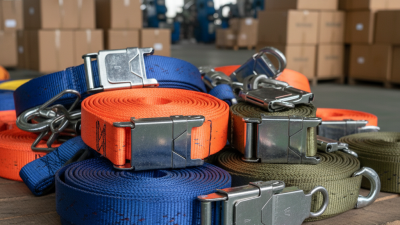
Choosing the best Curtainsider Cargo Straps for 2026 requires more than comparing prices or bright product labels. A reliable strap must secure pallets, machinery, and irregular loads without damaging the curtain system. It should also remain manageable during repeated loading, tightening, removal, and storage.

This guide examines practical details that matter in daily transport work. We consider webbing strength, stitching quality, ratchet performance, hook design, edge protection, and resistance to rain, dust, and temperature changes. Small features matter. A smooth handle can reduce hand strain during a long shift. Clearly marked capacity information can prevent rushed decisions beside a busy loading bay. Traceable testing records also provide stronger confidence than vague marketing claims.

Field experience shows that the strongest-looking strap is not always the most suitable choice. A heavy ratchet may offer excellent tension, yet become awkward on frequent short routes. Softer webbing may protect packaged goods better, but it can wear quickly against sharp pallet edges. That trade-off deserves attention. No product ranking stays perfect for every fleet, cargo type, or working climate. This guide therefore compares realistic strengths and limitations, rather than promising one universal winner.

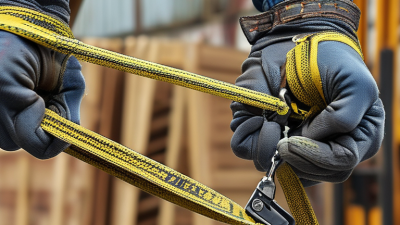
Readers will find guidance for checking straps before use, matching equipment with cargo demands, and recognizing early wear. Look for cuts, stretched stitching, bent hooks, damaged labels, and contaminated webbing. Replace questionable equipment. It is cheaper than a preventable failure. The final recommendations focus on dependable performance, clear specifications, and sensible long-term value for curtainsider operations in 2026.
Which 2026 Curtainsider Cargo Straps Are Best?

What Defines a High-Quality Curtainsider Cargo Strap in 2026

In 2026, a high-quality curtainsider cargo strap must do more than hold a load in place. It must work predictably through rain, heat, cold, and repeated loading. During daily inspections, experienced operators look for dense webbing, clean stitching, and a tensioning handle that feels firm, not gritty. Small details matter. A frayed edge near the buckle can worsen quickly when curtains move against it. Reliable straps also show clear working-load information and traceable batch details. That record supports safer replacement decisions, especially when several straps look similar.

Material choice defines much of the strap’s real performance. High-tenacity polyester resists stretching and moisture better than many cheaper alternatives. However, no fiber is magic. Chemical exposure, sharp corners, over-tensioning, and ultraviolet light can shorten its service life. A protective sleeve helps, but it cannot repair damaged webbing. In field use, I would rather trust a strap with smooth stitching and balanced tension than one with impressive-looking packaging. The buckle should close fully, release without sticking, and remain stable after vibration.

Good design also includes human factors. A strap should be easy to thread while wearing gloves, even beside a dark trailer at dawn. Its length should suit the curtainsider, avoiding loose loops that catch equipment. Digital inspection records may help teams track use, but a phone cannot replace a hands-on check. This is where quality claims need humility. Testing in a factory is not the same as months on the road. Inspect the strap before every use, remove questionable gear, and review failures honestly. Sometimes the overlooked strap is the weak point.

How to Match Strap Types With Different Curtainsider Loads

Which 2026 Curtainsider Cargo Straps Are Best?

The best 2026 curtainsider cargo strap is not universal. Match its restraint method to load mass, geometry, and surface friction. European Commission guidelines specify 0.8 g forward and 0.5 g sideways and rearward forces for road transport. These figures influence lashing capacity, tension, and edge protection. Curtains provide weather cover, not reliable load restraint. That distinction is easy to miss.

For boxed pallets, use rated ratchet webbing across stable rows, with anti-slip matting beneath heavy units. Add corner protectors where webbing touches cartons or sharp pallet edges. For steel coils, machinery, or dense timber, choose high-capacity lashings with verified LC and STF values under EN 12195-2. Use direct lashings when anchor geometry allows. They control movement more directly than simple top-over tensioning. Pipes need chocks or blocking as well. Straps alone may not stop rolling.

Long, flexible loads require more contact points and careful spacing. For mixed pallets, separate unstable layers before tightening. Do not treat the curtains as structural barriers. European cargo-securing guidance stresses inspection, friction, and blocking, not strap quantity alone. IRU’s 2024 road-transport reporting also shows continuing operational pressure, which can make rushed checks tempting. That is risky. A visual check cannot reveal hidden cuts, damaged stitching, or reduced friction. Inspect straps before loading, after the first kilometres, and after harsh braking. More straps can sometimes hide poor load planning. Better matching takes longer.

Which Materials and Features Improve Strap Strength and Safety

Which 2026 Curtainsider Cargo Straps Are Best?

For 2026 curtainsider operations, strap strength begins with the webbing material. High-tenacity polyester remains a practical choice because it resists stretching, moisture, and sunlight. Polypropylene may cost less, but it can lose performance faster under heat and ultraviolet exposure. I prefer tightly woven webbing with a clear width and thickness specification. More material is not always better. Poor weaving can create weak spots.

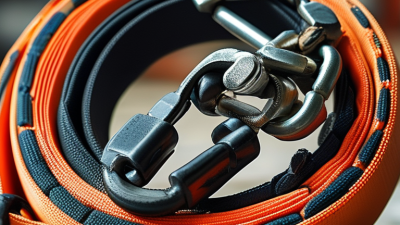
Look closely at the stitching. Multiple rows of reinforced stitching should secure the end loops and ratchet connections. Bar-tack patterns help distribute tension around stress points. A corrosion-resistant ratchet handle gives better control in wet loading areas. Hooks should fit anchor rails without twisting the strap. They should also resist accidental release. Small details matter.

Edge protection is essential when straps contact pallets, metal frames, or sharp packaging. Protective sleeves reduce abrasion, but they still need regular inspection. Check for cuts, melted fibers, faded sections, damaged stitching, or bent hardware before every trip. I have seen straps look acceptable from a distance, yet fail under close inspection. No strap is perfect. Load indicators can help, but they should not replace trained judgment. A reliable setup matches strap capacity with the cargo shape, weight, and restraint points. Strength alone is not safety.

Which 2026 Curtainsider Cargo Straps Are Best? — Which Materials and Features Improve Strap Strength and Safety
Strap Option Typical Material Common Width Typical Elongation Under Load Typical Load Capacity Range* Strength and Safety Advantages Limitations and Recommended Use Overall Suitability for Curtainsider Cargo
Heavy-duty polyester webbing with ratchet High-tenacity polyester 50 mm Usually low, commonly below 7% at rated load LC: approximately 1,000–2,500 daN, depending on the complete assembly Low stretch helps maintain tension; good resistance to moisture, abrasion and ultraviolet exposure; suitable for repeated road transport. Must be protected from sharp edges, cutting points, chemicals and excessive heat. The webbing, hooks, ratchet and stitching must be rated as one system. Best general-purpose choice for most curtainsider applications.
Polyester strap with reinforced edge stitching High-tenacity polyester with additional edge and end reinforcement 50 mm Low, generally similar to standard polyester webbing LC: approximately 1,500–2,500 daN when correctly manufactured and labelled Reinforced edges can improve resistance to fraying and localized wear. Useful where straps pass repeatedly through guides or over load restraints. Extra stitching does not make a damaged strap safe. Inspect for cuts, melted fibres, pulled stitching and distorted hardware. Preferred for high-frequency loading and demanding fleet use.
Polyester strap with corner protectors Polyester webbing plus polymer, rubber or textile edge protection 50 mm Low, typically below 7% at rated load LC: commonly 1,000–2,500 daN, subject to the label and assembly design Protectors spread contact pressure and reduce cutting, abrasion and load damage at corners and edges. Protectors must remain correctly positioned. They do not replace adequate load blocking or prevent strap damage caused by improper routing. Best where cargo has sharp, rigid or abrasive edges.
Nylon webbing strap Polyamide nylon 50 mm Higher stretch than polyester; commonly around 10% or more at rated load LC: varies widely; use only the marked assembly rating High initial tensile strength and good resistance to shock loading in some applications. Absorbs moisture, can lose strength when wet, and may create greater tension variation as it stretches. Higher elongation can allow cargo movement. Acceptable for selected applications, but generally less suitable than polyester for routine curtainsider restraint.
Polypropylene webbing strap Polypropylene 25–50 mm Moderate to high, depending on construction LC: often lower than comparable polyester assemblies Lightweight, low moisture absorption and good resistance to many chemicals. Usually lower abrasion, heat and ultraviolet resistance than polyester; may become brittle or degrade with prolonged outdoor exposure. Suitable for light-duty applications only when the marked capacity and operating conditions allow it.
Automatic retractable polyester strap Polyester webbing with spring-loaded retractor and ratchet or tensioning mechanism 50 mm Low, based on the webbing specification LC: commonly 500–1,500 daN, depending on the complete device Reduces loose strap ends, improves handling speed and can encourage consistent securing procedures. The retractor mechanism may have a lower capacity than heavy-duty manual ratchets. Confirm the rated lashing capacity before use. Useful for operational efficiency when the certified capacity matches the cargo requirement.
High-visibility polyester strap High-tenacity polyester with fluorescent or contrasting yarns 50 mm Low, generally comparable to standard polyester LC: approximately 1,000–2,500 daN, depending on the assembly Improves visual detection during inspections, night work and loading-area operations. Polyester retains low-stretch characteristics. Colour does not indicate strength. Capacity must be confirmed from the permanent label and certification documentation. Strong choice where inspection visibility and workplace safety are priorities.
Important selection note: Load capacity is determined by the complete restraint assembly, including webbing, stitching, ratchet, hooks, anchor points and the method of attachment. The abbreviation LC means lashing capacity and is commonly expressed in daN. Always follow the permanent product label, applicable cargo-securing regulations and the vehicle manufacturer’s instructions. Replace straps showing cuts, melted fibres, severe abrasion, chemical damage, stretched webbing, damaged stitching or deformed hardware.

How to Compare Load Capacity, Durability, and Ease of Use

Which 2026 Curtainsider Cargo Straps Are Best?

Choosing curtainsider cargo straps in 2026 requires more than checking a bright label. Working load limit matters most. Never compare breaking strength alone. A strap may look powerful but perform poorly when damaged or badly positioned. Match the strap rating to the cargo weight, restraint method, and vehicle requirements. Leave a sensible margin. Overconfidence causes expensive mistakes.

Durability appears in small details. Look for tightly woven webbing, reinforced stitching, corrosion-resistant fittings, and smooth ratchets. I inspect the first 30 centimetres near the hooks because this area often suffers abrasion. Sharp pallet edges can cut fibres quickly. Edge protectors help, but they cannot repair a worn strap. Check for fraying, heat marks, chemical stains, or distorted hardware before every trip. Replace questionable equipment.

Ease of use affects real safety during loading. A ratchet should open smoothly and lock without excessive force. The handle must remain accessible beside the curtain and cargo. Longer straps are not always better; loose webbing can snag or drag on wet ground. Feel the mechanism. A clear tensioning action reduces rushed adjustments. I have sometimes selected a stronger strap and regretted its stiffness during tight loading spaces. That experience changed my preference toward balanced capacity, flexible webbing, and simple inspection. Manufacturer specifications remain essential, yet hands-on checks reveal problems that a product sheet cannot show.

How to Select the Best Curtainsider Cargo Straps for Your Fleet

Choosing the best curtainsider cargo straps for a 2026 fleet starts with the load, not the catalogue. Measure typical cargo weight, pallet height, and tie-down points. A strap rated for one operation may be unsuitable for another.

Check the lashing capacity, webbing width, stitching, and end fittings. Wider webbing often spreads pressure across fragile packaging. Look for abrasion-resistant material where straps touch curtain rails or pallet edges. Ratchets should operate smoothly, even with gloved hands. They should not jam beside a loaded trailer. Small details matter.

Weather exposure changes performance. Select straps that tolerate rain, dust, temperature changes, and repeated tensioning. During fleet inspections, examine faded webbing, cut fibres, bent hooks, and damaged stitching. Remove questionable straps immediately. Do not rely on appearance alone. Some damage hides beneath dirt.

Keep a simple inspection record for each vehicle. Record replacement dates, common failure points, and driver feedback. That information helps fleet managers choose practical equipment instead of purchasing the cheapest option. Test new straps on regular routes before ordering large quantities. A strap can perform well in a warehouse and disappoint after weeks of vibration. That was an easy mistake to make. Training also matters. Drivers should know where to position straps, how tightly to tension them, and when a strap must be rejected. Verify product ratings against local transport requirements and the actual cargo arrangement.