10 Essential Tips for Using Pull Down Ratchet Straps Effectively?
Using Pull Down Ratchet Straps effectively can make a substantial difference when securing loads. These tools are essential for anyone who transports items regularly. Whether you are moving furniture, equipment, or cargo, the right techniques are vital. A small mistake can lead to damages or accidents.
Understanding the mechanics of Pull Down Ratchet Straps is key. Proper use not only ensures safety but also guarantees that your loads arrive undamaged. Misapplication can lead to frustration and wasted time. For instance, an improper tension can cause slippage during transit. Straps that are too loose can be just as problematic as those that are overly tight.
In this guide, we will explore ten essential tips for maximizing the effectiveness of Pull Down Ratchet Straps. Each tip is based on practical experiences and expert advice. Your understanding of these ways can enhance your skills and provide reliable outcomes. Let’s dive into the world of secure transportation.
Understanding Pull Down Ratchet Straps: Key Features and Benefits
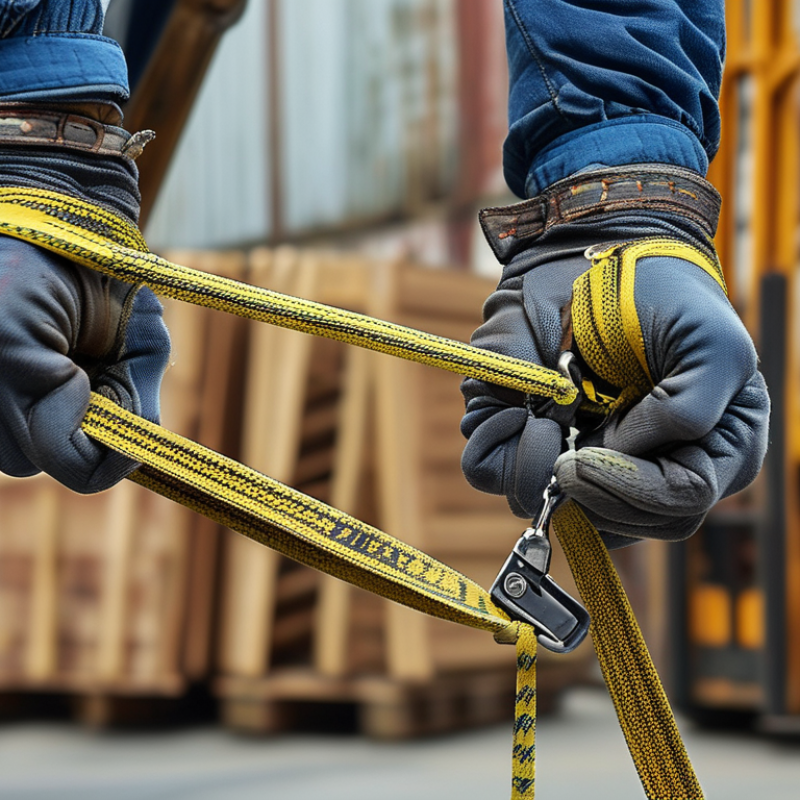
Pull down ratchet straps are essential for secure cargo management. Their key features include a ratcheting mechanism, durable materials, and adjustable lengths. These elements work together to ensure your load remains stable during transport. Understanding how to use these straps effectively can prevent accidents and enhance safety.
One significant tip for using pull down ratchet straps is to choose an appropriate weight rating. Each strap comes with a specific load limit. Exceeding this can lead to failures. Another important point is to ensure the strap is not twisted. Twisted straps can wear unevenly and may break. Inspecting straps regularly for wear and tear is crucial.
Always remember to secure loose ends. Leaving them dangling can pose safety hazards. Utilize tie-down points on your vehicle or trailer for optimal safety. If unsure about your technique, consult online tutorials or manuals for guidance. Misusing a ratchet strap can lead to costly mistakes. Be aware and take your time.
Usage Efficiency of Pull Down Ratchet Straps
Choosing the Right Size and Load Rating for Your Straps
Choosing the right size and load rating for pull-down ratchet straps is crucial for effective use. The incorrect size or load capacity can lead to unsafe situations. According to a report by the American Society of Mechanical Engineers, over 30% of transport accidents involve improper gearing or load securing techniques. This statistic underscores the need for careful selection.
When selecting straps, pay attention to the working load limit (WLL). This is the maximum load a strap can safely handle. For instance, a strap rated for 2,000 pounds should not be used for loads exceeding that capacity. Many consumers, however, often underestimate their load requirements. A study indicated that 25% of users do not consider their loads accurately. This can lead to strap failure and accidents.
Furthermore, the length of the strap is equally important. A strap that is too short can lead to improper securing, while one that is too long may allow for shifting during transport. Ensure to measure your cargo properly. While it might seem easier to use a one-size-fits-all approach, this can endanger both the load and the vehicle. Always double-check your selections to reflect the actual conditions needed for your securing tasks.
Proper Techniques for Securing Loads: Step-by-Step Guide
When using pull down ratchet straps, proper techniques make all the difference. Start by selecting the right strap for your load. Ensure it has a sufficient weight capacity for your cargo. Inspect the strap for any damage before use. Look for frays or breaks that could compromise safety. It's essential to use straps that are in good condition.
Next, position your load properly. Distribute the weight evenly. Avoid stacking heavy items on top of lighter ones. This prevents tipping and makes securing easier.
Now, loop the strap over the load. A snug fit helps maintain stability during transit. Pull the strap down using the ratchet mechanism. Ensure it is tight, but do not over-tighten. Over-tightening can lead to damaged goods.
After securing, double-check your work. Give the load a gentle shake to see if it shifts. If there’s movement, re-adjust the straps. It's possible that the initial setup wasn't as secure as needed. Always remember, securing loads is as much about safety as it is about efficiency. Regular practice with these techniques will enhance your skills over time.
Common Mistakes to Avoid When Using Ratchet Straps
Using pull down ratchet straps can be tricky if proper techniques are not followed. One common mistake is over-tightening the straps. This can lead to damage to cargo, and even cause serious accidents. According to data from the National Highway Traffic Safety Administration, improper load securing is a significant contributor to road accidents. Straps should be snug, but not excessively tight.
Another frequent error is neglecting to inspect the straps for wear and tear. A report by the Occupational Safety and Health Administration highlights that faulty equipment is a leading cause of workplace injuries. Check for frays or breaks before using. If the strap shows any signs of wear, it should be discarded immediately.
Furthermore, using incorrect tie-down methods is another issue. Many users overlook the importance of anchoring straps to stable points. Failing to do this can reduce the effectiveness of the load securement process. According to cargo securing guidelines, a well-secured load can prevent shifting, which is crucial during transport. Always ensure the anchor points are strong and suitable for the load being secured. Being aware of these mistakes can improve safety and efficiency in your loading and transporting processes.
Maintenance Tips to Ensure Longevity of Your Ratchet Straps
Maintaining your pull down ratchet straps is vital for ensuring their longevity and effectiveness. Regular inspection is key. Look for frayed edges or worn sections. Even small wear can lead to failure. Store your straps in a dry, cool place. Avoid exposing them to direct sunlight for prolonged periods. UV rays can weaken the material over time.
Also, clean your straps after use. Dirt and debris can cause abrasion and damage. Use mild soap and water to remove grime. After cleaning, allow them to dry completely before storing. Keeping them in a neat pile or hang them up prevents tangling. Tangled straps can wear out faster when pulled or twisted.
Consider checking the ratchet mechanism regularly, too. Ensure it moves smoothly and isn’t rusty. Lack of maintenance here can lead to malfunctions when you need them most. Even the best straps need care and attention. Being proactive about maintenance can save you money and increase safety.