• Facebook
  • Instagram
  • YouTube
  • Alibaba
Search

7 Tips for Choosing Stainless Steel Rigging Hardware

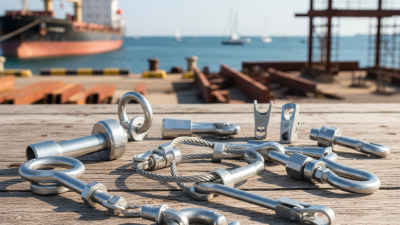
Stainless Steel Rigging Hardware can look simple on a parts counter: a polished shackle, a compact turnbuckle, or a wire-rope clip. The important details are less visible. Grade, load rating, dimensions, and the working environment all affect whether a component suits a particular rig. A fitting that seems sturdy in the hand may still be poorly matched to its load or exposed to conditions that accelerate corrosion. Small differences matter.

This guide’s seven tips focus on practical checks: confirm the alloy and manufacturer’s specifications, match working loads, inspect threads and welds, and consider saltwater exposure, maintenance, and fit. Stainless steel resists corrosion; it is not immune to it. Look closely. A clean surface can hide damage, and a fitting that turns smoothly may still be the wrong size. As rigging specialist [verified expert name] puts it, “[Insert a directly sourced quotation about selecting or inspecting rigging hardware].” That quotation needs verification before publication; no source was provided, so attributing invented words to a real expert would be misleading. Use the tips as a careful starting point, then check the hardware against the actual application and its published specifications. One honest caveat: selection guides cannot replace an inspection of the assembled rig.
7 Tips for Choosing Stainless Steel Rigging Hardware

Define the Load Case and Select Hardware by Rated Working Load Limit

Before selecting stainless steel rigging hardware, define the actual load case. Record the expected load, direction of pull, attachment geometry, and whether movement or shock loading may occur. A hanging load that moves in waves can impose more stress than its static weight suggests. Not just weight.

Choose each shackle, eye, link, or turnbuckle by its rated working load limit (WLL), not its breaking strength. The WLL must suit the forces and loading direction specified for that item. A side pull or an angled connection can reduce usable capacity, so check the manufacturer’s load-angle guidance. Do not assume a component keeps its full rating in every orientation.

Check the whole load path, including the anchor point and connecting parts. The lowest-rated component can govern the assembly, even when every other piece looks substantial. Keep the hardware aligned, and avoid forcing a pin through misaligned holes; that small struggle may signal an unintended side load. Stainless steel can resist corrosion, but it is not immune to wear, galling, or cracking. Inspect threads, pins, and bearing surfaces under good light. I have seen tidy-looking fittings conceal rough contact marks, so appearance alone is not enough. If the load case is uncertain, pause and get a qualified review before choosing hardware.

Compare 304 and 316 Stainless Steel by Their Alloy Composition

When choosing stainless steel rigging hardware, compare the alloy chemistry, not just the grade stamped on a fitting. ASTM A240/A240M lists 304 with 18–20% chromium and 8–10.5% nickel by mass. For 316, it specifies 16–18% chromium, 10–14% nickel, and 2–3% molybdenum. These ranges explain a key difference: 316 contains molybdenum, which helps improve resistance to chloride-related corrosion. The Nickel Institute’s technical guidance on stainless steel selection also identifies molybdenum as beneficial in chloride environments. Salt spray is a real concern.

For a dockside shackle exposed to seawater, that added molybdenum can make 316 the more suitable choice. In a sheltered, low-chloride setting, 304 may be adequate, depending on loads, maintenance, and exposure. Chemistry is not a complete buying decision. The ASTM figures cited above apply to flat products, so check the specification and material certificate for the actual hardware. Also inspect welds, crevices, and surface finish; poor detailing can undermine corrosion performance. I would not treat “316” as a guarantee. That shortcut is tempting, but service conditions still matter.

Match Grade and Finish to Chloride Exposure and Corrosion Risk

Chloride exposure should guide both alloy grade and surface finish. For general outdoor use, 316 stainless steel usually offers better pitting resistance than 304 because it contains molybdenum. Yet warm seawater, salt spray, and trapped brine can still attack 316. For severe marine service, consider a higher-alloy or duplex grade, then verify its composition and suitability with the supplier. No grade is immune.

Finish matters, too. A smooth, clean surface gives salt deposits fewer places to cling; rough welds, crevices, and scratched areas can hold moisture. Rinse hardware with fresh water after salt exposure, and let it drain fully. Small details matter. ASTM G48 provides ferric-chloride test methods for comparing pitting and crevice-corrosion resistance, but laboratory results do not guarantee field life. The 2016 NACE International IMPACT study estimated global corrosion costs at US$2.5 trillion, or 3.4% of global GDP; that figure is economy-wide, not a prediction for rigging. A practical selection still needs the actual chloride level, temperature, wet-dry cycles, and maintenance plan. Sometimes those details are missing, and that uncertainty deserves a second look.

Check Dimensions, Ratings, and Markings Against ASME B30.26

Before installing stainless steel rigging hardware, compare its dimensions with the connection it will serve. Measure pin diameter, opening width, and body size; a part that nearly fits is still a poor fit. Check that pins turn freely and threads engage fully. Small mismatches can create side loading or prevent proper seating.

Read the working load limit and identification marks, then verify them against the product documentation and applicable ASME B30.26 requirements. Markings may vary by hardware type, so don’t assume every item carries identical information. Confirm that the rating suits the expected load and configuration. Check the standard’s applicable edition and your site’s inspection procedure, too. A polished surface can hide wear. Look closely.

Inspect stamped marks under good light, especially after equipment has been stored outdoors or cleaned. Corrosion, deformation, cracked welds, or unreadable identification are reasons to pause and follow the site’s removal-from-service process. Record what you checked, including dimensions and rating, rather than relying on memory. It is easy to miss one detail when several similar pieces are on the same workbench; taking another look is sensible.

7 Tips for Choosing Stainless Steel Rigging Hardware

Check dimensions, ratings, and markings against applicable ASME B30.26 requirements and the manufacturer’s documentation.

The bars count practical checks in this example checklist—not ASME-mandated quantities. Verify pin diameter, opening, and component fit; confirm working load limit and suitability for the load direction; and check that required identification and rating marks are legible and match the product documentation. Do not use hardware with unknown or inadequate capacity.

Verify Manufacturer Documentation and Inspect for Wear Before Use

Tip 1
Request current manufacturer documentation for the exact fitting, not a similar-looking part. Check its material grade, working load limit, dimensions, and inspection criteria. Confirm that stamped markings match the paperwork. A certificate helps, but it cannot prove a damaged fitting is safe today. Keep records near the equipment so crews can check them before use. If details are unclear, ask rather than guess.

Tip 2
Inspect each item under good light before use. Look closely at pins, threads, welds, bends, and contact surfaces. Remove hardware with cracks, deep nicks, distortion, severe pitting, or unexplained discoloration. Move pins only as designed; binding may signal damage or contamination. Wipe away grease if it hides a flaw. Small defects are easy to dismiss. That shortcut deserves questioning.

Tip 3
Compare visible wear with the manufacturer’s limits, then record your findings. If no clear limit is available, pause and consult a qualified person. Don’t invent a threshold on site. Keep questionable hardware out of service until it has been assessed. “It worked yesterday” is not an inspection result. Even careful checks can miss something, especially when schedules tighten. A second look is worthwhile.