• Facebook
  • Instagram
  • YouTube
  • Alibaba
Search

7 Tips for Choosing the Best Composite Cord Strap

A pallet of bagged resin can look secure at the loading dock, then loosen after vibration, shifting weight, and a long sea voyage. That is why choosing a Composite Cord Strap is not merely a question of advertised breaking strength. The strap, buckle, joint, load shape, and application method all affect the result. Small details matter. A rough pallet edge can cut fibers; an uneven tensioner can leave one strap doing too little.

UNCTAD’s Review of Maritime Transport 2024 notes that more than 80% of world trade by volume is carried by sea. That scale makes dependable cargo preparation important, though the figure does not measure strap failures or prove that one strap type suits every load. This guide’s seven tips focus on practical checks: working load requirements, elongation, abrasion resistance, joint efficiency, buckle compatibility, operator handling, and supplier documentation. Packaging and logistics professionals often stress a simple principle: “Match the restraint to the load, not just the label.” I cannot verify that wording as a published quotation from a named Composite Cord Strap expert, so I will not attach it to an individual. That restraint matters. A fabricated attribution would weaken an otherwise useful guide.

The right choice should be supported by test data and a clear application plan. It should also account for real handling conditions, not ideal ones. Even experienced teams can miss a detail when schedules tighten. These tips offer a grounded starting point for comparing straps and asking suppliers better questions.

7 Tips for Choosing the Best Composite Cord Strap

Understand Composite Cord Straps and Their Applications

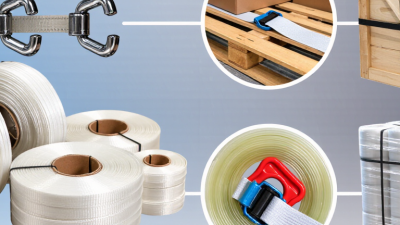
Composite cord straps are made from high-strength synthetic yarns held together by a protective coating. They secure cargo through tension and friction, usually with a compatible buckle and tensioning tool. Unlike rigid steel strapping, they bend around uneven shapes and are less likely to scratch a finished surface. They can also be easier to handle. Useful for awkward loads.

Common applications include palletized cartons, lumber bundles, pipes, and machinery parts prepared for transport. A strap around a pallet helps keep boxes aligned during handling, while edge protectors can reduce abrasion where the strap crosses a sharp corner. For long or irregular items, several straps may be needed to control shifting. The right arrangement depends on the load, not just the strap’s rated strength.

When choosing a strap, check its working load limit, width, buckle compatibility, and expected exposure to moisture or rough surfaces. Match the equipment to the strap; a mismatched buckle can compromise the connection. Keep straps clear of sharp edges, and inspect them for cuts, fraying, or coating damage before use. A common oversight is judging security by appearance alone. A neat wrap can still leave a load able to slide, so consider how it may move during lifting and transport. I would verify the full setup rather than assume one tight strap is enough.

Define the Load, Package, and Transport Requirements

Define the Load, Package, and Transport Requirements

Before choosing a composite cord strap, write down the load’s actual weight and dimensions. Include the pallet, packaging, and any accessories in the total. Measure it first. Note whether the goods are rigid, compressible, or likely to shift when handled. A tall carton stack may need different restraint from a compact, dense crate, even at the same weight.

Inspect the package where the strap will sit. Smooth cartons can tolerate different tension from sharp-edged timber or metal parts. Use suitable edge protection where straps could cut into packaging or damage the load. Check the strap’s rated strength and the strength of the complete securing system, including buckles and tensioning tools. Then consider the route: repeated vibration, transfers between vehicles, and changing weather can all affect a shipment. Guessing from weight alone is a common mistake.

Tip: Match strap width and strength to the load and package, not just the largest number on a specification sheet. Describe the transport route when checking product guidance. Leave room for the load to settle, but avoid slack that lets it move. If the package changes between batches, reassess the setup; I have seen a small change in carton shape make an old restraint pattern unreliable.

7 Tips for Choosing the Best Composite Cord Strap - Define the Load, Package, and Transport Requirements

Tip Requirement to Define What to Check Practical Guidance
1. Define the load Load weight, dimensions, stability, and how it may shift during handling or transit. Whether the strap system is suitable for the load and the intended securing method. Choose a system with a clearly stated working load limit (WLL). Do not treat breaking strength as the allowable working load, and follow applicable cargo-securement requirements.
2. Assess the package Package shape, surface, rigidity, and resistance to compression. Whether strap tension could crush cartons, deform products, or damage a soft or irregular package. Use suitable load spreading or protective materials where needed. Apply only enough tension to secure the package without causing damage.
3. Match the strap to the load Required strap width, length, and system strength. The ratings for the strap, buckle or fitting, and tensioning tool. Check the rating of the complete assembly; the capacity of the system is limited by its weakest component. Select a length that allows correct threading and tensioning.
4. Protect against sharp edges Contact points between the strap and the load. Sharp corners, rough surfaces, burrs, and edges that could abrade or cut the strap. Use compatible edge protectors or corner boards where required, and position the strap so it is not exposed to damaging edges.
5. Consider handling and storage conditions Exposure to moisture, dirt, chemicals, sunlight, and rough handling. The strap's specified environmental limits and any likely contamination or abrasion. Confirm suitability with the supplier's product information. Store straps clean and dry, away from damaging chemicals and sources of abrasion.
6. Account for the transport method Whether the load will travel by road, rail, sea, or air, and how it will be handled. Applicable securing rules, movement risks, and any requirements for the transport mode or destination. Choose a securing arrangement appropriate to the journey. Packaging straps used to bundle a load do not automatically replace vehicle or cargo tie-down equipment.
7. Plan application and inspection Who will install the straps, what tools are needed, and how the secured load will be checked. Correct threading and tensioning, buckle compatibility, visible damage, and the manufacturer's reuse guidance. Train users to follow the product instructions. Inspect straps and fittings before use, remove damaged components from service, and recheck the load when required during handling or transit.

Compare Strap Strength, Width, and Construction

Strength is the first comparison, but do not treat the largest breaking-force number as the whole answer. Check whether the test report gives breaking strength, elongation, and splice performance for the same strap width and construction you plan to buy. ASTM D3950-23 covers nonmetallic strapping and joining methods; ISO 21898:2004 specifies performance requirements for non-metallic strapping. These standards are useful reference points, but a test result only helps when its conditions match your load. Ask for the test method and batch details, too. Small details matter.

Width affects how force is distributed across a package, while construction determines how the strap behaves around corners and under tension. A wider strap may suit a broad, heavy bundle, yet it is not automatically stronger; yarn count, bonding, and coating also matter. For a pallet with sharp edges, check whether the strap stays seated or gets cut when tightened. Then compare the measured strength with the load’s weight, shape, and handling conditions, rather than guessing from appearance. I would still inspect a sample by hand. That check is imperfect, but it can reveal loose yarns, uneven coating, or a strap that feels too stiff for the job.

Check Compatibility with Buckles, Tensioners, and Handling Methods

Before selecting composite cord strap, match its width and thickness to the buckle opening and tensioner channel. A strap that bunches in the buckle may slip; one that is too wide can fray at the edges. ASTM D3950 covers nonmetallic strapping properties and joining methods, but it does not guarantee that every buckle-and-strap combination will perform well. Check the specified strap range, then test the actual combination. Small mismatch, big trouble.

Consider how operators will tension and release the strap. Manual tools, pneumatic tensioners, and hand-held cutters create different handling demands. Verify the tool’s working range against the strap supplier’s guidance, and check that the buckle grips without cutting the cords. This check is easy to rush. Dust, sharp pallet corners, and awkward reach can change how a strap behaves on the floor.

Keep transport securement figures in context. The FMCSA’s Cargo Securement guidance states that aggregate tiedown working load limits must be at least half the cargo’s weight; this applies to tiedowns, not automatically to packaging straps. Do not treat the figures as interchangeable. Run a trial on a representative load, inspect buckle seating and strap wear, and ask operators to repeat the method. A neat sample on a clean bench may not reflect a busy shift.

Assess Quality Standards, Supplier Support, and Overall Value

When choosing a composite cord strap, look beyond its stated breaking strength. Check whether test results and technical data match the load and package shape you handle. Ask how the strap performs around sharp corners, in damp storage, or during long-distance transit. Small details matter. A neat datasheet is useful, but it cannot answer every question about your actual packing line.

Tips: Request test documentation and clear instructions for tensioning and sealing. Confirm that strap width and strength suit your load. Try a sample on a typical shipment before ordering in bulk. Keep the results.

Supplier support is part of the product’s value. A helpful supplier should explain application limits, recommend compatible tools, and respond clearly when a strap slips or frays. Ask about stock consistency and lead times, too. A low unit price can look attractive, yet inconsistent supply may cause delays or extra rework. Compare total cost, including tool needs, damaged loads, and staff time. This comparison is imperfect; real handling conditions can change the result. Review it after a trial, and adjust your choice when the evidence points elsewhere.

7 Tips for Choosing the Best Composite Cord Strap

Use these suggested weights to compare options: prioritize quality standards and strap performance, while also considering supplier support, product consistency, compatibility, documentation, and total value. The percentages are a practical evaluation framework, not industry survey results; adjust them to suit your application.