Choosing reliable restraint hardware can feel simple until a buckle slips, a strap frays, or delivery dates change. This guide introduces seven leading Over Center Buckle Strap suppliers serving international buyers. It focuses on practical evidence, not attractive catalog photographs alone. Material quality matters. So does consistency.
The evaluation considers webbing composition, buckle strength, corrosion resistance, stitching patterns, and production controls. It also reviews load ratings, customization options, minimum order quantities, sample policies, and global shipping experience. Buyers may need polyester webbing for outdoor exposure, reinforced stitching for repeated tension, or compact buckles for narrow mounting points. A supplier’s technical sheet should explain these details clearly. Independent testing, traceable batch records, and responsive communication add confidence during procurement.
No supplier fits every application. That is important. A manufacturer with excellent prices may offer limited customization. Another may provide strong engineering support but require larger orders. Published performance claims still deserve verification through samples and controlled testing. This article therefore compares supplier strengths, weaknesses, product ranges, and service reliability. It also considers how each company handles quality questions after delivery, when real experience often becomes visible. Rankings can change as factories upgrade equipment, markets shift, or support teams change. Use this overview as a researched starting point, then confirm current certifications, specifications, lead times, and warranty terms directly with each supplier.
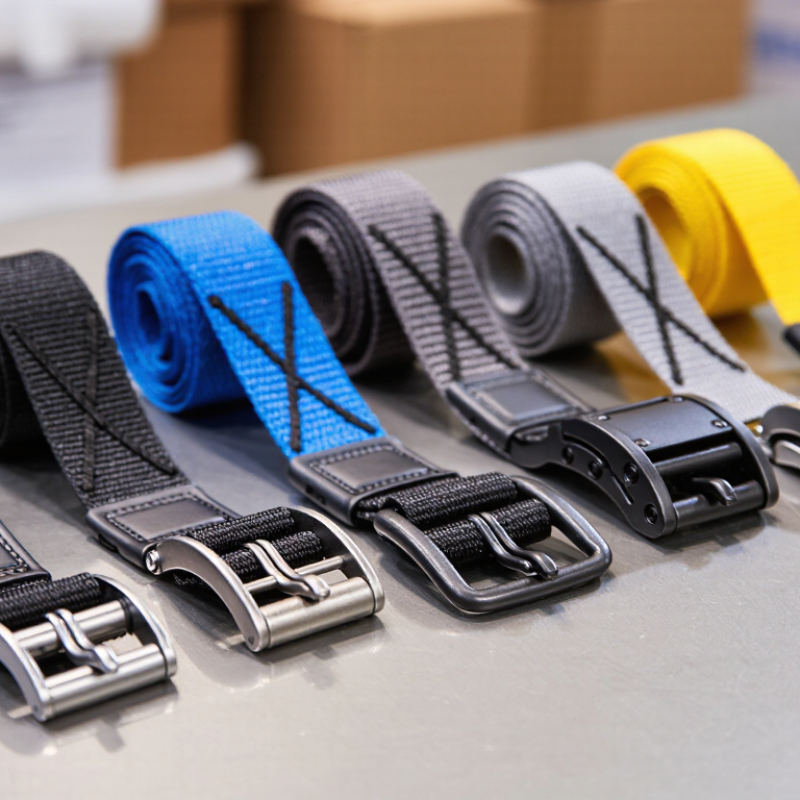
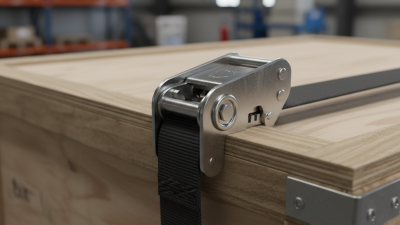
Over center buckle straps use a hinged lever to create strong, controlled tension. The webbing passes through a buckle frame, then folds over the center point. Closing the lever pulls the strap tight. The lever’s geometry helps hold tension under vibration and movement.
They are common in vehicle cargo restraint, outdoor equipment, furniture, and industrial packaging. A 2024 report from Grand View Research estimated the global strapping materials market at over USD 5 billion, showing steady demand for reliable load-control products. However, market growth does not guarantee safe performance. A strap can look sturdy while hiding weak stitching, damaged fibers, or poor buckle alignment.
Worldwide suppliers should provide rated capacity, webbing width, material details, and independent test records. EN 12195-2 guidance evaluates lashing equipment through working load limits, elongation, and testing requirements. Buyers should check these figures, not rely on appearance. A practical inspection includes pulling the strap by hand, opening the lever, and checking whether it closes firmly. It should not slip.
Small details matter. Salt air can corrode untreated hardware. Sharp edges can cut polyester webbing quickly. I have seen users overestimate buckle strength because the metal felt heavy. That assumption is risky. Supplier reliability depends on traceable batches, consistent stitching, clear instructions, and responsive technical support. Some product descriptions remain vague, so independent verification is still necessary.
When comparing over center buckle strap suppliers worldwide, examine more than price and product photos. Reliable suppliers should explain webbing composition, buckle material, working load limits, and stitching methods. Polypropylene may suit light-duty applications, while polyester often offers better resistance to stretching and sunlight. Ask for measured test data, not vague claims. A supplier with documented inspections and batch traceability shows stronger technical control.
Buckle performance deserves hands-on attention. The buckle should close firmly, release smoothly, and remain stable under repeated tension. Check edge finishing, hole spacing, strap width, and adjustment range. These details affect installation speed and user confidence. Sampling several batches is wise because one excellent sample can hide uneven production. That is an uncomfortable, but important, possibility.
Tips: Request samples in your actual length and width. Compare sewing density, buckle alignment, coating quality, and odor. Confirm packaging protects straps from moisture during long-distance shipping. Review production capacity, lead times, replacement policies, and communication response times. A capable supplier should answer technical questions clearly and provide realistic timelines. Custom colors or printed markings may be useful, but they should not distract from strength and consistency. In my experience, suppliers that welcome independent testing are easier to evaluate, although cooperation alone does not prove quality.
Representative industry ranges for comparing over-center buckle strap specifications. Values are typical market benchmarks and should be verified against each supplier’s technical datasheet, test method, and certification.
Heavy-duty designs generally use wider webbing, higher webbing tensile strength, and stronger buckle assemblies. When evaluating suppliers, also compare corrosion resistance, stitching quality, traceability, minimum order quantity, customization capability, and compliance with applicable lashing or cargo-securement standards.
European precision hardware manufacturers often lead with corrosion-resistant steel buckles and consistent stamping quality. Their straps suit trailers, outdoor equipment, and industrial packaging. Ask for salt-spray results, webbing tensile data, and traceable batch records.
North American contract manufacturers usually offer custom lengths, sewn loops, and private-label packaging. East Asian OEM factories can provide strong production capacity and competitive pricing. However, sample approval should come before a large order. Indian textile integrators often combine woven polyester, heat cutting, and buckle assembly under one roof. Turkish webbing producers are valued for flexible color matching and medium-volume orders. Japanese precision suppliers focus on clean finishing, tight tolerances, and careful inspection. Australian safety-equipment distributors can be useful for regional stock, technical advice, and replacement parts.
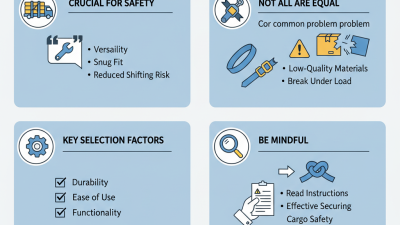
The best choice depends on load requirements, climate, and delivery expectations. A reliable supplier should explain working load limits clearly. Do not confuse breaking strength with safe working capacity. That mistake is common. Request inspection reports, material declarations, and a written quality procedure. I would also test buckles with gloves in cold conditions, because laboratory results may not reflect field handling. Some suppliers communicate quickly but provide vague evidence. That deserves caution. A practical audit should examine stitching density, buckle alignment, strap abrasion, and packaging protection. Small defects matter. Feedback from installers can reveal problems that paperwork misses.
Choosing among seven over center buckle strap suppliers requires more than comparing prices. Inspect the strap material, buckle alloy, stitching pattern, and edge finishing. Polyester usually offers strong abrasion resistance and stable color. Nylon can provide flexibility, but it may stretch under repeated loads. Zinc alloy buckles resist corrosion when properly finished. Ask for material certificates and batch traceability.
Standards should match the strap’s real application. Request test reports for tensile strength, buckle release, abrasion, temperature, and corrosion resistance. Confirm whether testing followed recognized standards, not only internal procedures.
A reliable supplier explains test conditions clearly, including load duration and failure points. Customization may include length, webbing width, buckle coating, logo placement, and packaging. Check whether changes affect lead time or minimum order quantities.
I have learned that attractive samples can hide weak stitching. Small details matter.
Tips:
Pull-test production samples, not just prototypes. Compare three batches when possible. Ask for inspection photos and a written quality plan. Keep approved samples for future reference. Also, challenge unclear claims politely. No checklist is perfect. A supplier that welcomes technical questions often provides better long-term support, although communication quality should be verified through actual orders.
Choosing among the seven best over center buckle strap suppliers worldwide depends on your industry, not popularity. A marine equipment maker needs saltwater resistance, while a warehouse integrator may prioritize cycle life and fast installation. Automotive applications often require tighter dimensional control, traceable materials, and repeatable locking force.
Grand View Research’s 2024 industrial fasteners analysis projects a 4.6% compound annual growth rate through 2030. That growth reflects stronger demand for dependable fastening systems across transport, logistics, construction, and industrial equipment. However, buckle straps are not interchangeable. Polypropylene suits lightweight indoor loads, while polyester usually offers better abrasion resistance and lower stretch. For outdoor or humid environments, coated hardware can reduce corrosion risk.
Ask each supplier for load-test results, salt-spray data, batch traceability, and production tolerances. ISO 9001 certification can support process consistency, but it does not prove that a strap fits your actual application. Test samples on your own frame, at your working angle, and under repeated tension.
Do not trust a polished catalog alone.
A useful supplier should explain failure modes, not only selling points. For example, a buckle may hold its rated load in a straight pull but slip when the strap enters sideways. That detail matters. I would also compare minimum order quantities, replacement availability, and technical response time. The cheapest quotation can become expensive after one poorly matched component.
| Anonymous Supplier Profile | Typical Regional Coverage | Primary Capability | Common Strap Widths | Typical Materials | Best-Fit Applications | Customization Potential | Recommended Verification Documents | Indicative Procurement Profile |
|---|---|---|---|---|---|---|---|---|
| Profile 1 — Industrial Load Securement | Europe and neighboring export markets | Heavy-duty over-center buckles for reusable tie-down assemblies | 25–50 mm | Polyester webbing; zinc-plated or stainless steel hardware | Cargo restraint, machinery transport, industrial packaging | High; webbing length, end fittings, buckle finish, labels, and packaging | Breaking-force test report, material declaration, traceability records, applicable EN 12195-2 evidence where relevant | Medium-to-large orders; engineering review usually available |
| Profile 2 — Automotive Interior and Exterior | East Asia and global automotive supply chains | Compact buckles designed for repeated operation and controlled appearance | 20–38 mm | Polyester or nylon webbing; coated steel or stainless steel components | Vehicle accessories, spare-wheel covers, roof-storage systems, seat-related assemblies | High; color matching, stitching pattern, corrosion finish, and assembly options | Salt-spray results, cycle testing, dimensional inspection, restricted-substance documentation | Suitable for repeat programs requiring consistent dimensions and appearance |
| Profile 3 — Outdoor and Recreational Equipment | North America, Europe, and outdoor-product export markets | Lightweight buckles for weather-exposed consumer products | 20–38 mm | UV-resistant polyester or nylon; aluminum, stainless steel, or coated steel | Camping gear, luggage, roof bags, awnings, sporting equipment | Medium-to-high; color, length, pull tabs, stitching, and retail packaging | UV-resistance information, abrasion testing, corrosion testing, webbing strength data | Good fit for small-to-medium product launches and seasonal replenishment |
| Profile 4 — Marine and Corrosion-Resistant Hardware | Coastal manufacturing regions and marine-equipment markets | Over-center assemblies optimized for moisture and salt exposure | 25–50 mm | Marine-grade stainless steel; polyester webbing preferred for low moisture absorption | Boat covers, marine storage, dock equipment, water-sports products | Medium; hardware grade, strap length, stitching, and protective packaging | Salt-spray testing, stainless-steel grade confirmation, corrosion warranty terms | Higher material cost; selected when service life is more important than lowest price |
| Profile 5 — Medical and Mobility Equipment | North America, Europe, and regulated healthcare supply chains | Controlled-force straps with smooth edges and repeatable adjustment | 25–50 mm | Soft-finish polyester or nylon; corrosion-resistant steel hardware | Wheelchairs, patient-support equipment, rehabilitation devices, transport restraints | High; edge binding, padding, pull handles, color coding, and clean packaging | Biocompatibility or skin-contact assessment where applicable, cleaning compatibility, cycle testing, lot traceability | Longer qualification process; documentation and consistency are key purchasing factors |
| Profile 6 — Furniture and Consumer Products | Asia-Pacific, Europe, and private-label manufacturing markets | Cost-efficient buckle straps for moderate-load applications | 20–38 mm | Polyester or polypropylene webbing; plated steel or standard stainless steel | Furniture covers, storage products, pet equipment, household organizers | High; colors, printed labels, packaging, stitching, and private-label assembly | Webbing tensile-strength report, visual inspection standard, coating and finish specification | Competitive for high-volume orders with straightforward specifications |
| Profile 7 — Small-Batch and Rapid Prototyping | Worldwide suppliers serving engineering and prototype buyers | Flexible short-run production and sample development | 20–50 mm | Polyester, nylon, or polypropylene; plated steel or stainless steel | Product development, testing fixtures, custom bags, specialist equipment | Very high; rapid changes to dimensions, stitching, hardware, and packaging | Prototype inspection report, sample approval record, tensile testing, dimensional control plan | Best for low minimum order quantities and iterative design; unit pricing may be higher |