Choosing the right Tirfor Cable Puller in 2026 requires more than comparing pulling capacity and price. Worksites are becoming more safety-conscious, yet equipment decisions still rely on vague labels and rushed purchasing. The International Labour Organization reported nearly three million work-related deaths annually, with many linked to unsafe working conditions. That figure should change how we evaluate every lever, cable, anchor, and operator position.
A practical selection begins with the real load, not the advertised maximum. Check the working load limit, rope diameter, pulling distance, line speed, and expected incline. Grand View Research’s industrial wire rope analysis highlights continuing demand for durable lifting and pulling equipment across construction, utilities, forestry, and maintenance. However, market growth does not guarantee product quality. Look for traceable test records, clear instructions, compatible wire rope, and replacement parts. A strong housing means little if the rope slips under tension.
Field experience also exposes details that brochures often miss. A muddy cable may feed poorly. A narrow access point may restrict handle movement. A tired operator may apply uneven force. Small issues become serious quickly. OSHA guidance emphasizes inspecting wire rope and rigging components before use and removing damaged equipment from service. Relevant standards, including ASME B30.21 and applicable European requirements, can support a more reliable purchasing decision.
Do not choose by capacity alone. Confirm the anchor point, direction of pull, environmental conditions, inspection routine, and operator training. A larger rating is not automatically safer. That assumption deserves challenge. The best Tirfor Cable Puller is the one that matches the actual task, documented limits, and human conditions on site. Planning may feel slower, but it prevents expensive mistakes and avoidable downtime.
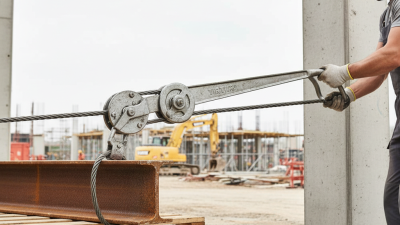
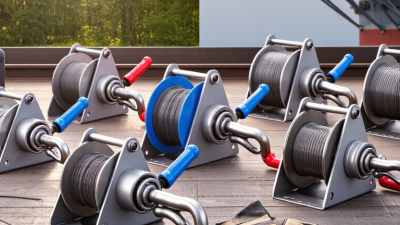
A Tirfor cable puller is a portable, hand-operated tool for moving heavy loads with controlled force. It uses a flexible steel wire rope instead of a fixed drum. The operator anchors the puller to a stable point, then passes the rope through its internal gripping mechanism. Compact and practical.
Inside the housing, two sets of jaws grip the rope alternately. Moving the operating lever makes the jaws advance the rope through the tool. Each stroke creates steady pulling movement, even when electrical power is unavailable. A separate release control loosens the jaws, allowing the rope to be positioned or removed.
The operator must keep hands away from the rope entry and exit points.
In field work, I check the rope for crushed strands, corrosion, kinks, or flattened sections before loading the puller. I also confirm the rated capacity, pulling direction, anchor strength, and sling condition.
A puller should never move people, and its capacity should not be treated as unlimited. My early assumption was that a longer lever always made the task safer. It can increase force, but it may also overload the mechanism or anchor point. That detail deserves more respect.
Choose a model with enough capacity for the real load, not only its average weight, because friction, slopes, and sudden resistance can change the required force.
2026 How to Choose the Right Tirfor Cable Puller
How to Calculate the Required Pulling Capacity
Calculate the line pull before selecting a Tirfor cable puller. Start with the load weight, then add rolling resistance, slope resistance, and friction. For a 1,200 kg machine on firm ground, a 5% rolling resistance factor adds about 60 kg. A 10% incline adds roughly 120 kg. The estimated pull becomes 180 kg before safety allowances. A 1.5 safety factor raises the working requirement to 270 kg. This is only a planning example, not a replacement for site testing.
Use the puller’s rated working load, not its breaking strength. ASME B30.21 requires clear rated-load information and inspection practices for manually powered hoists. OSHA 29 CFR 1910.184 also requires employers to remove damaged lifting equipment from service. Cable condition matters. Flattened strands, crushed sections, corrosion, or a bent hook can reduce real capacity sharply. Keep the cable aligned with the load. Side loading may create unexpected forces and unstable movement. I have seen calculations fail because operators ignored mud, seized wheels, or a buried load.
Tips: Measure the actual slope with an inclinometer. Check the cable path for sharp edges. Add a qualified margin when resistance is uncertain. Never treat a calculated number as permission to exceed the rated capacity. Recheck the setup after the first metre of movement, because resistance often changes suddenly.
Cable diameter must match the puller’s approved specification, not personal preference. A thicker cable is not automatically safer. The Wire Rope Technical Board’s Wire Rope User’s Manual explains that rope strength depends on diameter, construction, grade, and core design. Theoretical metallic area rises with diameter squared. Therefore, a 10 mm cable has about 56% more cross-sectional area than an 8 mm cable, before construction differences are considered. Still, it may not fit the jaws, guides, or anchor openings. Check the equipment plate and technical manual carefully.
Choose length from the worksite, not from habit. Measure the complete route, including turns, clearance, and anchor distance. Add a practical reserve, but avoid excessive cable. A longer cable adds weight, drag, storage problems, and more exposure to abrasion. It can also leave unused cable near the puller, where poor winding or bending may occur. Shorter is not always better.
A common field mistake is choosing the maximum available length. It feels flexible, but handling becomes awkward. The European standard EN 13157 addresses safety requirements for hand-powered lifting equipment, while ISO 4309:2017 provides inspection guidance for wire ropes. Inspect for broken wires, crushed sections, corrosion, and diameter reduction. Replace damaged cable immediately. The correct choice is the longest practical length and the exact approved diameter, verified before every demanding pull.
2026 How to Choose the Right Tirfor Cable Puller
When evaluating a Tirfor cable puller, safety features deserve more attention than pulling capacity alone. Check the rated load, rope diameter, and operating direction against your actual task. The capacity must match the complete setup, not just the machine. That matters.
Look for a positive locking mechanism, a reliable overload protection system, and hooks with secure safety latches. The brake should hold the load when hand pressure stops. Test this function before entering a demanding work area. I have seen workers focus on speed and overlook damaged rope strands. That mistake can become serious quickly. Inspect the cable for kinks, crushed sections, corrosion, or flattened areas. Do not guess.
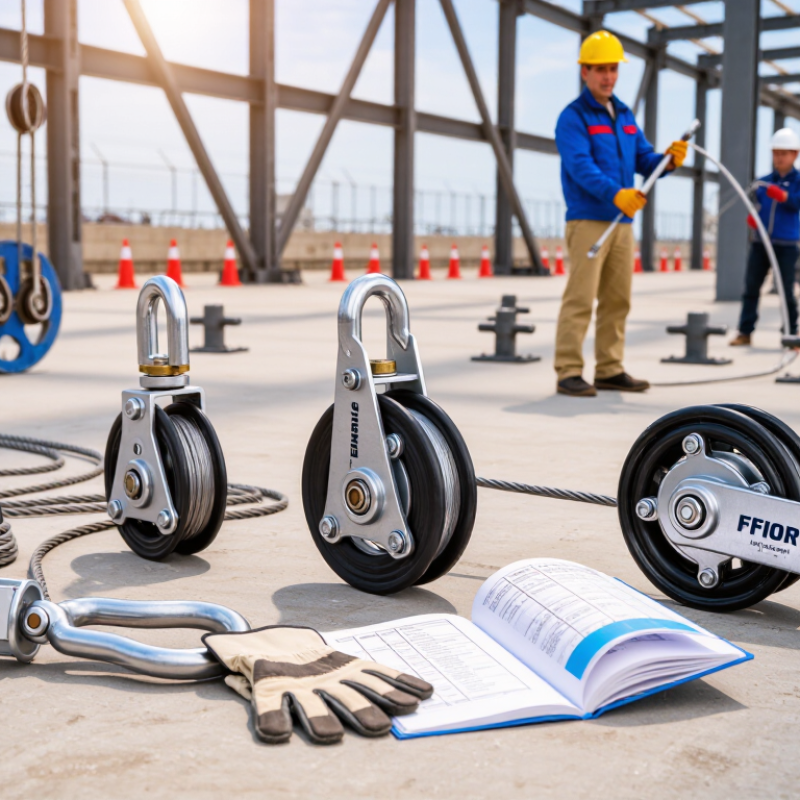
Useful accessories include rated shackles, lifting slings, anchor straps, snatch blocks, and protective cable sleeves. A snatch block can improve pulling direction and reduce awkward side loading. However, every accessory needs a compatible working load limit. Keep the cable aligned with the puller. Side loading can destabilize equipment and increase wear. Wear gloves and eye protection, while keeping hands away from the moving cable. Never stand inside the line of pull. A puller designed for dragging materials should not automatically be treated as a personnel-lifting device. Read the current manual and inspection guidance. I would also record pre-use checks, although many crews skip this step. That habit is worth reconsidering.
When choosing a Tirfor cable puller, portability should match the worksite, not just the catalog weight. A compact model is easier to carry across muddy ground, narrow platforms, or uneven floors. Check the puller’s weight, handle design, cable length, and carrying case. A longer cable may reduce repositioning, but it can also add bulk. For repeated lifting or pulling, test the grip and controls with gloves. Small handling problems become serious after several hours.
Maintenance affects reliability and working time. Inspect the wire rope for crushed sections, broken strands, or corrosion before each use. Clean the jaws and moving parts after dusty operations. Apply only the lubricant recommended by the manufacturer. Storing a wet cable is a common mistake. It quietly increases replacement costs. My first instinct was to choose the simplest mechanism, but easier access can matter more than fewer parts.
Total cost includes more than the purchase price. Compare compatible cables, anchors, storage equipment, inspections, training, and expected downtime. A lower-priced puller may require frequent adjustments or replacement parts. A heavier unit may last longer but increase transport effort and labor costs. Record service hours for several projects, even when the data looks imperfect. That record helps reveal whether portability, maintenance frequency, or initial price is truly driving expenses. Ask suppliers for load ratings, service guidance, and spare-part availability before making a decision.