Choosing a Tirfor Manual winch for international use requires more than comparing rated pulling capacity. Buyers must examine rope compatibility, operating range, anchoring options, handle effort, corrosion resistance, and replacement-part access. A compact winch may perform well on a forest track, yet feel unsuitable on a steel platform exposed to salt air. Small details matter.
Lifting-equipment consultant Martin Hargreaves explains, “A manual winch is only dependable when the anchor, wire rope, and operator are equally prepared.” This practical view shapes our selection of the Top 10 Tirfor Manual winches for global buyers. Each model deserves attention for real working conditions, not attractive catalogue claims. A longer rope can improve reach, but it may also increase handling difficulty. Higher capacity sounds reassuring, though excessive weight can slow field operations.
No ranking is perfect. Some buyers may value portability above pulling speed. Others may need stronger frames, easier servicing, or regional technical support. The best choice depends on the load, worksite, climate, transport distance, and operator experience. We will compare these factors with a careful, evidence-led approach. Product specifications still require verification before purchase. That is an imperfect step, but a necessary one. Reliable selection begins with honest limits, clear maintenance expectations, and safe operating practices.
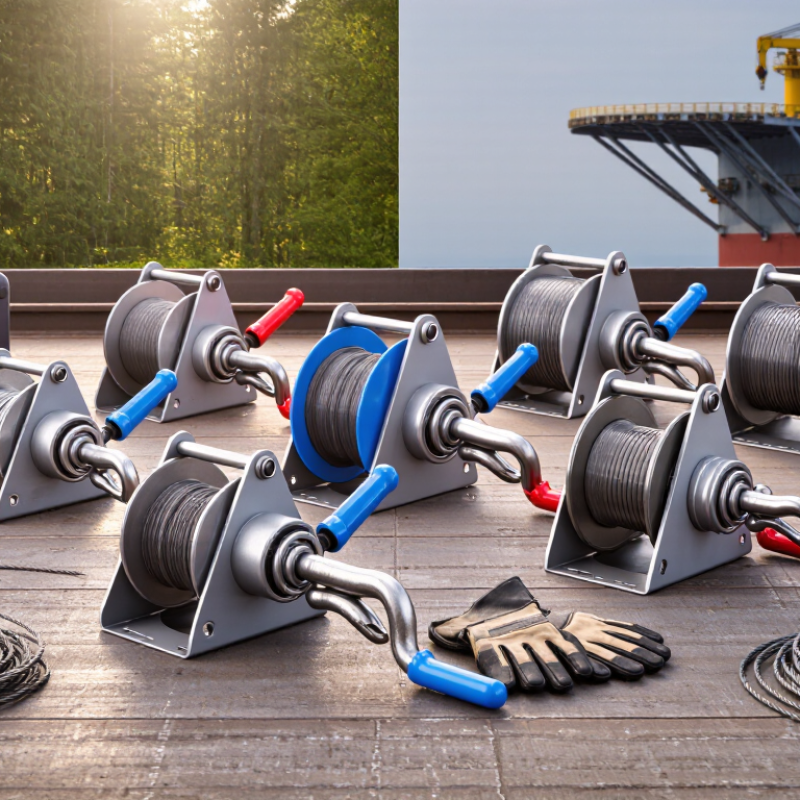
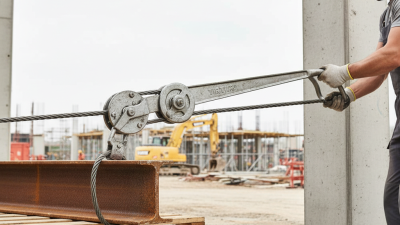
A Tirfor manual winch uses a portable steel body, two gripping jaws, and a wire rope. The lever moves the jaws through short mechanical strokes. This creates controlled pulling without electricity, fuel, or a fixed drum. Operators can pull, lift, tension, or position loads from different angles. The design is useful where power supplies are unreliable or access is restricted.
According to Grand View Research’s 2024 lifting equipment analysis, demand is rising across construction, infrastructure, logistics, and maintenance. Manual systems remain practical for occasional work because they require limited setup. Field users commonly apply them to tension structural cables, move machinery, recover vehicles, and position steel components. The working area still needs firm anchoring and a clearly marked load path. Small errors become serious under tension.
Operation depends on correct rope threading, steady lever strokes, and regular inspection. The wire rope should show no crushed sections, broken strands, severe corrosion, or deformation. The U.S. Bureau of Labor Statistics recorded 5,283 fatal work injuries in 2023, reinforcing the need for disciplined lifting controls. Buyers should compare rated capacity, rope length, operating force, certification, and spare-part access. A higher capacity is not automatically safer. Poor anchoring can defeat good equipment. That point is often underestimated.
Comparing the top ten manual cable winches requires more than reading rated pulling force. Check working load, rope diameter, lift distance, net weight, and handle effort together. A 1,600-kilogram rating may apply only to the first rope layer. Performance can fall as the rope winds or the load angle changes. Field checks matter.
Grand View Research estimated the global winch market at roughly US$2.4 billion in 2023, with continued growth expected through 2030. That estimate includes powered equipment, so it cannot represent manual models precisely. Still, it signals broader demand for controlled lifting and pulling equipment.
Compare each model against EN 13157 requirements, including braking, overload protection, and structural inspection points. Look for documented test loads, not marketing claims. A clear inspection interval also matters for international buyers.
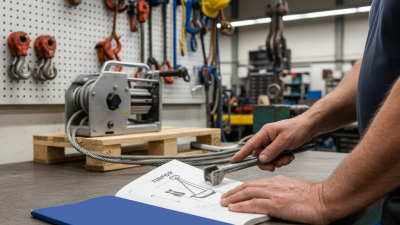
In practical trials, measure handle force with a calibrated spring scale. Record movement over ten metres, not just a short showroom pull. Examine the rope for flattened strands, corrosion, and uneven winding. Then compare spare-part availability, operating temperature limits, warranty terms, and language-neutral instructions. A lighter unit may reduce transport cost but require more strokes. A higher capacity model may be safer, yet awkward in confined spaces. My comparison would include those trade-offs, although field conditions can still defeat a neat ranking. Data helps. Judgment remains necessary.
Ranked by rated capacity, lifting control, and field performance, these ten manual cable winch configurations suit different global work sites.
Actual performance depends on rope length, anchor strength, operator technique, and inspection quality.
Grand View Research valued the global material-handling equipment market at about USD 216.6 billion in 2022. Its 2023–2030 forecast indicates continued growth, driven partly by safer and more efficient load movement. This supports demand for compact manual lifting equipment, but capacity alone can mislead. A high rating does not guarantee better field results. Brake response, handle effort, rope feeding, and corrosion resistance deserve equal attention. I would also question rankings based only on catalog numbers.
Tips: Check the working load limit, not the breaking strength. Verify the cable diameter and minimum anchor rating. Leave practical capacity below the rated maximum. Inspect hooks, pins, and rope before every lift. Use documented tests aligned with local workplace rules. Source: Grand View Research, Material Handling Equipment Market Report, 2023.
Top 10 Tirfor Manual Winches for Global Buyers?
A reliable manual winch begins with verified safety documentation, not appearance. Buyers should check compliance with ASME B30.21, EN 13157, and applicable national lifting rules. These standards address construction, testing, marking, and operating controls. Rated capacity is a limit, not a working target. Deduct rope angle, friction, shock loading, and uneven ground from the planned capacity. Never exceed the lowest marked rating. The International Labour Organization reported about 2.93 million work-related deaths and 395 million non-fatal injuries worldwide in 2023. That report covers all industries, not winches specifically. Still, the warning is relevant. Small shortcuts create serious exposure.
Before operation, inspect the wire rope for broken strands, crushing, corrosion, or kinks. Check hooks, safety latches, anchors, and the release mechanism. Wear gloves, eye protection, and safety footwear. Keep every person outside the rope line and suspended-load area. Attach the anchor to a verified structural point, then align the winch with the load. Pull the lever smoothly. Do not jerk it. Stop immediately if the rope slips, the frame twists, or unusual noise appears. Release tension only after securing the load independently. Some instructions remain unclear in real workplaces, especially after equipment changes. That gap matters. Record inspections, operator training, load weight, and any defect before selecting among the top ten models. Sources: ILO, A Call for Safer and Healthier Working Environments, 2023; ASME B30.21; EN 13157; ISO 4309.
| Rank | Typical Capacity Configuration | Rated Capacity for Direct Pulling | Typical Wire-Rope Diameter | Common Rope Length Options | Recommended Application | Key Load-Limit Rule | Relevant Safety References | Correct Operating Procedure | Stop-Use Conditions |
|---|---|---|---|---|---|---|---|---|---|
| 1 | Compact light-duty grip hoist | 0.8 t / 800 kg | Approximately 8–9 mm | 10 m, 20 m, 30 m | Light maintenance, positioning, forestry work, and small recovery tasks | Do not exceed the marked working load limit. Reduce the allowable load when using angled, unstable, or shock-loaded arrangements. | EN 13157 where applicable; ISO 4309 principles for wire-rope inspection; local lifting regulations | Inspect the rope and anchor; attach the correct rope size; align the hoist with the load; operate the lever smoothly; keep the rope tensioned and monitor movement. | Flattened, kinked, bird-caged, corroded, or broken-wire rope; damaged hooks; slipping jaws; distorted housing |
| 2 | Light-duty extended-reach configuration | 1.0 t / 1,000 kg | Approximately 9–10 mm | 20 m, 30 m, 40 m | Equipment alignment, gate and structure positioning, and moderate pulling operations | Rope length does not increase capacity. The weakest component, including the anchor, sling, shackle, or rope termination, controls the safe working load. | EN 13157 where applicable; ISO 4309 for rope condition and discard assessment | Set the anchor in line with the pull; remove slack before loading; use full, controlled lever strokes; keep personnel away from the loaded rope line. | Anchor movement, side loading, excessive lever force, uncontrolled load travel, or visible rope damage |
| 3 | Medium-duty general-purpose configuration | 1.6 t / 1,600 kg | Approximately 11–12 mm | 10 m, 20 m, 30 m | Industrial maintenance, vehicle recovery, pipe positioning, and construction alignment | Use only the specified rope diameter and construction. Never substitute a smaller rope or use a rope with an unapproved termination. | EN 13157 where applicable; ISO 4309; applicable national occupational-safety rules | Verify the rated load; inspect jaws and rope passage; secure the anchor; apply load gradually; stop and re-check if the rope slips or the load tilts. | Rope slip, damaged gripping mechanism, cracked hooks, missing safety latches, or an anchor that is not positively secured |
| 4 | Medium-duty long-rope configuration | 2.0 t / 2,000 kg | Approximately 12–13 mm | 20 m, 30 m, 40 m | Long-distance pulling, structural positioning, and controlled horizontal movement | Long rope runs increase handling and inspection demands but do not increase rated capacity. Prevent rope contact with sharp edges. | EN 13157 where applicable; ISO 4309; local rules for lifting and rigging equipment | Use edge protection; maintain a straight line; establish an exclusion zone; take up slack slowly; pause frequently to inspect rope tracking and load stability. | Rope abrasion, sharp-edge contact, excessive sag, uncontrolled recoil risk, or load movement outside the planned path |
| 5 | Heavy-duty industrial configuration | 3.2 t / 3,200 kg | Approximately 16–17 mm | 10 m, 20 m, 30 m | Heavy machinery positioning, industrial installation, and controlled recovery work | Do not use the equipment for lifting people. A lifting arrangement must include suitable rated anchors and compatible rigging hardware. | EN 13157 where applicable; ISO 4309; applicable national lifting-equipment legislation | Prepare a lift or pull plan; calculate the load and line direction; inspect all components; use a trained operator; move in short controlled increments. | Shock loading, suspended load drift, side loading, excessive handle force, or any component with an unreadable rating |
| 6 | Heavy-duty extended-reach configuration | 3.2 t / 3,200 kg | Approximately 16–17 mm | 30 m, 40 m, 50 m | Remote positioning, long-span pulling, and recovery operations requiring additional rope reach | Use only the rope length and rope construction approved for the hoist. Protect the rope from mud, heat, chemicals, and crushing. | EN 13157 where applicable; ISO 4309; manufacturer’s rope-care instructions | Lay out the rope without loops or crossed turns; keep the hoist aligned; use spotters where visibility is limited; inspect the full exposed rope after use. | Crossed rope, crushed sections, chemical attack, heat discoloration, poor visibility, or loss of communication between operators |
| 7 | High-capacity construction configuration | 4.0 t / 4,000 kg | Approximately 19–20 mm | 20 m, 30 m | Structural steel positioning, heavy equipment movement, and demanding industrial alignment | Check the complete load path. The permissible load may be limited by the anchor, connecting hardware, sling angle, rope condition, or ground stability. | EN 13157 where applicable; ISO 4309; site lifting plan and national requirements | Confirm ground and anchor capacity; barricade the work area; load-test the setup progressively; use only steady manual force and maintain clear communication. | Anchor deformation, ground settlement, unexpected load rotation, rope damage, or the need for extension bars or impact tools |
| 8 | High-capacity recovery configuration | 5.4 t / 5,400 kg | Approximately 21–22 mm | 20 m, 30 m | Heavy recovery, utility installation, and large machinery positioning | Use the rated capacity only for the approved direction and operating mode. Never multiply capacity by using multiple hoists unless the arrangement is engineered and synchronized. | EN 13157 where applicable; ISO 4309; applicable recovery and lifting procedures | Complete a documented risk assessment; use a verified anchor; establish a large exclusion zone; apply load gradually; monitor rope, anchor, and load continuously. | Any shock load, sudden rope movement, anchor instability, personnel inside the line of fire, or abnormal mechanism noise |
| 9 | High-capacity long-rope configuration | 5.4 t / 5,400 kg | Approximately 21–22 mm | 30 m, 40 m, 50 m | Long-distance heavy pulling where additional reach is essential | Longer rope increases stored elastic energy and inspection exposure. Keep people away from the rope, anchor, and potential recoil zones. | EN 13157 where applicable; ISO 4309; site-specific risk assessment and local law | Inspect the complete rope length; use suitable edge protection and guides; maintain radio or visual communication; stop frequently for condition checks. | Rope contact with corners, excessive rope deflection, loss of communication, poor weather visibility, or uncontrolled recoil potential |
| 10 | Specialist extra-capacity configuration | 6.0 t class or above | Typically 22 mm or larger | As specified by the manufacturer | Specialist heavy industrial pulling under an engineered method statement | Treat the published capacity as equipment-specific, not universal. Confirm certification, rope compatibility, anchor design, and local legal requirements before purchase or use. | EN 13157 or another applicable conformity framework; ISO 4309; national lifting regulations and site engineering approval | Use a competent lifting supervisor; prepare an engineered procedure; verify every component’s rating; conduct a pre-use briefing; operate only within the approved configuration. | Missing documentation, unclear rating, unverified anchor, improvised accessories, overload indication, or any deviation from the approved method |
For international buyers, certification should be checked before price. Request a declaration of conformity, factory test report, and traceable serial number. The relevant standard may differ by destination, so confirm requirements with a local compliance professional. A clear manual should show rated capacity, rope diameter, lifting angles, and inspection intervals. Do not trust a single logo on a product page.
Parts matter in remote locations. Confirm the availability of shear pins, hooks, gears, handles, and replacement wire rope. Ask whether parts share common dimensions across the ten models. A five-day delivery promise sounds useful, but it means little without stock evidence. Request a parts list with codes and photographs. Small components can stop an entire job.
Price needs a wider calculation. Include freight, import duties, taxes, inspection fees, spare parts, and possible training costs. Compare the landed cost, not only the factory quotation. Support should include technical drawings, multilingual instructions, warranty terms, and a real response time. Email support is not enough during a site failure. I have seen buyers choose the lowest bid, then pay more for urgent parts. That decision deserves a second look. Test records and clear communication often signal a more reliable supplier.