How to Use Ergo Ratchet Straps for Maximum Efficiency and Safety?
In the world of transportation and logistics, safety and efficiency are paramount. Ergo Ratchet Straps play a critical role in securing loads, helping prevent damage and accidents. According to a recent study by the National Institute for Occupational Safety and Health (NIOSH), improper load securing is responsible for over 25% of transportation-related injuries. This statistic highlights the need for proper usage of tools like Ergo Ratchet Straps.
Expert David Thompson, a leading authority in load management, emphasizes, "Understanding how to use Ergo Ratchet Straps correctly enhances safety and productivity." His insights remind us that even minor mistakes can lead to significant consequences. Many users overlook the importance of the strap's tensioning mechanism, which can directly affect load stability.
While some may find using these straps intuitive, there is always room for reflection. Are users fully aware of the potential pitfalls when securing loads? Misapplication can lead to equipment failure and safety issues. By focusing on mastering Ergo Ratchet Straps, individuals can minimize risks and ensure smoother operations in their logistics processes.

Choosing the Right Ergo Ratchet Straps for Your Needs
Choosing the right Ergo ratchet straps is crucial for any transportation or securing task. Consider the weight you need to manage. Straps come in various strengths. Make sure to pick a strap with the appropriate load capacity. Using a strap that is too weak can be dangerous.
Remember the length of the strap as well. A longer strap provides more flexibility. However, longer straps can also be cumbersome. If you often secure smaller loads, opt for shorter straps. This helps you achieve better control and efficiency.
Tips: Always inspect the strap for wear and tear. Check the ratchet mechanism for rust or damage. A damaged strap can compromise safety. It’s also wise to store the straps in a cool, dry place. This prevents premature wear and keeps them ready for use.
Understanding the Components of Ergo Ratchet Straps
Ergo ratchet straps are essential for securing loads efficiently and safely. Understanding their components can significantly enhance your hauling experience. These straps typically consist of a durable webbing, a ratchet mechanism, and hooks or end fittings. The webbing provides the strength, while the ratchet allows for easy tightening. The hooks ensure a secure connection to your cargo.
When using ergo ratchet straps, focus on checking the webbing for any signs of wear. Frayed edges are a red flag. Make sure the ratchet operates smoothly; a stuck ratchet can lead to unsafe conditions. It's vital to avoid over-tightening, as this could damage your cargo or the straps themselves.
Tips: Always store straps in a cool, dry place to prevent deterioration. Regularly inspect hooks for rust or damage. Remember, a well-cared strap lasts longer and performs better. If you notice any component isn't in top shape, replace it. Prioritize safety in your loading process.
How to Use Ergo Ratchet Straps for Maximum Efficiency and Safety? - Understanding the Components of Ergo Ratchet Straps
| Component |
Description |
Material |
Weight Limit |
Safety Features |
| Strap |
Secures the load to prevent movement |
Polyester |
5000 lbs |
UV resistant |
| Ratchet |
Tightens and secures the strap |
Steel |
N/A |
Locking mechanism |
| Hook |
Attaches the strap to a fixed point |
Zinc-plated steel |
N/A |
Safety latch |
| End Fittings |
Provides a durable connection point |
Automotive-grade metal |
N/A |
High tensile strength |
Step-by-Step Guide to Properly Securing Loads
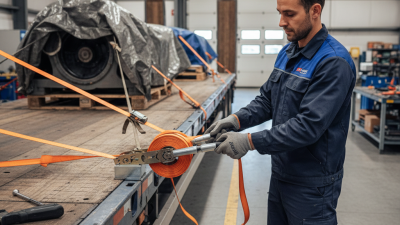
When using Ergo ratchet straps, securing your loads properly is crucial. Start by placing the load evenly on the transport surface. Ensure the load is stable and won't shift during transit. Pay attention to the type of items you are securing. Different loads may require different ratcheting techniques.
Tip: Always inspect your straps before use. Look for frays or damage. A small tear can lead to big problems. Also, adjust the length of the straps as needed. Straps that are too long can create slack, making them less effective.
When fastening the ratchet strap, remember to pull it tight, but not over-tighten. Over-tightening can damage the load or the strap itself. Utilize the ratchet lever correctly to avoid accidental release. Practice makes perfect; try different methods to see what works best for you.
Tip: Use additional tie-down points if available. This can provide extra stability. Always keep your work area clear. It helps to focus on the task. Reflect on your techniques for improvement.
Best Practices for Safe Usage of Ratchet Straps
Using Ergo ratchet straps efficiently requires a focus on safety and best practices. According to the U.S. Department of Transportation, approximately 25% of all cargo-related injuries occur due to improper strapping methods. That’s a staggering statistic that emphasizes the importance of proper usage.
Inspect your ratchet straps regularly. Look for wear and tear. Even small frays can lead to failures during transport. Load distribution is crucial. Place heavier items on the bottom to lower the center of gravity. Avoid overloading straps beyond their rated capacity. This can compromise safety. A common mistake is assuming all straps can handle the same weight.
When securing your load, always maintain tension. Loose straps can lead to movement and damage. Use the ratchet handle correctly. Ratchet it tight, but don’t overdo it. Excessive force can result in strap failure. Be mindful also of the weather. Wet conditions can affect grip. Consider using rubberized or coated straps for improved hold.
Maintaining and Inspecting Ergo Ratchet Straps for Longevity
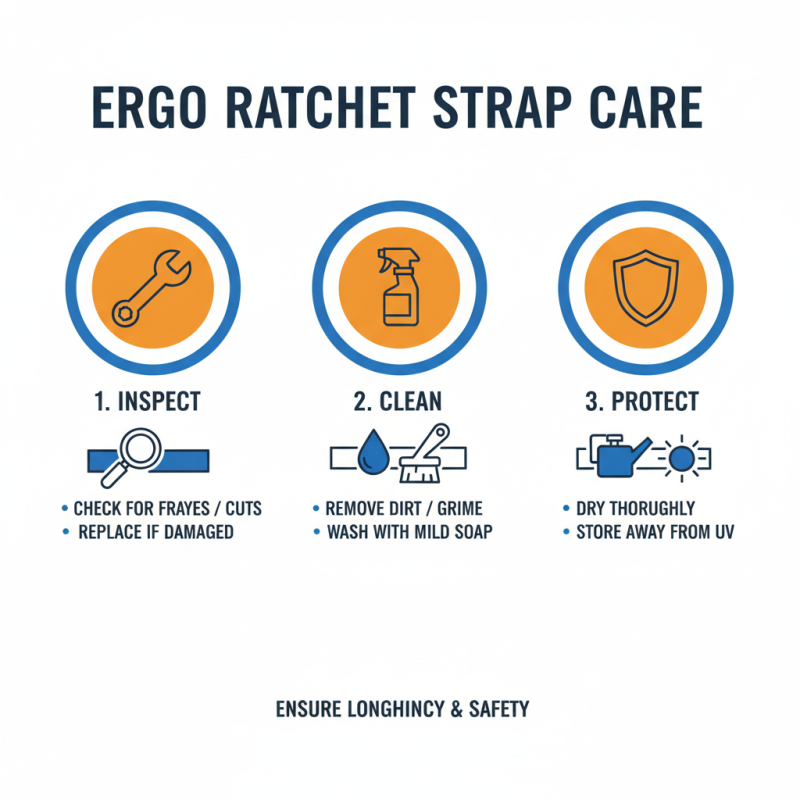
To ensure the longevity of Ergo ratchet straps, regular maintenance and inspection are crucial. Start by visually checking the straps for any signs of wear, such as frays or cuts. If you notice any damage, consider replacing them immediately. Regularly cleaning your straps can also prevent dirt and grime buildup, which can weaken the fibers over time.
Proper storage of your Ergo ratchet straps is another key factor. Keep them in a cool, dry place to avoid deterioration from moisture or sunlight. Consider rolling them up neatly instead of folding, which can create creases that may compromise their strength. Always double-check the buckles and ratchet mechanisms. They should operate smoothly and without resistance. If you feel any stiffness, lubrication may be necessary.
It’s easy to overlook minor details during inspection. However, even the smallest signs of wear can lead to safety issues. Take the time to observe your equipment closely. Ensure that you are not taking shortcuts with your inspection routine. An occasional oversight can lead to significant problems down the line.