Top Skidder Tire Chains for Enhanced Traction in Tough Conditions?
When operating in challenging terrains, enhancing traction is crucial. Skidder tire chains provide a practical solution. Designed specifically for skidders, these chains improve grip on slippery surfaces. They help maintain stability, preventing slippage during critical operations.
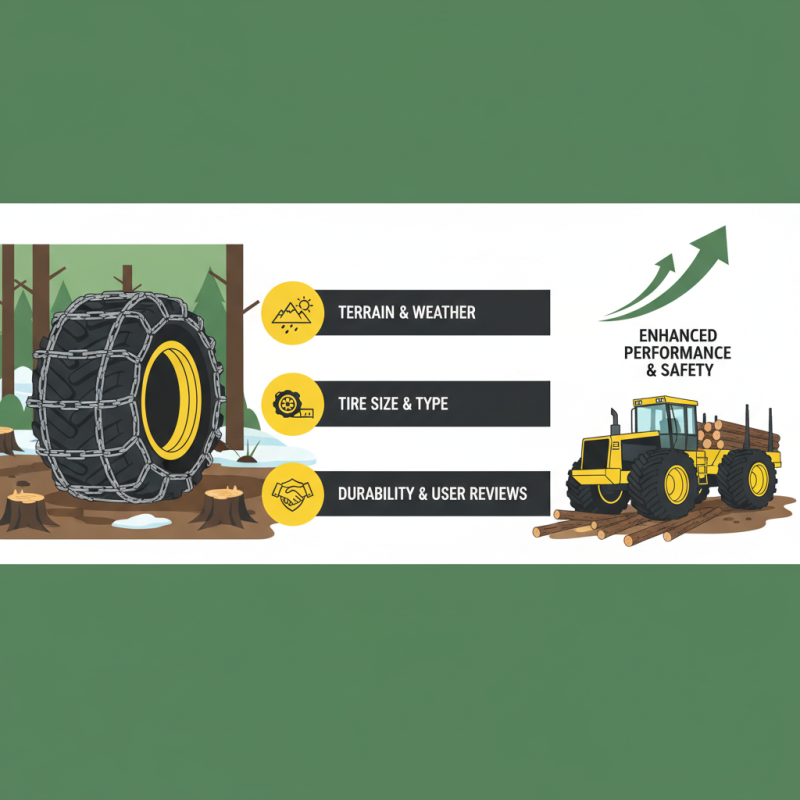
Selecting the right skidder tire chains involves understanding various factors. Terrain type, weather conditions, and tire sizes all play a role. High-quality chains can transform your skidder’s performance, but not all products are equally effective. It’s important to evaluate options based on real experiences from other users.
However, finding the perfect match can be tough. Some might find their chains wear out quickly or struggle in extreme conditions. Every choice carries some risk. Nevertheless, investing in quality skidder tire chains can yield substantial benefits, ensuring safety and efficiency when faced with tough conditions.
Overview of Skidder Tire Chains and Their Importance in Off-Road Conditions
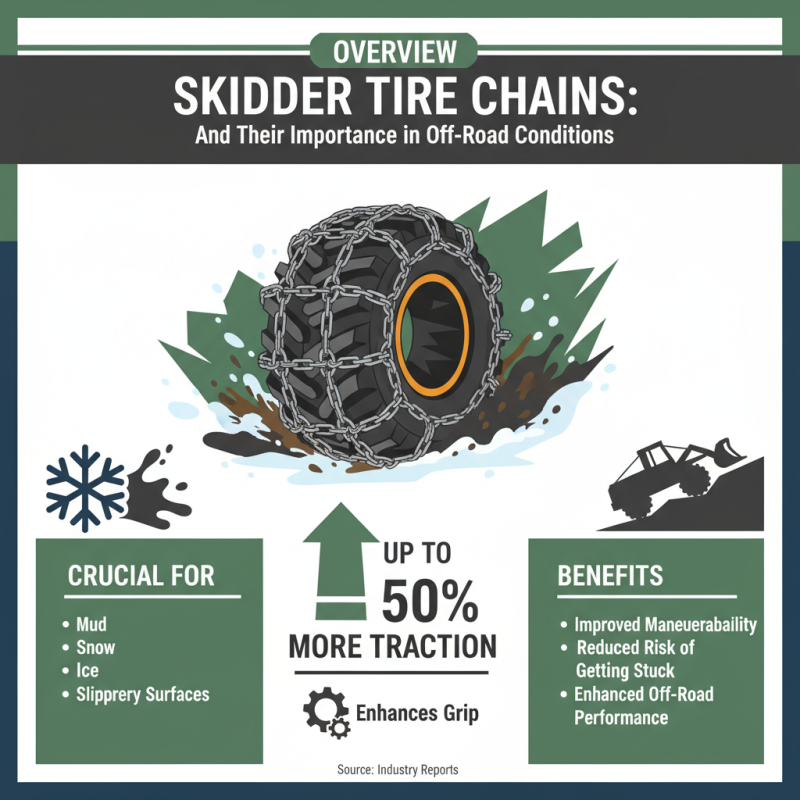
Skidder tire chains play a crucial role in enhancing traction for off-road vehicles. They provide additional grip on slippery surfaces, such as mud, snow, and ice. According to industry reports, the right tire chains can increase traction by up to 50%. This improvement helps operators maneuver through challenging terrains effectively, reducing the risk of getting stuck.
Selecting the appropriate skidder tire chains is vital. Evaluating chain materials and design can influence performance. Steel chains tend to provide superior durability on rough surfaces, while lighter options may be better for less demanding conditions. Proper installation is equally important. Incorrectly fitted chains may lead to tire damage or inadequate traction.
**Tips:** Always check your local weather conditions before venturing out. Know when to use chains. It's beneficial to practice installing chains at home, away from the field, to avoid frustration during actual use. Regular inspections of your tire chains will help maintain their effectiveness.
Key Features to Consider When Selecting Skidder Tire Chains
When selecting skidder tire chains, several key features should be considered to ensure optimal performance. First, the size of the chains must match the tire specifications accurately. This ensures a snug fit that provides the best traction. Chains that are too loose may slip off during operation, while those that are too tight may damage the tires.
Durability is another crucial factor. Opt for materials that can withstand harsh conditions. High-strength steel offers longevity but may increase weight. Weigh the benefits and drawbacks of each material type. Also, consider the design of the chains. Some designs offer more grip, while others may be easier to install and remove.
Lastly, check the usability of the chains in different terrains. Chains with aggressive patterns work well in mud and snow. However, they might wear out quicker on rocky surfaces. Finding the right balance is essential, as it can affect efficiency and safety during operations. Take time to assess each feature, as it can lead to better decisions in challenging environments.
Top Brands and Models of Skidder Tire Chains for Optimal Traction
When working in challenging terrains, skidder tire chains can significantly enhance traction. The right tire chains provide the grip necessary to navigate slippery surfaces like mud, snow, or uneven ground. Industry reports indicate that using high-quality tire chains can increase traction by up to 50%. This improvement is crucial in reducing slippage and enhancing productivity on the job site.
Several brands offer various models of skidder tire chains, designed for different conditions. Heavy-duty options are particularly effective in logging and forestry work. These models often feature reinforced link designs that withstand harsh environments. According to a recent market analysis, chains made from tempered steel exhibit better performance under extreme wear. Users often report that choosing a model suited to specific terrain can lead to a noticeable difference in maneuverability.
While selecting tire chains, reviewing customer feedback can provide insights into real-world performance. Some users may face challenges such as improper sizing, leading to ineffective operation. This highlights the importance of careful measurement and selection based on machine specifications. Research shows that up to 30% of users experience premature wear due to insufficient maintenance. Regular inspection and adjustments are key to maximizing the lifespan and effectiveness of tire chains.
Installation and Maintenance Tips for Skidder Tire Chains
Installing skidder tire chains can dramatically enhance traction in tough conditions. However, proper installation is crucial. Begin by ensuring you have the right size chains for your tires. The chains should fit snugly but not be overly tight. When placing the chains over the tire, ensure that the links are evenly distributed. This reduces wear and tear on the chains and tires.
Regular maintenance of your skidder tire chains is essential for longevity. After use, inspect the chains for any signs of damage, such as broken links or excessive wear. Clean the chains to remove dirt and debris, which can cause rust. If any parts are damaged, replace them immediately to prevent further issues. Remember, a neglected chain can lead to poor performance and safety hazards.
Improperly installed chains can cause serious problems. If they are too loose, they may slip and could even damage your tires. On the other hand, if they are too tight, they may lead to premature tire wear. It’s worth rechecking your installation periodically, especially after rough terrain. Even small adjustments can make a big difference in performance.
Top Skidder Tire Chains for Enhanced Traction in Tough Conditions
| Chain Type |
Material |
Size |
Weight |
Price Range |
Installation Tips |
| Cross Links |
Steel |
27 x 10-12 |
30 lbs |
$150 - $200 |
Ensure proper tension for optimal performance. |
| V-Bar |
Carbon Steel |
28 x 8-15 |
34 lbs |
$180 - $230 |
Use a helper to maintain the chain's position during installation. |
| Diamond Pattern |
Alloy Steel |
26 x 12-12 |
28 lbs |
$160 - $210 |
Check for links wear before each use. |
| Twisted Link |
Manganese Steel |
30 x 10-15 |
36 lbs |
$200 - $250 |
Keep chains clean and lubricated after use. |
Real-World Performance: User Experiences with Skidder Tire Chains
Skidder tire chains are essential for maximizing traction in challenging, muddy, or snowy conditions. Many users report improved performance when using quality chains. A user survey from the Forestry Equipment Manufacturers Association found that over 75% of skidder operators experienced fewer slips when utilizing chains. This increased grip significantly enhances productivity in tough environments.
Real-world experiences of users highlight specific situations. One operator shared that during a particularly wet winter, switching to heavy-duty chains almost eliminated slipping. They could navigate steep slopes and uneven terrain more confidently. However, not all chains perform equally in various conditions. Operators suggest testing different styles to determine the most suitable option for their unique needs.
Tips: Regularly inspect tire chains for wear and tear. Chains can stretch or break over time, impacting performance. When applying chains, ensure they fit snugly around the tires to prevent slippage. It may take a few tries to get the correct adjustment. User feedback emphasizes the importance of maintaining clear communication with fellow operators about their experiences. Sharing insights can lead to better decision-making on tire chain choices.