• Facebook
  • Instagram
  • YouTube
  • Alibaba
Search

Top 10 Adjustable Rubber Tie Down Straps for Buyers

Choosing the right Adjustable Rubber Tie Down Straps means looking beyond color and price. Buyers should compare strap length, usable stretch, hook design, and rubber quality. A strap that feels strong in the hand may still be awkward around a bulky cooler or a stack of lumber. Small details matter. So does fit.

This guide compares ten adjustable options for everyday hauling, camping, workshop storage, and similar uses. It considers how easily each strap adjusts, whether its fittings feel secure, and how clearly the maker explains its intended use. Check the product’s stated limits, and inspect straps for cuts, cracking, or loose fittings before use. No ranking can replace that check. Rubber can age, and product descriptions do not always make durability easy to judge.

For a verified industry perspective, insert a named strap engineer’s approved quotation here: “[Add a sourced quote about fit, stretch, or inspection].” That attribution should be confirmed before publication; inventing an expert quote would mislead buyers. The comparisons below aim to make trade-offs visible, not promise that one strap suits every load. A snug fit is useful. Guesswork is not.
Top 10 Adjustable Rubber Tie Down Straps for Buyers

What Adjustable Rubber Tie Down Straps Are and How They Work

Top 10 Adjustable Rubber Tie Down Straps for Buyers

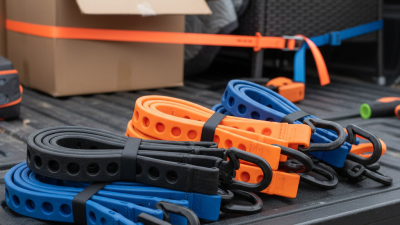
Adjustable rubber tie down straps combine stretch with a way to change the usable length. Many have a rubber cord, end hooks, and a sliding adjuster or locking section. Pulling the cord creates tension that helps hold gear against a rack or inside a vehicle. The rubber can absorb small bumps, but it is not a substitute for a properly secured load.

Designs vary. Some use a continuous cord with repositionable hooks; others pair elastic sections with adjustable webbing. Check how the adjuster locks before loading it. A strap that slips can loosen during travel, especially if the surface is wet or dusty. I still find it easy to assume “tight” means “secure.” It doesn’t always. Inspect the hooks, cord, and adjustment points for cracks, fraying, or deformation, and follow the stated load limits.

Tips

Measure the distance before choosing a strap, then leave enough slack to engage the adjuster correctly. Keep the cord away from sharp edges and hot surfaces. Avoid stretching it to its limit; excessive tension can cause sudden recoil if a part fails. Give the setup a firm hand check, and recheck it after the load has settled.

Key Features That Affect Fit, Grip, and Durability

Top 10 Adjustable Rubber Tie Down Straps for Buyers

Fit, grip, and durability depend on more than strap length. Measure the load and anchor points before choosing an adjustable model. A strap that is too short may overstretch; excess slack can let a bag or tarp shift. Look for clearly stated working-load limits, secure adjustment hardware, and hooks that sit firmly without twisting. Rubber compounds vary, too. Sunlight, cold, and repeated stretching can make some straps stiff or cracked. Inspect them closely.

For road cargo, elastic rubber straps should not be treated as substitutes for rated cargo tie-downs. The Federal Motor Carrier Safety Administration’s cargo-securement rule, 49 CFR 393.106(d), sets an aggregate working-load-limit benchmark of at least half the cargo’s weight. That figure applies to qualifying cargo securement, not automatically to stretch cords. Check the product’s stated rating and intended use. A tidy label is not proof of performance.

Tips: Pull the strap by hand before use. Check for small splits near hooks and adjustment points. Keep it away from sharp edges, and replace it if the rubber feels tacky or brittle. One overlooked detail: wet, smooth surfaces can reduce grip, even when the strap feels tight.

How to Compare Strap Types, Lengths, and Load Ratings

Top 10 Adjustable Rubber Tie Down Straps for Buyers

How to Compare Strap Types, Lengths, and Load Ratings

Adjustable rubber tie-down straps vary in stretch, hook style, and adjustment range. Choose a strap that fits the load, not just the product description. A short strap may pull tightly around a cooler, while a longer one can reach across a bulky storage bin. Too much stretch can let cargo shift. Fit matters. Check whether the strap uses hooks, loops, or a buckle, and make sure its contact points suit your tie-down locations. Load ratings matter, too. Compare the stated working load limit, when provided, rather than relying on breaking strength alone. Labels and rating methods can differ.

Tips: Measure the route around your cargo before buying. Leave room for secure attachment without forcing the strap to its limit. Check the rating on the strap or packaging, and follow its instructions. Small print is easy to overlook.

Before each use, look for cracks, fraying, loose fittings, or rubber that feels brittle. Replace damaged straps; a worn section may fail under tension. Keep the strap clear of sharp edges, and avoid stretching it across a person’s path. One detail buyers sometimes miss: the hook must stay seated when the load moves. Test the setup gently, then recheck it after a short drive or movement. Even careful comparisons cannot predict every bump.

Safety Checks Before Choosing a Rubber Tie Down Strap

Top 10 Adjustable Rubber Tie Down Straps for Buyers
Safety Checks Before Choosing a Rubber Tie Down Strap

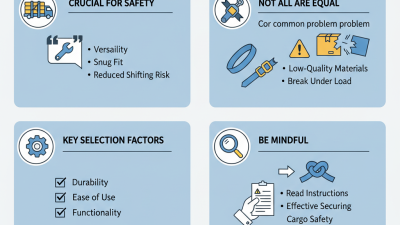
A strap’s advertised stretch can look impressive, but stretch alone does not show whether it can secure your load. Check the stated working load limit and follow the maker’s guidance. If the rating is missing or unreadable, choose another strap. Inspect the rubber for cuts, cracks, brittleness, or sticky patches. These can signal wear from age, sunlight, or heat. Look closely. Examine hooks and fittings for bends, rust, sharp edges, and loose connections. A damaged hook may slip or tear the strap under tension.

Tips: Lay the strap flat before use. Check every hook. Keep your face and hands out of its recoil path while attaching it. Avoid stretching it beyond the stated limit.

Match the strap length to the anchor points, so it holds the item without excessive tension or slack. Test the setup with a gentle pull, then check that hooks remain seated and the load does not shift. It is easy to focus on convenience and overlook the anchor itself; a strong strap cannot compensate for a weak attachment point. For heavy, fragile, or high-value cargo, do not rely on a rubber tie down as the only restraint. Inspect again during longer trips, especially after bumps or changing weather. Even a strap that looks fine can be past its useful life.

Top 10 Adjustable Rubber Tie Down Straps for Buyers — Safety Checks Before Choosing

Force rating reference: exact conversions from pounds-force (lbf) to newtons (N). These values are unit conversions, not ratings for any particular strap.

Before buying, check the product’s stated working load limit, inspect the rubber and end fittings for damage, and confirm the strap is suitable for the load and use. Do not treat a force conversion as a strap capacity; follow the manufacturer’s specifications.

Top 10 Adjustable Rubber Tie Down Straps for Different Buying Needs

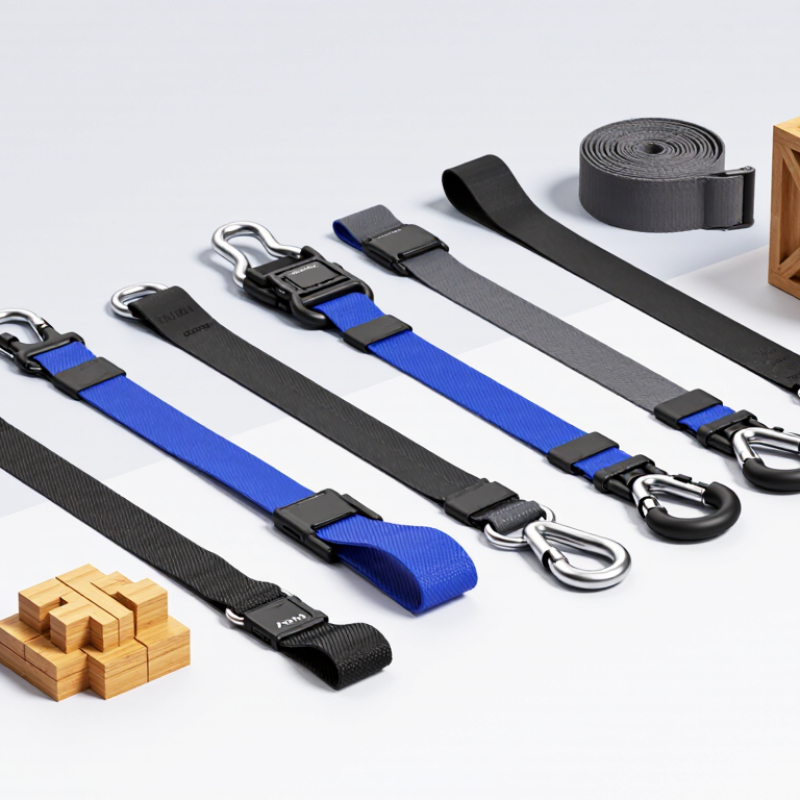
Choosing among ten adjustable rubber tie-down styles starts with the job, not the hook color. Short loops suit bundled hand tools; long straps reach across tarps and bins. Fine-adjustment buckles help secure camping gear, while corrosion-resistant fittings suit damp marine storage. Wider straps spread pressure over garden equipment. Compact loops tidy bike accessories in a garage, not on a moving vehicle. UV-resistant compounds are useful outdoors, and reinforced ends handle repeated workshop use. For awkward bundles, choose adjustable lengths with more than one anchor point. A simple replacement strap can be best when matching an existing setup. Measure twice.

Stretch is convenient, but it can also hide a poor fit. Check strap width, usable length, hook shape, adjustment range, and the maker’s stated load rating. Rubber may age or lose elasticity after sunlight, heat, or abrasion; inspect it before each use.

The U.S. Federal Motor Carrier Safety Administration’s 49 CFR 393.106(d) requires covered commercial cargo securement systems to have an aggregate working load limit of at least half the cargo weight. That rule is not a rating for elastic utility straps. Do not treat a bungee-style strap as a substitute for rated cargo restraints.

For everyday storage, these ten options can solve different small jobs, but the right choice still depends on the load and anchor points.