What Are the 2026 Top Flatbed Trailer Supplies?
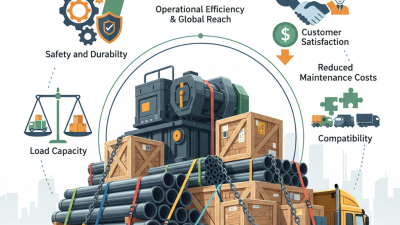
As 2026 approaches, flatbed operators are reviewing equipment with sharper attention. The right Flatbed Trailer Supplies can protect cargo, reduce downtime, and simplify daily inspections. Demand remains connected to construction, manufacturing, agriculture, energy, and infrastructure projects.
ACT Research’s North American Commercial Trailer Market reports show that replacement cycles and freight demand continue shaping trailer purchasing decisions. The American Trucking Associations’ Freight Transportation Forecast to 2035 also projects long-term freight growth across major sectors. Meanwhile, the Federal Highway Administration’s Freight Analysis Framework highlights continued movement of heavy industrial commodities. These reports do not predict every local market perfectly. Still, they offer useful direction.
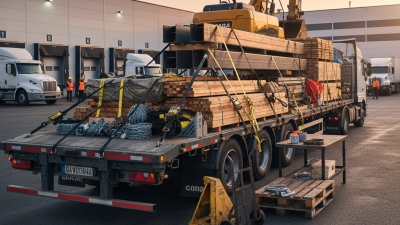
Practical buyers should examine heavy-duty chains, binders, winches, tarps, edge protectors, coil racks, stake pockets, and anti-slip mats. FMCSA cargo-securement requirements should guide product selection and inspection procedures. A worn strap is not a small detail. It can become an expensive lesson. Experienced fleets also compare working load limits, weather resistance, corrosion protection, and replacement availability before purchasing. LED lighting, reflective conspicuity materials, mudflaps, and reliable tie-down hardware can improve visibility and routine safety checks. Yet product quality alone cannot solve poor loading practices. Operators need training, accurate records, and consistent pre-trip inspections. This guide examines the 2026 Top Flatbed Trailer Supplies through market evidence, field experience, and practical maintenance needs. Some recommendations may require adjustment for regional freight, trailer design, and operating climate. That uncertainty deserves attention.
Define 2026 Flatbed Trailer Supplies by 48–53 ft Decks and 102 in Width
What Are the 2026 Top Flatbed Trailer Supplies?
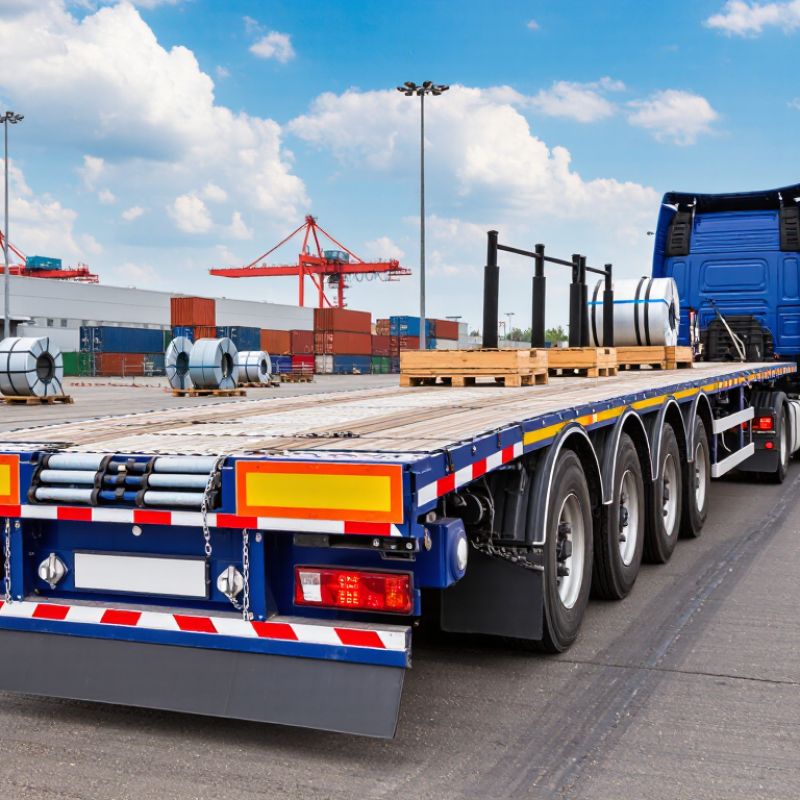
For 2026, flatbed trailer supplies should match 48–53 ft decks and a 102 in width. The deck length changes tarp coverage, strap placement, and storage needs. A 48 ft trailer may need different tie-down spacing than a 53 ft deck. Small gaps matter. Essential supplies include heavy-duty tarps, ratchet straps, chains, binders, edge protectors, stake pockets, and spare winch bars. Select tarps with enough drop to cover cargo sides without dragging across the road surface. Measure twice.
The 102 in width also affects loading clearance and protection. Edge protectors should shield straps from sharp steel, timber corners, and uneven machinery surfaces. Load-rated chains and binders must match the cargo weight and securement plan. The Federal Motor Carrier Safety Administration provides cargo-securement requirements, while the Federal Highway Administration’s Freight Facts and Figures 2023 confirms trucking’s major role in domestic freight movement. These sources support a capacity-first purchasing approach, not a cheapest-price approach.
Cost control matters in 2026. The American Transportation Research Institute’s An Analysis of the Operational Costs of Trucking: 2024 Update reported an average marginal operating cost of $2.260 per mile in 2023. That figure is not a flatbed-specific benchmark. Still, damaged tarps, missing straps, and premature trailer-floor wear can increase operating costs. Inspect stitching, hooks, winches, and rub rails before every long haul. Some “universal” supplies fit poorly. That remains an easy mistake to repeat.
Select Tie-Downs Under FMCSA Rules: WLL Must Equal 50% of Cargo Weight
What Are the 2026 Top Flatbed Trailer Supplies?
For 2026, essential flatbed supplies include rated web straps, chains, binders, edge protectors, winches, dunnage, and weather covers. Tie-down selection deserves the closest attention. Under FMCSA 49 CFR 393.102 and 393.106, the combined working load limit must equal at least 50% of the cargo weight. A 10,000-pound load therefore needs at least 5,000 pounds of aggregate WLL. That figure applies to the securement system, not automatically to each strap.
Under FMCSA 49 CFR 393.102 and 393.106:
The combined working load limit must equal at least 50% of the cargo weight.
Inspect Every Tie-Down Before Loading
Check every tag before loading. The WLL must be visible, readable, and suitable for the tie-down type. A damaged strap, bent binder, or sharp steel edge can reduce real performance. Edge protection helps prevent cutting and abrasion, especially around rough lumber, fabricated steel, or machinery corners. Keep the strap flat and remove twists. Small details matter.
The Commercial Vehicle Safety Alliance’s 2023 International Roadcheck report recorded 59,429 Level I inspections, with 12,597 vehicles placed out of service. Cargo securement remained an inspection concern.
Build a Consistent Securement Process
This supports a simple field practice: calculate WLL before tensioning, then inspect it again after the first miles. A load can look tight and still be under-secured. That is the uncomfortable part. Some crews also forget that dunnage must resist shifting, not merely fill empty space. A printed securement checklist, current inspection records, and trained loading personnel provide stronger evidence of professional control.
Match Tarps, Chains, and Binders to Loads Up to 80,000 lb GVWR
What Are the 2026 Top Flatbed Trailer Supplies?
Matching supplies to the load matters more than buying the heaviest equipment. A flatbed carrying steel coils needs different protection than lumber or machinery. Start by confirming the cargo weight, dimensions, edges, and center of gravity. Remember, 80,000 lb GVWR describes the rated vehicle combination, not the allowed cargo alone. Check the trailer rating, axle limits, and available payload before loading.
Use a tarp that fits the load without dragging across sharp corners. A reinforced tarp with strong grommets suits many exposed loads, but padding remains essential around abrasive edges. For a 12-foot steel bundle, measure the top, sides, and overlap before selecting tarp dimensions. Loose fabric can flap violently. Tight fabric can tear.
Chains and binders must match the cargo weight and their working load limits. Choose rated chains for dense machinery, then pair them with compatible lever or ratchet binders. The combined securement capacity should exceed the force expected during braking, turning, and uneven roads. Inspect hooks, links, handles, and anchor points for stretching or cracks. Replace questionable parts.
I often see tie-downs tightened unevenly. That small mistake deserves a second look. Recheck tension after a short drive, especially when wood settles or tarps shift. Local cargo-securement rules may require specific tie-down counts and methods. Treat the 80,000 lb figure as a planning boundary, not permission to overload.
Evaluate Decks, Axles, and Tires Around Common 20,000-lb Axle Ratings
What Are the 2026 Top Flatbed Trailer Supplies?
For flatbeds near a 20,000-pound axle rating, deck strength deserves close inspection. A deck is not just a surface. It spreads cargo forces across crossmembers, rails, and suspension points. Heavy steel decks resist impact, while treated wood decks can reduce weight and simplify replacement. Aluminum saves more weight, but it requires careful inspection around fasteners and joints. Check for cracked welds, loose boards, bent crossmembers, and standing water. Small damage can grow under repeated loading.
Tips: Match every tire, wheel, and axle component to the actual load. Check the sidewall rating, cold inflation pressure, and wheel capacity together. Never judge payload from the axle rating alone. Tare weight, cargo balance, suspension limits, and local requirements also matter.
Axles around 20,000 pounds need more than strong tubes. Inspect hubs, bearings, brakes, spring seats, and suspension bushings. Tire selection should reflect axle loading, speed, road temperature, and uneven cargo placement. A tire may meet the number on paper but still operate poorly when inflation is neglected. Use a calibrated gauge before long trips. Recheck after major temperature changes. My checklist is not perfect, and real loading conditions can expose weaknesses that a shop inspection misses. A scale reading and measured axle weights provide better evidence than appearance alone. Pay attention to unusual heat, vibration, or tread wear. These details often reveal alignment or overload problems early.
Rank Safety and Tracking Supplies by Compliance, Payload, and Service Life
What Are the 2026 Top Flatbed Trailer Supplies?
For 2026, the strongest flatbed supplies balance compliance, payload, and service life. Rated straps, chains, binders, edge protectors, and friction mats remain essential. Their working limits must match the cargo, tie-down pattern, and local transport rules. Weight matters. Lightweight synthetic equipment can preserve payload capacity, while steel components often tolerate abrasion and heat better. Inspect every shift.
The highest safety ranking belongs to securement equipment with clear ratings, traceable inspection records, and replaceable parts. Edge protectors reduce strap cutting around sharp steel corners. Friction mats can limit cargo movement without adding much weight. However, no product replaces correct tensioning or proper load distribution. A stronger binder cannot fix an unstable load.
Tracking supplies rank closely behind securement gear. Choose rugged telematics units with location reporting, geofencing, tamper alerts, and long battery life. Cellular coverage may fail in remote routes, so backup communication can improve reliability. Compact devices reduce payload loss and simplify installation. Battery condition needs regular checking. Service life is often shorter than expected in vibration, rain, and road salt. I would not trust a tracking screen without testing its alerts during real route inspections. Records should show inspection dates, damage findings, repairs, and replacement decisions. Requirements differ by jurisdiction, so fleet managers should verify current rules before purchasing or deploying equipment.