• Facebook
  • Instagram
  • YouTube
  • Alibaba
Search

Top Tips for Choosing Skidder Tire Chains for Your Needs?

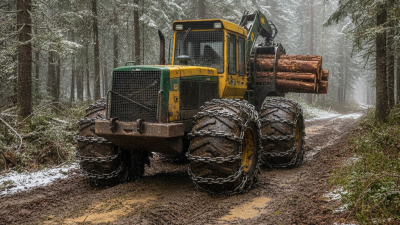
Choosing the right Skidder Tire Chains can significantly affect your operation. These chains enhance traction and performance in challenging terrains. However, the selection process is often overlooked. Different conditions demand different specifications.

When evaluating Skidder Tire Chains, consider factors such as size, material, and tread pattern. Not all chains fit every skidder model. A mismatched choice can lead to inefficiency or even equipment damage. Pay attention to your local terrain and weather conditions. Heavy snow or muddy ground requires specific designs for optimal performance.

Understand that selecting Skidder Tire Chains may seem straightforward, yet it can be quite complex. The best chains do more than just fit; they increase productivity and safety. Take the time to reflect on your needs and consult experts if unsure. Quality chains can be an investment, but the benefits far outweigh the costs. Choose wisely for a smoother operation.
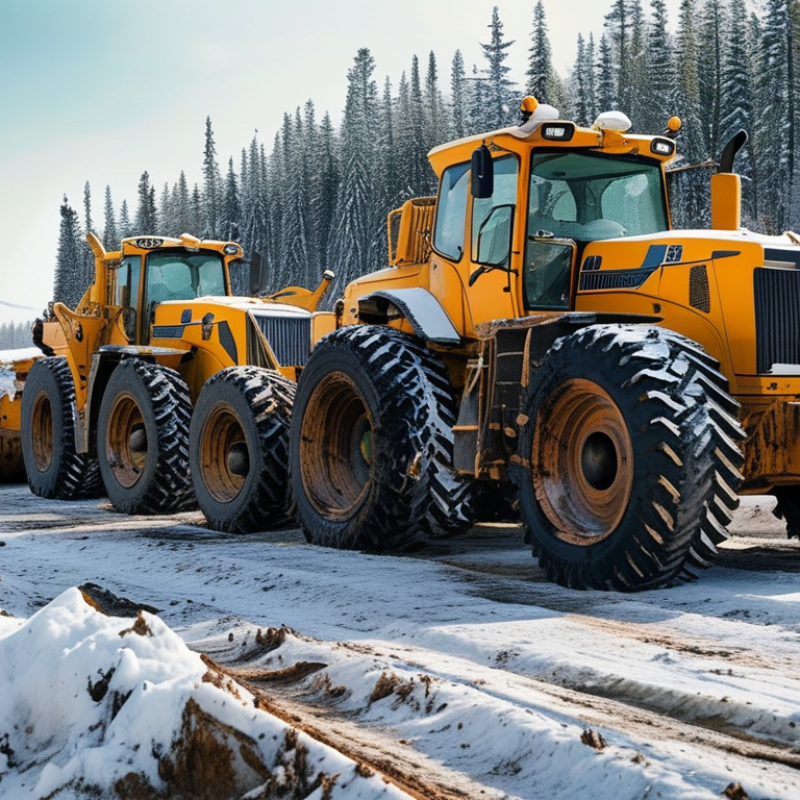
Top Tips for Choosing Skidder Tire Chains for Your Needs?

Essential Factors for Selecting Skidder Tire Chains Based on Terrain Types

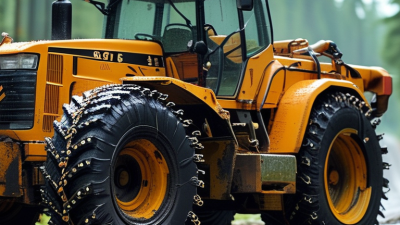
Choosing the right skidder tire chains can significantly impact your equipment's performance in various terrains. Different types of terrain require specific chain characteristics. For instance, muddy or soft ground demands chains with broader links. These can distribute weight better and prevent sinking. Conversely, rocky terrain benefits from chains with a tighter fit and reinforced links for improved durability.

Consider snow-covered areas as well. Chains designed for icy conditions usually have deeper lugs and aggressive tread patterns. They provide enhanced grip, ensuring you maintain control. However, remember that not all tire chains are alike. Some may wear out quickly under harsh conditions, leading to unexpected breakdowns and costly downtime. Always evaluate the terrain and usage frequency when selecting chains.

Adjusting your approach based on changing conditions is crucial. The same chains that perform well in winter might fail in soft earth. Regular inspections are essential for ensuring your chains remain effective. Be mindful of wear and tear, especially after extensive use. Recognizing these factors can help you make informed decisions, ultimately maximizing efficiency and safety.

Understanding Tire Chain Sizes: Impact on Performance and Compatibility

Choosing the right tire chains for your skidder is crucial for optimal performance. Tire chain sizes significantly affect both traction and compatibility with your machinery. Industry data shows that improperly sized chains can lead to increased wear and reduced safety. A study from the National Institute for Occupational Safety and Health indicated that accurate chain sizing reduces slipping incidents by approximately 40%.

Understanding the size specifications is essential. Chains that are too loose can disengage, while those that are too tight may cause tire damage. Most skidder tire chains come in standard sizes compatible with major tire dimensions. For example, a common size for forestry operations is 23x12-12. It’s wise to measure your tires and consult a sizing chart before making a purchase.

Neglecting size can have significant consequences. A miscalculated chain size may hinder performance and lead to operational inefficiencies. Even professional operators can make mistakes in sizing. Regularly reviewing chain condition and fitting is also important. Chains that have worn or have been improperly fitted can fail unexpectedly, compromising safety and productivity on the job site. With due diligence, these risks can be managed effectively.

Top Tips for Choosing Skidder Tire Chains for Your Needs

Chain Type Size (inches) Recommended Use Performance Rating Price Range
Single V-Bar 14 x 5 Lightweight Use Moderate $150 - $200
Double V-Bar 16 x 6 Medium Duty High $250 - $300
Square Link 18 x 8 Heavy Duty Excellent $300 - $400
Ice V-Bar 20 x 10 Extreme Conditions Outstanding $350 - $450
Cable Chains 12 x 4 Light Snow Fair $100 - $150

Material Considerations: Steel vs. Composite Chains in Logging Applications

When selecting tire chains for skidders, material selection plays a crucial role. Steel chains are the traditional choice, known for their strength and durability. They can withstand harsh conditions and heavy loads typical in logging applications. Reports suggest that steel chains offer superior traction on icy or muddy terrain, reducing slippage during operation.

On the other hand, composite chains provide a lightweight alternative. They are less likely to damage the surface of roads and are easier to install. Studies indicate that composite chains can improve fuel efficiency, as they reduce rolling resistance on softer grounds. This can lead to lower operational costs in the long run.

Tip: When choosing between steel and composite, consider the specific conditions of your logging site. If you frequently navigate icy paths, steel may be your best option. For gentler slopes and softer soils, composite chains might be more effective. Remember, the right choice can enhance your skidder performance and efficiency. Always assess your particular needs before making a decision.

Material Comparisons of Skidder Tire Chains in Logging Applications

Evaluating Chain Patterns: How Design Affects Traction and Durability

When evaluating the right skidder tire chains, it's crucial to consider the chain patterns carefully. Various designs can significantly impact traction and durability. Industry reports suggest that chains with a square link pattern provide better grip on loose soil and icy terrains. These chains can better withstand heavy pressure while maintaining their form during intense operations. A recent study indicated that the square link design improved traction by up to 30% compared to traditional round link patterns.

Durability is equally vital. Chains made from high-carbon steel show greater resistance to wear and tear. Research highlights that high-carbon chains last 40% longer under harsh conditions, reducing replacement costs in the long run. However, a common mistake is overvaluing chain thickness. Thicker links do not always equate to better performance. Sometimes, a balance between thickness and flexibility is needed to maximize grip without compromising durability.

It’s essential to analyze your specific needs before choosing a chain pattern. Variables such as soil type and weather conditions affect performance. Misjudging these factors can lead you to the wrong choice, resulting in premature wear or insufficient traction. Shifting focus to the operational context can reveal insights often overlooked in routine selections. Understanding these intricacies can increase the effectiveness of your skidder operations.

Maintenance Tips for Skidder Tire Chains to Enhance Longevity and Safety

Proper maintenance of skidder tire chains significantly extends their lifespan. Regular inspection is crucial. Check for any signs of wear, rust, or damage. A small crack can lead to bigger problems. Lubricate the chains periodically to prevent rust. Use quality oil that can withstand tough conditions. A little care goes a long way.

Cleaning is another key aspect. After working in muddy or snowy conditions, clean the chains thoroughly. Dirt and debris can accelerate wear. Dry them completely before storage. This simple practice helps to maintain their effectiveness. Safety is vital; avoid using damaged chains.

Consider replacing chains if they appear too worn. It's better to invest in new ones than risk safety. Using the right tension is also important. Loose chains can disengage while operating. Regular maintenance checks can make a significant difference in performance and longevity. Without attention, mistakes can happen. Stay proactive with maintenance; it pays off.