• Facebook
  • Instagram
  • YouTube
  • Alibaba
Search

Top Stainless Steel Rigging Hardware Options for Your Next Project?

In the ever-evolving world of construction and marine applications, selecting the right materials is crucial. Stainless Steel Rigging Hardware has become a preferred choice due to its strength and corrosion resistance. According to a recent industry report, the demand for stainless steel in rigging applications is projected to grow by 6% annually. This rise is driven by various sectors, including maritime and construction, where reliability is paramount.

The versatility of Stainless Steel Rigging Hardware cannot be overstated. It is essential for ensuring safety and efficiency in projects ranging from sailboats to large building structures. However, choosing the right components requires careful consideration. Not all stainless steel is created equal. Factors like grade, finish, and specific application must be evaluated. While many assume that higher price means better quality, this is not always true, leading to potential pitfalls.

Understanding these complexities is vital. A lack of awareness can lead to costly mistakes and compromised safety. Projects can suffer delays or even failures if the wrong hardware is selected. Reflecting on these points helps in making informed decisions. The right Stainless Steel Rigging Hardware can significantly impact the project’s success.
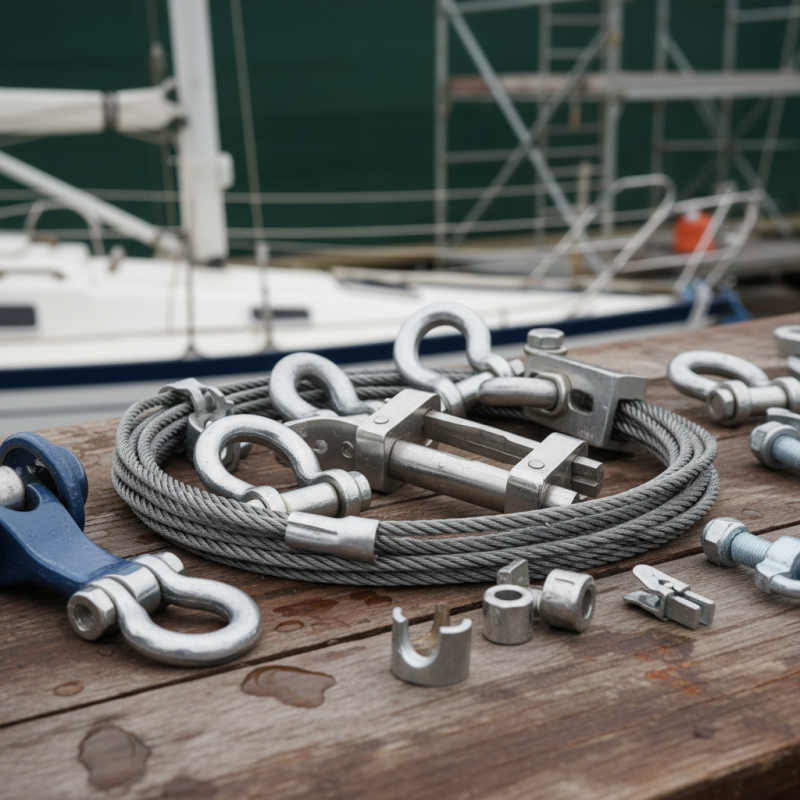
Top Stainless Steel Rigging Hardware Options for Your Next Project?

Understanding Stainless Steel Rigging Hardware: A Comprehensive Overview

When it comes to stainless steel rigging hardware, understanding the material's properties is vital. Stainless steel is known for its corrosion resistance and high strength. This makes it ideal in marine environments. According to industry reports, over 60% of rigging hardware used in these settings is made from stainless steel. This is due to its ability to withstand saltwater exposure, which can quickly degrade other materials.

However, not all stainless steels are created equal. There are different grades, each with unique properties. For instance, grade 316 stainless steel is often preferred for its superior resistance to pitting. Yet, many users overlook the importance of selecting the right grade for specific applications. A mismatch can lead to hardware failure, particularly under extreme conditions.

Furthermore, installation practices impact hardware longevity. Improper installation can lead to stress points, increasing the likelihood of breakage. A recent survey indicated that nearly 30% of rigging failures were due to human error during installation. These insights underline the importance of training and education in the industry. Ensuring that the rigging is correctly installed and maintained is as critical as selecting the right materials.
Types of Stainless Steel Used in Rigging Hardware and Their Applications

When it comes to rigging hardware, stainless steel is a preferred choice. It boasts excellent durability and corrosion resistance. Different types of stainless steel offer unique advantages for various applications. The most common types include 304 and 316 stainless steel.

304 stainless steel is widely used for its balance of affordability and strength. It is suitable for general rigging tasks but is not ideal for marine environments. In contrast, 316 stainless steel contains molybdenum, enhancing its corrosion resistance, particularly in salty conditions. This makes it the go-to option for marine and outdoor applications. Choosing the right type is critical based on your project's specific needs.

Tips: Always consider the environment where your rigging will be used. If it's near saltwater, lean toward 316. Regular inspections are vital too. Look for signs of wear or corrosion. Regular maintenance can extend the life of your hardware significantly. Remember, safety should never be compromised for cost.

Key Features to Consider When Choosing Rigging Hardware for Your Project

When choosing rigging hardware, several key features demand attention. Strength and durability are paramount. Stainless steel options provide excellent resistance to corrosion. This feature is vital for outdoor projects exposed to the elements. Evaluate the load capacity of each hardware piece. This ensures safety during use.

Next, consider the ease of installation. Some components are easier to work with than others. A user-friendly design can save time and reduce frustration. This aspect is particularly important for those new to rigging. Additionally, pay attention to the finish. A smooth surface helps prevent wear and tear, extending the hardware's lifespan.

Finally, don't overlook the compatibility of different components. Ensuring all parts work together is crucial for optimal functionality. Sometimes, mixing different styles or sizes can lead to unexpected problems. Reflect on your project's unique requirements. Tailoring your hardware choices to fit those needs will yield better results.

Top Stainless Steel Rigging Hardware Options

This chart illustrates the weight capacity of various stainless steel rigging hardware options, providing a clear comparison for your next project.

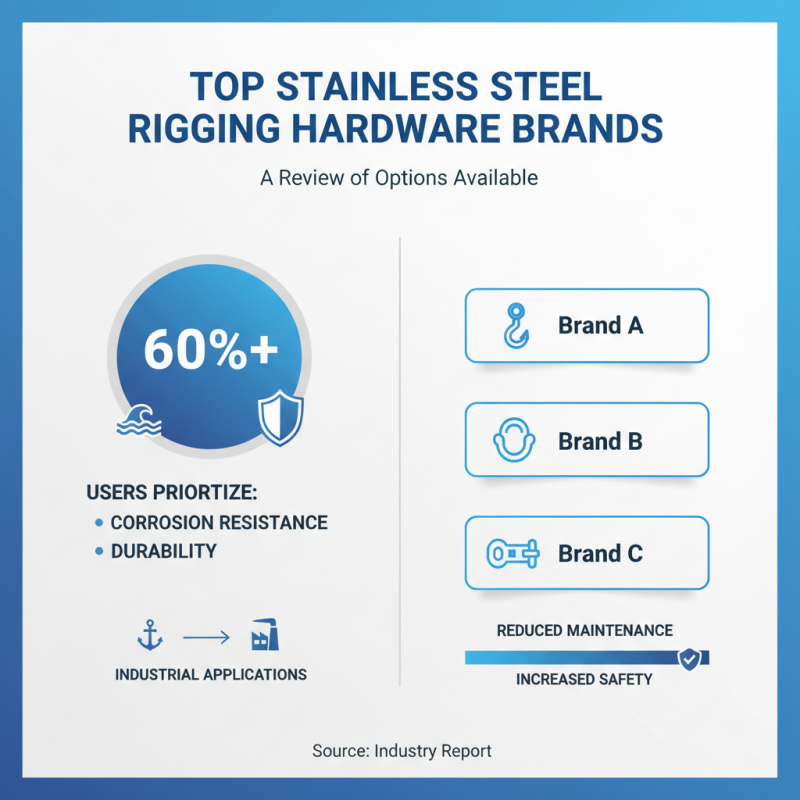
Top Stainless Steel Rigging Hardware Brands: A Review of Options Available

Top Stainless Steel Rigging Hardware Options for Your Next Project?

When considering stainless steel rigging hardware, it's essential to evaluate the leading brands. A recent industry report highlighted that over 60% of rigging hardware users prioritize corrosion resistance and durability. These features are critical for both marine and industrial applications. Quality hardware reduces maintenance costs and increases safety on projects.

Key players in the stainless steel rigging market offer a variety of options. These include everything from turnbuckles to shackles. Interestingly, a survey revealed that 45% of users switched brands due to poor product longevity. This emphasizes the need for thorough research before selecting hardware. Many professionals recommend reviewing product specifications and compliance with industry standards.

Despite having numerous options, some users report frustration with inconsistent quality across different manufacturing batches. It's crucial to pay attention to details like finish and size. Even small discrepancies can lead to significant issues in high-stress environments. Carefully assessing these factors can help avoid complications. Make informed decisions to ensure project success.

Installation and Maintenance Tips for Stainless Steel Rigging Hardware

Top Stainless Steel Rigging Hardware Options for Your Next Project?

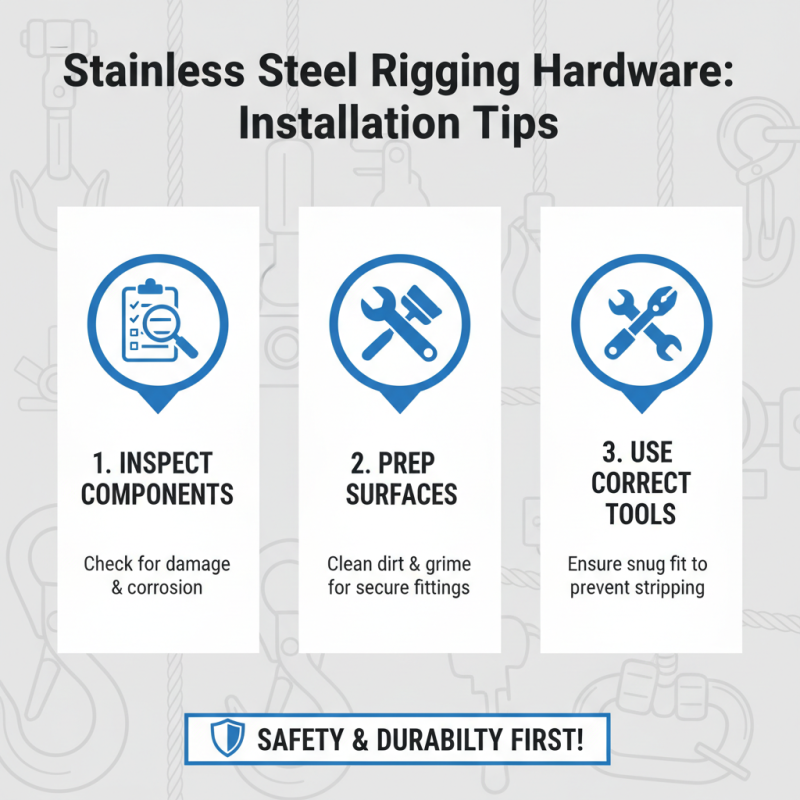
When working with stainless steel rigging hardware, proper installation is key to ensuring durability and safety. Begin by checking all components for any signs of damage or corrosion. Clean the surfaces where hardware will be installed, as dirt can interfere with secure fittings. Using the correct tools is crucial. Ensure you have wrenches or pliers that fit snugly on nuts and bolts. This prevents stripping and potential mishaps during use.

Maintenance is another area where many overlook essential steps. Regular inspections are vital. Look for wear, especially in high-stress areas like shackles and clevises. Pay attention to any shifts or looseness in fittings. If you notice any issues, take the time to tighten or replace the affected parts. Lubricating moving parts can also help extend the life of your rigging hardware. Yet, remember that over-lubrication can attract dirt, leading to more problems. Using the right amount is necessary.

Be mindful of environmental factors too. Saltwater exposure can lead to quicker corrosion. Rinse hardware after being in salty conditions. This simple step can prevent costly replacements later. Overall, while stainless steel is durable, it still requires careful attention. Regular, mindful maintenance will maintain its strength and reliability.