What is Stainless Steel Rigging Hardware and Its Applications?
Stainless Steel Rigging Hardware is essential in many industries, including marine, construction, and manufacturing. Its corrosion resistance and strength make it ideal for various applications. According to a recent industry report by Smithers Pira, the global market for rigging hardware is expected to reach USD 1.2 billion by 2025, driven by rising demand in maritime activities.
The durability of stainless steel ensures longevity, but challenges persist. Users often underestimate the importance of regular inspections, leading to potential failures. Rigging hardware must meet rigorous standards, with certification processes in place to ensure safety and reliability. In the marine sector, for instance, nearly 30% of rigging equipment is replaced annually due to wear and tear.
Education on proper usage is vital. Many professionals may not be aware of the specific types of stainless steel alloys suited for different environments. A common oversight involves using the wrong grade, which can compromise safety. With increased awareness, the industry can embrace better practices and improve overall reliability in stainless steel rigging hardware applications.
Definition and Composition of Stainless Steel Rigging Hardware
Stainless steel rigging hardware plays a crucial role in various applications, from marine settings to construction sites. This hardware is designed for strength, durability, and corrosion resistance. Typically made from alloys containing iron, chromium, and nickel, it can withstand harsh environments. The chromium content gives stainless steel its notable resistance to rusting. This unique composition enhances its lifespan.
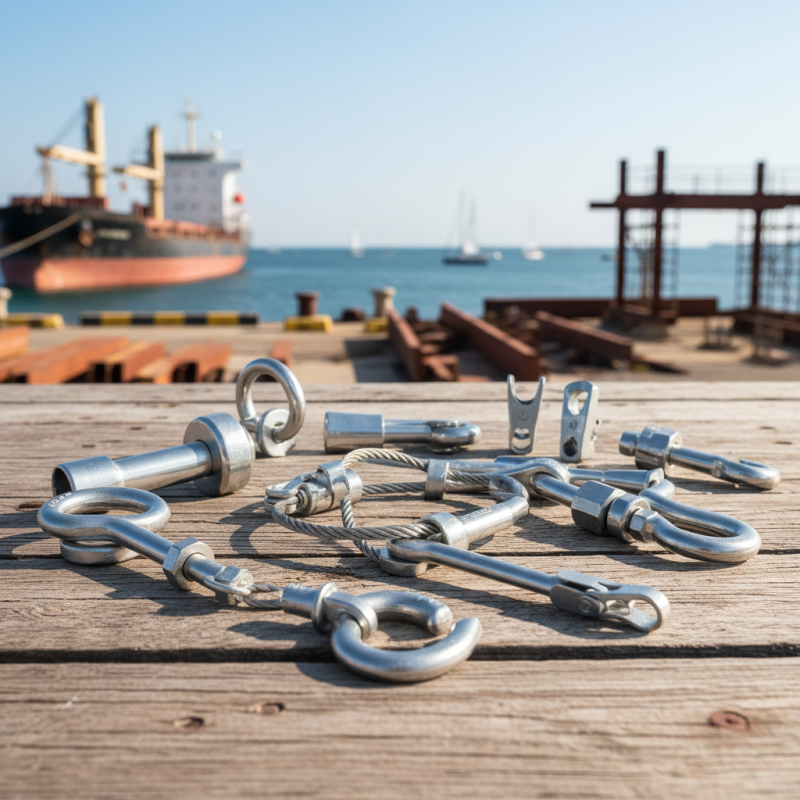
In many applications, the hardware includes shackles, turnbuckles, and connectors. Each piece is engineered to endure significant stress. However, not all stainless steel is created equal. Various grades exist, each with different properties. Some may corrode under extreme conditions, requiring careful selection. Routine inspection is essential for safety and performance.
Using stainless steel rigging hardware improves overall reliability. Many industries rely on its strength, yet user education remains vital. Understanding specific needs is necessary for optimal performance. Users should also be aware of the limitations of different grades. Knowledge of materials' properties can prevent potential failures and accidents. Even the best materials can falter without proper care and maintenance.
Common Types of Stainless Steel Rigging Hardware
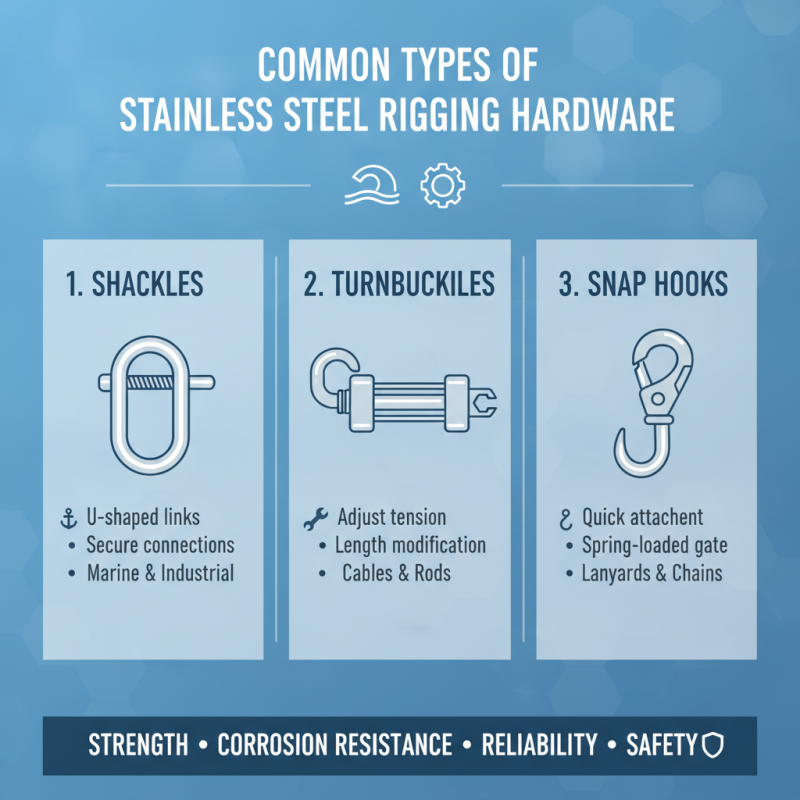
Stainless steel rigging hardware is essential in various applications. It offers both strength and corrosion resistance. Common types of rigging hardware include shackles, turnbuckles, and snap hooks. These components are widely used for securing loads, especially in marine and construction settings. They provide reliability, which is crucial for safety.
Shackles come in different shapes and sizes, such as D-shackles and bow shackles. D-shackles are often preferred for their strength. Turnbuckles are versatile tools for tensioning cables and ropes. They allow for easy adjustment, making them suitable for temporary setups. Snap hooks provide quick connections and disconnections. Their design allows for easy and fast operation, but they require proper closure to prevent accidents.
While stainless steel has many benefits, it's not perfect. It can corrode under specific conditions. Environmental factors, like saltwater, can impact its longevity. Regular inspections are necessary to maintain performance. Despite these drawbacks, stainless steel rigging hardware remains a trusted choice in many industries. Ensuring safe and effective use is key to maximizing its advantages.
Advantages of Using Stainless Steel in Rigging Applications
Stainless steel rigging hardware has become a popular choice for various applications due to its numerous advantages. One key benefit is its excellent resistance to corrosion. This makes it ideal for outdoor and marine environments where exposure to moisture is inevitable. The strength of stainless steel is another critical factor. It can withstand heavy loads without bending or breaking, ensuring safety and reliability in rigging applications.
Using stainless steel also reduces maintenance costs. The durability of this material means it often requires less frequent replacements compared to other metals. This can save users both money and time in the long run. Additionally, stainless steel hardware has a clean and modern appearance, adding aesthetic value to any project.
Tips: Regular inspection is crucial. Look for any signs of wear or corrosion. Even stainless steel can develop surface rust under certain conditions. Always clean your rigging hardware after exposure to saltwater to ensure longevity. Consider the application of your hardware. Not all stainless steel grades are suitable for every environment. Choose wisely based on your specific rigging needs.
Typical Applications of Stainless Steel Rigging Hardware
Stainless steel rigging hardware plays a vital role in various industrial and maritime applications. Its resistance to corrosion, high strength, and durability make it ideal for sailing, construction, and energy sectors. According to industry reports, the global rigging hardware market reached approximately $12 billion in 2022, with projections indicating continued growth. The marine sector accounts for a significant share due to the hardware's robustness against saltwater environments.
In construction, stainless steel rigging hardware often supports structures, ensuring safety and stability. A study highlighted that 72% of construction managers prioritize materials that withstand extreme conditions. Applications like cable systems in bridges or the use of turnbuckles for tensioning cables demonstrate its importance. The longevity and low maintenance requirements reduce overall costs, yet some projects still overlook the necessity of quality hardware.
Another common application is in the renewable energy sector. Stainless steel rigging hardware is essential for wind turbines and solar panel installations. Studies have shown that using high-quality rigging hardware can improve overall safety ratings by up to 40%. Despite these benefits, some companies still opt for cheaper alternatives, risking integrity and safety. Engaging in continuous quality improvement is crucial for reducing these risks.
What is Stainless Steel Rigging Hardware and Its Applications?
| Type of Stainless Steel Rigging Hardware |
Material Grade |
Typical Applications |
Load Capacity (lbs) |
| Turnbuckles |
316 Stainless Steel |
Marine applications, tensioning cables |
2,000 |
| Snap Hooks |
304 Stainless Steel |
Securing loads, outdoor applications |
750 |
| Rigging Plates |
316 Stainless Steel |
Lifting and rigging applications |
1,500 |
| Shackles |
304 Stainless Steel |
Lifting, towing, and mooring |
3,000 |
| Eye Bolts |
316 Stainless Steel |
Suspending cables, attached lifting points |
1,200 |
Maintenance and Care for Stainless Steel Rigging Equipment
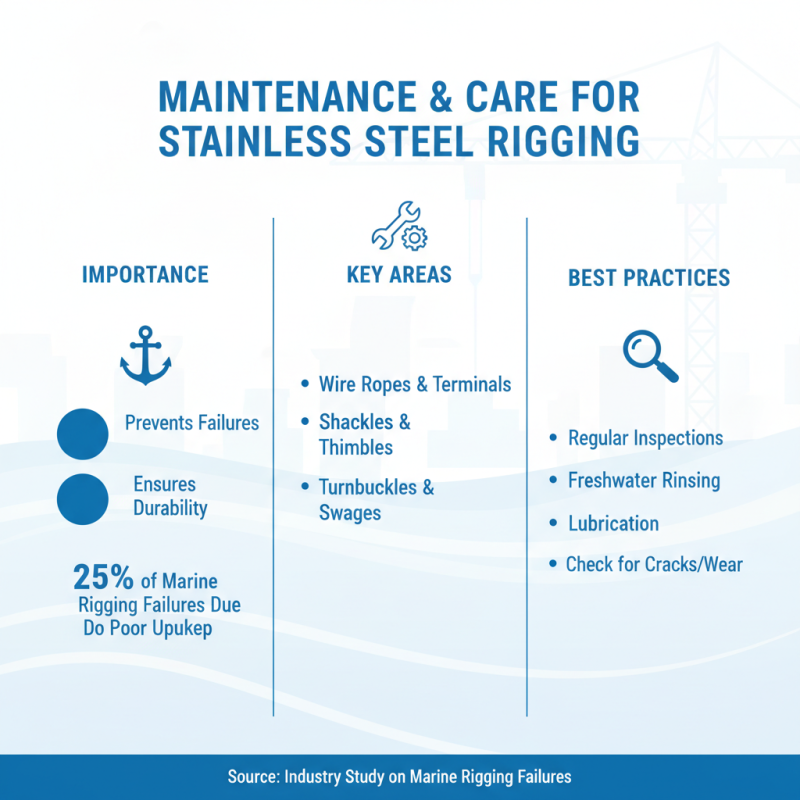
Stainless steel rigging hardware is vital in many sectors, including marine, construction, and aerospace. Its durability stems from corrosion resistance, yet maintenance is crucial. Regular inspections can prevent potential failures. A study indicated that nearly 25% of rigging failures in marine applications result from inadequate upkeep.
Routine cleaning is essential. Saltwater environments can accelerate corrosion. Washing equipment after exposure to saltwater can extend its lifespan significantly. Using a soft brush and mild detergent helps eliminate contaminants. According to industry reports, well-maintained stainless steel can last up to 30 years. However, any visible signs of wear should prompt immediate action.
Lubrication is another critical aspect. Non-corrosive lubricants maintain moving parts and reduce friction. Overlooking this can lead to premature wear. Operators often ignore the tiny details, like ensuring hardware is free from debris before storage. Neglecting these small tasks can lead to larger, costly issues down the road. Proper care not only enhances performance but also secures safety in operations.