Why You Need Skidder Tire Chains for Winter Safety and Performance
As winter approaches, the importance of ensuring safety and performance in forestry operations cannot be overstated. According to Johnathan Reynolds, a leading expert in heavy machinery operations, "Skidder Tire Chains are essential for maintaining traction in snow and ice, significantly reducing the risk of accidents." The utilization of Skidder Tire Chains enhances stability and grip, making them a critical investment for operators facing challenging winter conditions.
In environments where slippery surfaces are the norm, traditional tires often fall short, leading to delays and potential hazards. Skidder Tire Chains provide the necessary support and control, allowing for efficient operation and peace of mind. As Reynolds emphasizes, “Investing in proper traction solutions is not just about performance; it’s about protecting your team and equipment.”
In this discussion, we will explore the benefits of Skidder Tire Chains, how they contribute to winter safety, and the undeniable impact they have on operational efficiency during the colder months. By understanding the significance of these tire chains, forestry professionals can make informed decisions that prioritize both safety and productivity in their work.
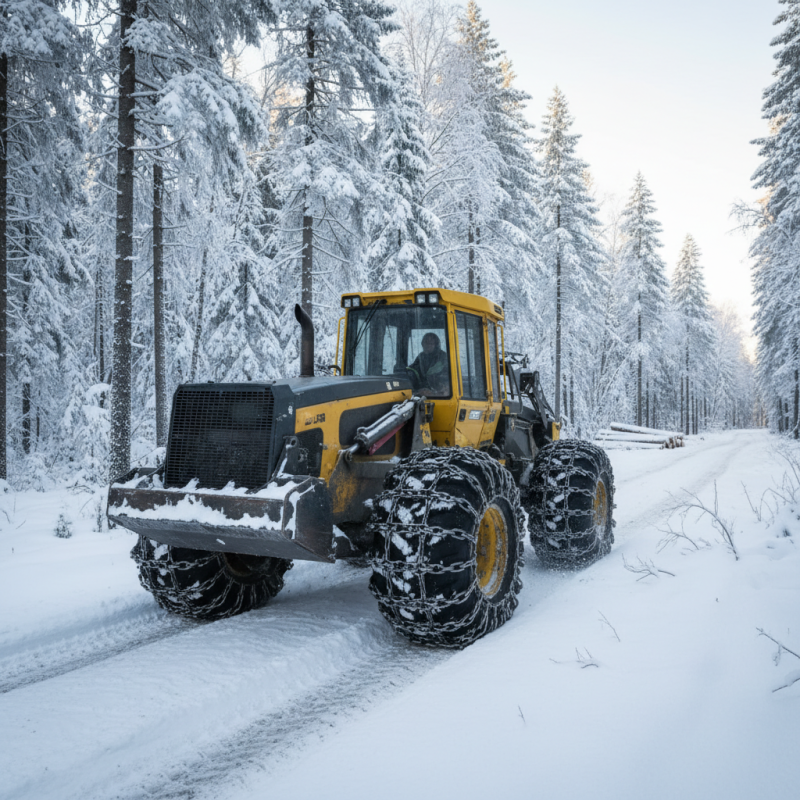
Benefits of Using Skidder Tire Chains During Winter Conditions
When winter conditions strike, the performance of heavy machinery such as skidders can be significantly compromised without the right equipment. Skidder tire chains are an essential accessory for enhancing traction on slippery surfaces. They provide added grip on snow and ice, ensuring that operators can navigate challenging terrain safely and efficiently. This is particularly crucial in logging and forestry operations, where productivity and safety are paramount.
In addition to improving traction, skidder tire chains help protect tires from the harsh winter environment. The rugged surface of the chains prevents excessive wear and tear, prolonging the life of the tires. Furthermore, with enhanced stability, operators can maneuver on steeper slopes and uneven ground with confidence, reducing the risk of accidents and costly downtime. By equipping skidders with tire chains, operators not only enhance their winter performance but also contribute to a safer working environment in increasingly adverse weather conditions.
Benefits of Using Skidder Tire Chains During Winter Conditions
The chart above illustrates the key benefits of using skidder tire chains during winter conditions. Each benefit is rated on a scale from 1 to 10, highlighting their importance for winter safety and performance.
How Skidder Tire Chains Enhance Traction and Stability
Skidder tire chains play a crucial role in enhancing traction and stability during winter operations, where slippery terrains can pose significant challenges. According to industry reports, up to 80% of off-road vehicle accidents occur in adverse weather conditions, underscoring the need for effective traction solutions. Skidder tire chains provide a reliable grip on icy or snow-covered surfaces, significantly reducing the likelihood of skidding or losing control. This enhanced traction is vital for operators who rely on skidders for logging, land clearing, and other heavy-duty applications, as it allows them to navigate varied terrains safely.
In addition to improving traction, skidder tire chains contribute to overall vehicle stability. Studies indicate that vehicles equipped with tire chains benefit from increased lateral stability, which is especially important when maneuvering on slopes or uneven ground. The chains help distribute weight more evenly across the tire surface, reducing the chance of sinking into soft, unstable surfaces like mud or snow. When employing tire chains, operators can maintain better control over their machinery, ensuring that work progresses efficiently and without unnecessary delays. This improvement in performance not only enhances safety but also boosts productivity, allowing for more effective winter work operations.
Factors to Consider When Choosing Skidder Tire Chains
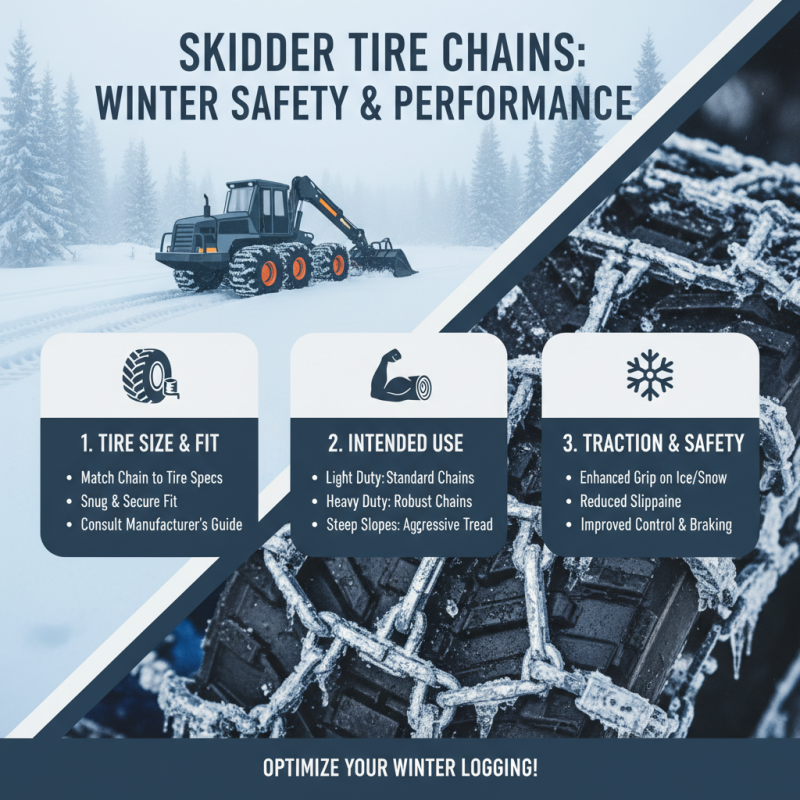
When choosing skidder tire chains for winter safety and performance, several factors need to be considered to ensure optimal usage. First and foremost, assess the size and specifications of your tires. Chains must fit snugly and securely to provide the best grip on icy or snowy terrain. Consult the tire manufacturer's recommendations to find compatible chain sizes, and consider the intended use of the skidder; for heavy-duty operations, more robust chains may be necessary.
Additionally, think about the type of terrain you will be navigating. Some chains are designed for off-road applications, while others may be better suited for paved surfaces. Look for features such as link thickness and pattern, as these attributes can significantly impact performance in challenging conditions.
Tips: When installing tire chains, ensure they are evenly distributed around the tire and properly tensioned to avoid wear and tear. Regularly inspect the chains for any signs of damage, and store them in a cool, dry place during the off-season to prolong their lifespan. Taking these precautions can enhance safety and efficiency while working in winter conditions.
Installation and Maintenance Tips for Skidder Tire Chains
When winter conditions set in, skidder tire chains become an essential component for ensuring both safety and performance in the logging industry. Proper installation of tire chains can significantly enhance traction on icy or snowy terrain. According to a report from the Forest Engineering Research Institute of Canada, using tire chains can improve traction by as much as 30%, reducing the risk of accidents and increasing operational efficiency. However, to maximize these benefits, correct installation is crucial. Ensure that the chains are fitted tightly against the tire without excessive slack, as this can cause damage to the tire or the chains themselves.
Maintenance of skidder tire chains is equally important to prolong their lifespan and ensure optimal functionality. Regular inspections should be conducted to look for signs of wear and tear, such as cracked links or rust. The Occupational Safety and Health Administration (OSHA) recommends that chains should be cleaned and lubricated periodically to prevent corrosion, especially after exposure to salt and other harsh winter elements. Additionally, proper storage when not in use—keeping them in a dry, sheltered location—can help maintain their integrity and readiness for the next use. By following these installation and maintenance tips, operators can ensure that their skidder tire chains remain effective throughout the winter season.
Legal Regulations and Safety Standards for Tire Chains in Winter
In many regions, the use of tire chains during winter months is not just a safety precaution, but also a legal requirement. According to the Federal Highway Administration, certain states mandate the use of tire chains on designated snow routes when driving conditions become hazardous. This regulation is designed to enhance traction and control, thereby reducing the risk of accidents. In fact, a report from the National Highway Traffic Safety Administration (NHTSA) indicated that vehicles equipped with tire chains experienced 30% fewer accidents in snowy conditions compared to those without.
Safety standards also play a significant role in the regulation of tire chains. The Rubber Manufacturers Association (RMA) specifies guidelines to ensure tire chains are designed and manufactured to withstand the rigors of winter driving. Chains must meet performance requirements for traction, durability, and effectiveness in various snow and ice conditions. For instance, in a study conducted by the International Snowmobile Manufacturers Association (ISMA), it was found that vehicles using compliant tire chains demonstrated improved stopping distances, showcasing the importance of adhering to these safety standards to protect both drivers and pedestrians.
Why You Need Skidder Tire Chains for Winter Safety and Performance - Legal Regulations and Safety Standards for Tire Chains in Winter
| Attribute |
Description |
Applicable Regulations |
Safety Standards |
| Material |
Heavy-duty steel or reinforced polymer |
DOT regulations |
ASTM D7500 |
| Chain Type |
Diamond or square link |
Local transport laws |
ISO 9001 |
| Size Availability |
Varies by tire size, ranges from 24" to 44" |
Federal tire chain laws |
ANSI 28.4 |
| Installation Method |
Manual or automatic systems |
Manufacturer guidelines |
SAE J2064 |
| Usage Recommendations |
For snow, ice, and mud |
State safety codes |
FMVSS 119 |