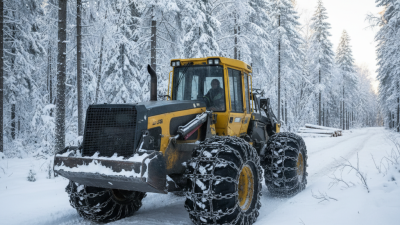
Skidder Tire Chains are essential tools in the logging industry. These chains enhance traction and performance in challenging terrains. According to industry reports, nearly 75% of loggers face difficulties with slippery surfaces. This is where Skidder Tire Chains come into play.
These chains are designed to grip tough ground conditions. They help in transporting heavy loads efficiently. A study revealed that using chains can increase a skidding operation's productivity by up to 30%. Yet, some operators overlook their importance. They may not realize the potential risks of inadequate traction.
Many may wonder how these devices work. Skidder Tire Chains fit around tires, providing a rugged surface that bites into mud and snow. While they are effective, maintenance is crucial. Worn out or poorly fitted chains can lead to accidents. It’s essential to reflect on the role these chains play in safety and efficiency. Correct use and care can significantly impact any logging operation.
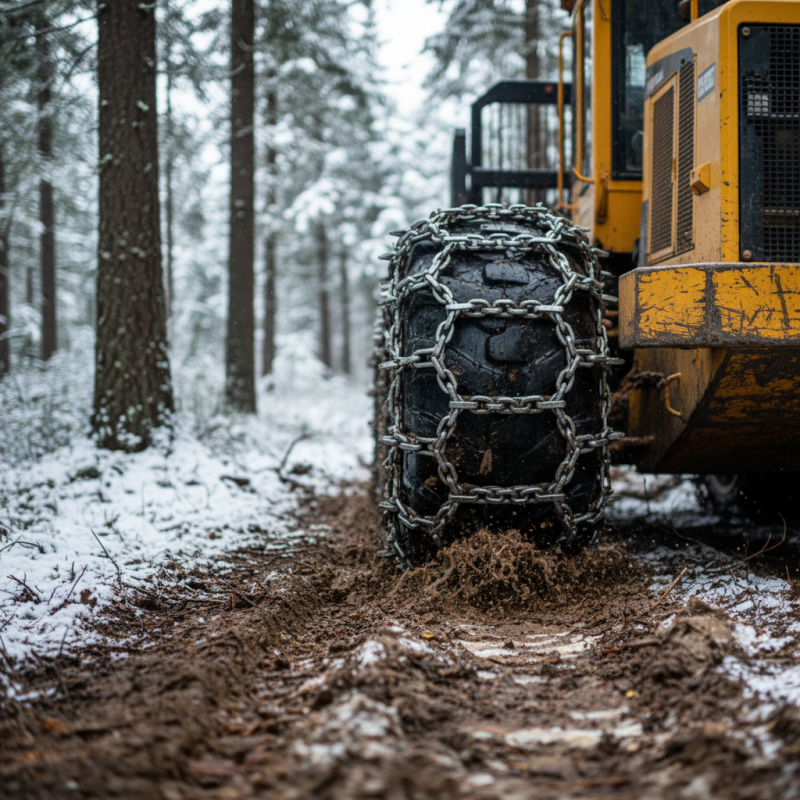
A skidder tire chain is an essential accessory for vehicles operating in difficult terrains. These chains are designed to wrap around the tires of skidders, providing better traction. This is crucial when navigating through muddy or icy areas. Without these chains, skidders can struggle to maintain grip. The added traction helps prevent slipping.
Skidder tire chains are typically made from durable metal links. They create a grip that digs into the ground and enhances stability. Proper installation is vital. An incorrectly fitted chain can cause damage. Regular inspection is also important to ensure that the chains remain effective. Over time, wear and tear can reduce their functionality.
Using skidder tire chains requires some learning. Not every situation calls for them. Knowing when to install and remove the chains is key. It can be a balance between course conditions and the task at hand. Mistakes can lead to accidents or ineffective performance. Each operator needs to adapt and reflect on their usage of tire chains.
| Dimension | Description | Purpose | Material Type |
|---|---|---|---|
| Size | Varies based on tire dimensions | Provides traction on slippery surfaces | Steel, Polymer |
| Link Type | Roller or square links | Enhances durability and grip | Galvanized, coated for corrosion resistance |
| Chain Pattern | Cross, zigzag, or ladder patterns | Affects traction performance | High tensile strength materials |
| Installation Method | Manual or automatic tensioning systems | Quick and secure fitting to tires | Flexible and durable material |
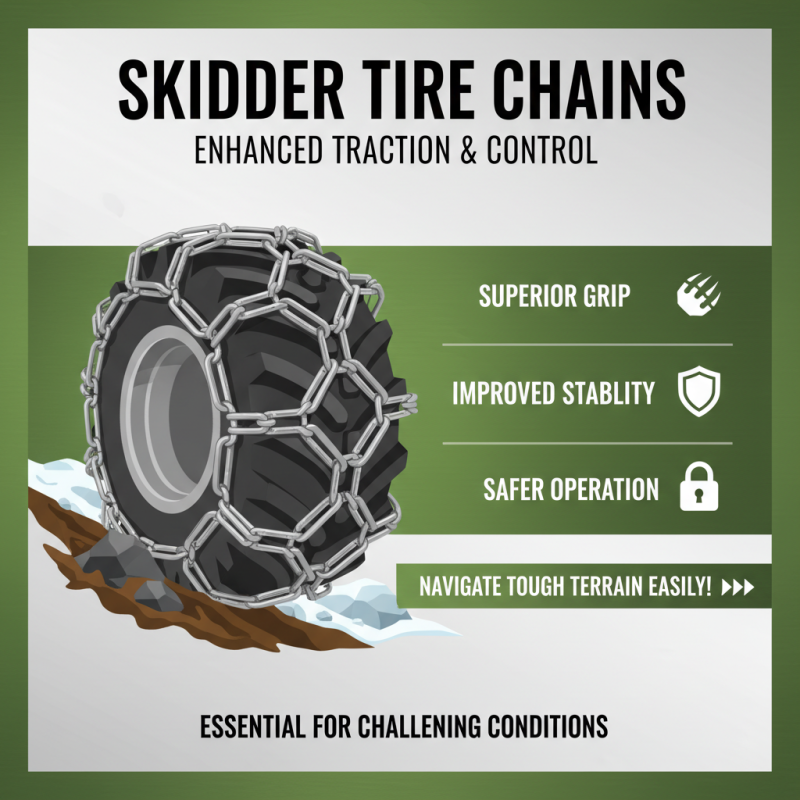
Skidder tire chains are essential for forestry and logging equipment. They enhance traction, especially in muddy or snowy conditions. The chains wrap around the tires, providing grip against slippery surfaces. This is vital for skidder operations, where moving heavy logs is common. Without proper traction, accidents can occur. Poor grip can lead to vehicle instability, causing delays and hazards.
The benefits of skidder tire chains go beyond traction. They help distribute weight evenly across the tires. This reduces tire wear, increasing their lifespan. Operators often notice improved control over the skidding process. Yet, installing chains can be challenging. It requires attention and dexterity. Some may struggle with fitting them correctly. Misalignment can affect performance.
Proper maintenance is also crucial. Chains should be inspected regularly for wear and tear. Weak links may compromise safety. Operators need to remember that while tire chains enhance performance, they require commitment. Understanding how to use and maintain them is part of safe operations. Ignoring these aspects can lead to costly problems.
Skidder tire chains are essential equipment for logging operations. They provide traction on slippery terrain, particularly in winter or muddy conditions. Different types of skidder tire chains vary in design and functionality. Understanding these options helps operators choose the best fit for their needs.
One popular type is the ladder chain. Ladder chains have a simple design, featuring cross links that create a grid-like pattern. This type offers good stability on soft ground. Reports indicate ladder chains can improve traction by up to 80% in adverse conditions. However, they may not perform as well on icy surfaces.
Another type is the diamond chain. These chains feature a more intricate design, which enhances grip on icy terrain. They wrap around the tire more closely, reducing slippage. Studies note that diamond chains can raise traction levels by as much as 90% in snowy environments. A downside is they may wear out faster than ladder chains on rough terrain.
Operators must weigh the pros and cons of each type. The choice often depends on the terrain and weather conditions. Making the right decision can drastically impact the efficiency of logging operations.
This chart showcases the durability ratings of different types of skidder tire chains. The data reflects how well each type performs in harsh conditions, aiding in the selection of the right chains for various logging and forestry applications.
Skidder tire chains are essential for enhancing traction and control. These chains are designed to grip the ground effectively. They provide more stability on slippery surfaces like mud and snow. When using a skidder in challenging conditions, chains can make a big difference. Without them, skidders may struggle to move efficiently or safely.
Tips for better traction: ensure tire chains fit snugly and are properly tensioned. Loose chains can slip off or damage tires. Inspect your chains regularly for wear and tear. Avoid using damaged chains, as they can compromise safety. Always remove chains when you’re on dry pavement to avoid unnecessary wear.
Using skidder tire chains helps manage heavy loads and tricky terrains. However, not everyone may know how to install them correctly. It’s a task that requires patience and attention. Begin by laying the chains flat and checking for twists. This small step can prevent headaches later on. It's surprising how a simple oversight can hinder performance and safety.
Skidder tire chains are essential for logging operations. They provide traction on slippery terrain. Installing these chains can be tricky. Proper steps are crucial for safety and efficiency.
Begin by selecting the right chains for your skidder tires. Look for a good fit. This will help prevent damage during use. Position the chains in front of the tire. Make sure to evenly distribute the chain around it. Fasten the tensioners securely. Loose chains can come off while driving. Adjust them as needed to ensure a snug fit.
Maintenance is vital for durability. Inspect the chains regularly for wear and tear. Look for broken links or rust. Replace any damaged sections immediately. Clean the chains after use to prevent buildup. It’s easy to forget this step, but it drastically extends their life. Store chains in a dry place, away from moisture. This will help them last longer.
These tips can enhance your skidder performance. However, mistakes happen. Establish a routine for checking your work. It’s better to catch problems early than face accidents later.