• Facebook
  • Instagram
  • YouTube
  • Alibaba
Search

10 Essential Tips for Choosing Polyester Composite Straps for Your Needs?

When selecting the right Polyester Composite Strap for your specific needs, the decision can be daunting. Expert Larry Jenson, a leading figure in the strapping industry, notes, “Choosing the right strap is crucial for ensuring safety and efficiency.” Polyester composite straps are known for their strength and flexibility, making them popular in various applications.

A suitable strap not only ensures the security of your cargo but also contributes to overall operational efficiency. However, many users still struggle with choosing the right product. Consider the specific uses you have in mind. Are you securing heavy loads or delicate items? Reflect on the environments in which you will operate.

Inadequate knowledge about the characteristics of Polyester Composite Straps can lead to costly mistakes. It is vital to explore the material's properties, including its tensile strength, elongation, and resistance to environmental factors. Expert guidance can illuminate the nuances that might seem trivial but are critical in achieving reliability and performance.
10 Essential Tips for Choosing Polyester Composite Straps for Your Needs?

Understanding the Composition and Benefits of Polyester Composite Straps

Polyester composite straps are increasingly popular in various industries. They are strong and lightweight, making them ideal for securing loads during shipping. Understanding their composition is essential for making informed choices. These straps consist of polyester fibers coated with a protective layer, enhancing their durability and resistance to environmental elements.

The benefits of polyester composite straps are significant. They offer high tensile strength, which helps in securing heavy loads without the risk of breakage. Their resistance to UV rays and moisture makes them suitable for outdoor use. However, potential flaws exist. For instance, while they perform well under many conditions, excessive heat can weaken their structure. Users must consider the specific conditions their straps will face.

Choosing the right polyester composite strap involves assessing your needs. Are you handling delicate items or heavy machinery? The strap's composition can affect its performance. Some may underestimate the importance of proper storage. Improperly stored straps could degrade faster. Take time to evaluate all aspects before making a selection.
Key Performance Characteristics to Consider in Polyester Straps

10 Essential Tips for Choosing Polyester Composite Straps for Your Needs?

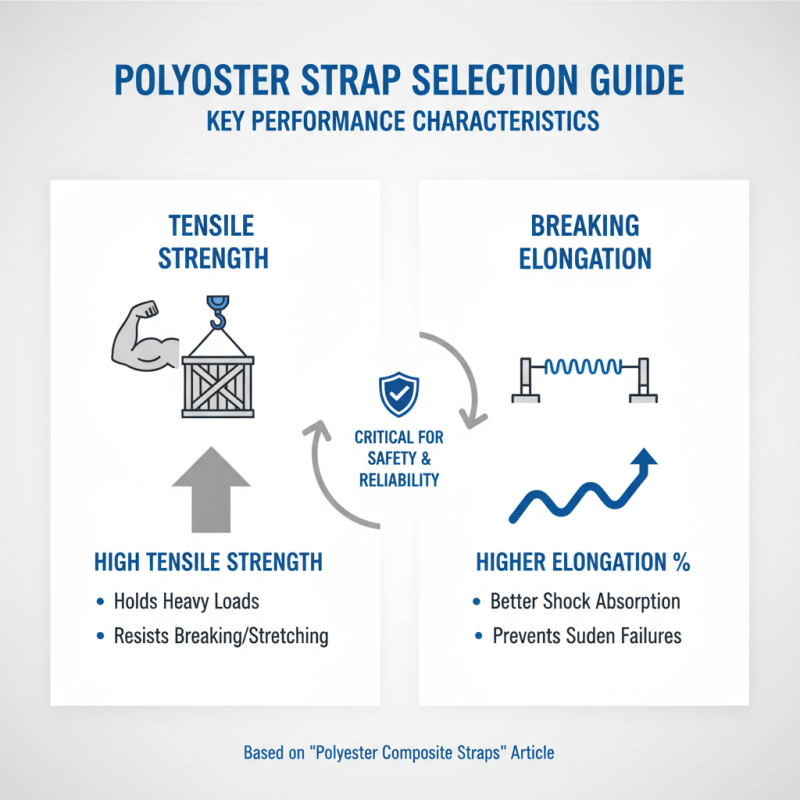
When selecting polyester composite straps, you must consider several key performance characteristics. The strength of the strap is paramount. Look for straps that offer high tensile strength. This ensures they can hold heavy loads without breaking or stretching excessively. A strap's breaking elongation is also crucial. A higher elongation percentage indicates better shock absorption. Too little elongation can lead to sudden failures under stress.

Another vital characteristic is resistance to environmental factors. Polyester straps should resist UV rays and moisture. This prevents degradation over time, ensuring longevity and reliability for your applications. Pay attention to the weight-to-strength ratio as well. Lightweight straps can ease handling and improve efficiency during transport. However, don't compromise on strength, as this could lead to future issues.

Compatibility with various tools can also play a role in your choice. Check if the straps work seamlessly with your existing equipment. It's a common oversight to ignore this detail. Choosing the wrong type may hinder operations. Always keep in mind that proper training on strap usage can enhance performance. Even the best strap can fail without appropriate handling.

Comparing Strength and Durability Metrics of Different Strap Options

When selecting polyester composite straps, strength and durability are crucial metrics to consider. Straps vary significantly in their load-bearing capacity. Knowing how much weight the strap can handle is essential. For example, choose a strap that can withstand at least 20% more than your typical load. This cushions against sudden stress.

Tips: Look for straps with UV resistance. Straps exposed to sunlight can degrade over time. Ensure they can perform well in extreme temperatures too. Some straps may be strong but lose flexibility in cold weather.

Durability metrics often include abrasion resistance and tensile strength. Straps that resist wear will last longer under consistent use. Be mindful of the material composition. Some polyester composites are blended with other fibers for higher durability. This blend can make a significant difference in performance.

Also, consider environmental factors. If the straps will be used in humid conditions, check how moisture affects their integrity. Always conduct a hands-on test where feasible. Gauge the feel and texture of the strap. A thoroughly tested strap can yield better real-world results, despite theoretical strength ratings.

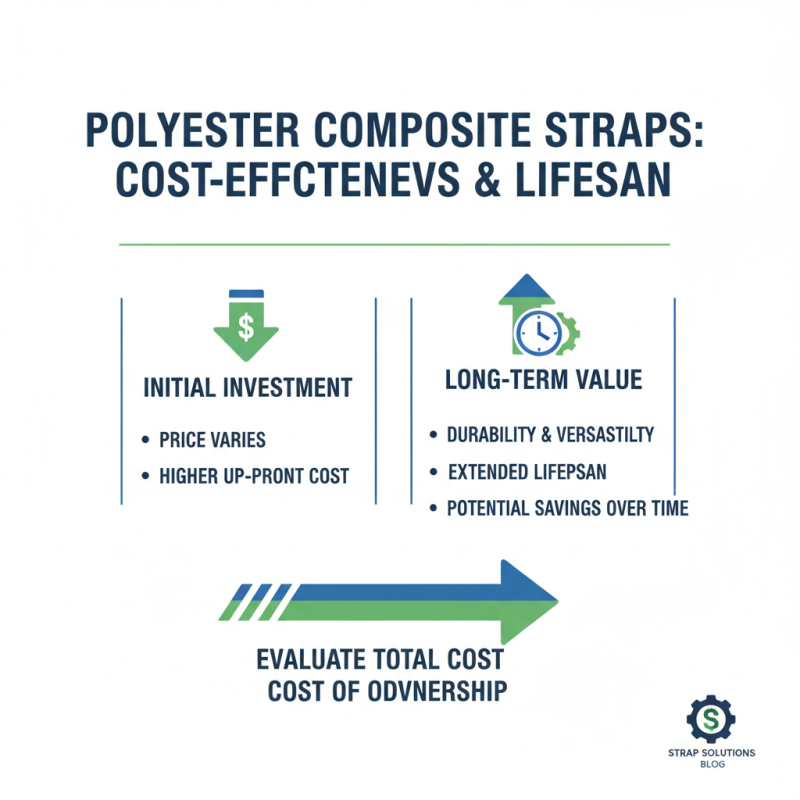
Evaluating Cost-Effectiveness and Lifespan of Polyester Composite Straps

10 Essential Tips for Choosing Polyester Composite Straps for Your Needs?

When selecting polyester composite straps, evaluating cost-effectiveness is crucial. These straps offer durability and versatility. However, their price can vary. Consider long-term usage versus initial investment. A more expensive strap might save money over time through increased lifespan.

Lifespan is another key factor. High-quality polyester composite straps typically last longer than cheaper alternatives. They resist wear and tear better. Yet, not all products labeled as "high-quality" truly deliver. It's vital to research materials used. Look for information on manufacturing processes and user reviews, as this adds credibility.

Finding a balance between cost and durability requires careful thought. Look for warranties or guarantees offered by suppliers. Cheap options may seem attractive but could lead to costly replacements. Ultimately, invest time into understanding your specific needs and the characteristics of the straps. Consider how often and in what conditions you'll use them.

Best Practices for Selecting the Right Width and Thickness for Your Needs

When choosing polyester composite straps, width and thickness play a critical role in performance and safety. According to industry research, straps need to fit the specific application requirements. A common mistake is selecting straps that are too wide or too thin, impacting load stability.

For lighter loads, a strap width of 1-2 inches is often sufficient. However, thicker options are preferable for heavier loads. Straps of 0.5 inches in thickness can usually handle much lighter weights. Research indicates that the tensile strength of the straps correlates directly with thickness. Opting for straps with adequate strength ratings helps prevent failures during shipping or storage.

It's vital to assess the materials being transported. Uneven weight distribution may require wider straps for stability. Examining the manufacturer's specifications and testing methods is essential. Often, different manufacturers have varying tensile strengths even for similar dimensions. Therefore, ensure you verify the strength ratings provided. Making informed decisions reduces risks and improves safety in operation. Remember that the right width and thickness are not just technical specifications but pivotal elements that facilitate efficiency and security in logistics.

Polyester Composite Straps Selection: Width vs. Thickness