10 Essential Tips for Choosing the Right Polyester Composite Strap
In the competitive world of logistics and shipping, selecting the right Polyester Composite Strap is crucial. According to industry expert David Miller, "The choice of straps can make or break your packaging efficiency." His insight emphasizes the importance of making informed decisions.
Choosing a Polyester Composite Strap involves various factors. The strap’s tensile strength, durability, and resistance to environmental factors are essential. A strap that fails can lead to damaged goods and increased costs. It’s vital to assess these features objectively.
However, many overlook subtle details. For instance, various manufacturers provide differing qualities and specifications. It’s easy to assume that all straps are the same. Yet, a slight difference in width or material can lead to significant impacts. Reflecting on these aspects is essential for success.
Understanding Polyester Composite Straps: A Comprehensive Guide
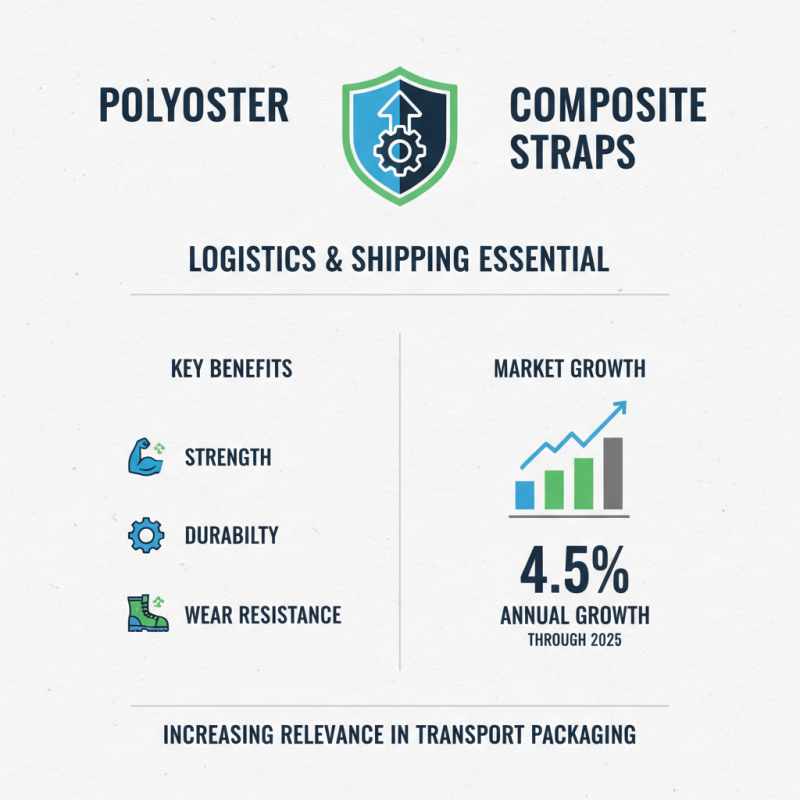
Polyester composite straps are crucial for various industries, including packaging and transport. They offer benefits like strength, durability, and resistance to wear. According to a market research report, the demand for polyester straps is expected to grow by 4.5% annually through 2025. This underscores their increasing relevance in logistics and shipping.
When selecting composite straps, consider their tensile strength. Straps with a higher tensile strength provide better load support. A report from the Packaging Institute indicated that improper strapping leads to 15% of shipment damages. So, investing in quality straps is essential for protecting products during transit.
Additionally, the UV resistance of polyester straps can vary. Straps exposed to sunlight may degrade faster. Some manufacturers do not provide adequate information about UV ratings. This can lead to unexpected failures. Be cautious and seek transparently labeled products. In this competitive market, staying informed is key to making the right choice.
Evaluating the Durability and Weather Resistance of Polyester Straps
When selecting a polyester composite strap, evaluating its durability and weather resistance is crucial. Polyester straps are known for their strength and resilience. They can withstand harsh elements, making them ideal for outdoor use. Look for straps that specifically mention UV resistance and water repellency. This ensures they won't degrade when exposed to sun or rain.
One essential tip is to consider the thickness of the strap. Thicker straps often mean added durability. However, they can also be bulkier. Strike a balance between weight and strength. Pay attention to the stitching as well. Double-stitched seams usually offer better support and longevity.
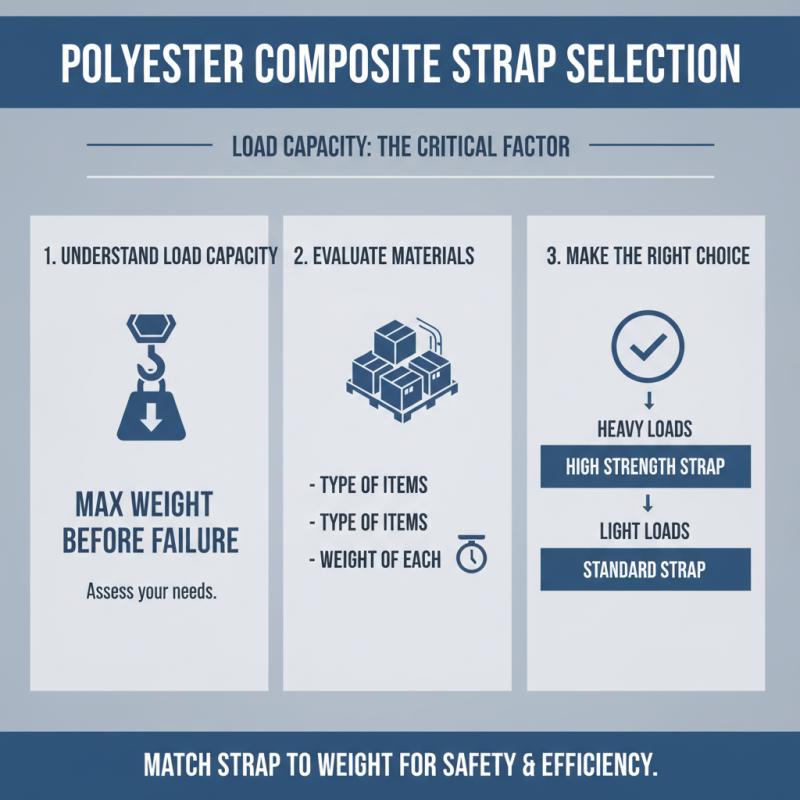
Another aspect to think about is the weight capacity. A strap that can hold more weight will last longer under stress. Test the strap under gradually increasing weights to find its limits. This trial helps assess both durability and performance. Over time, you may find some straps perform poorly after a few uses. Reflect on these experiences to refine your choice for future projects.
Comparing Different Weaves and Thicknesses of Polyester Composite Straps
When selecting a polyester composite strap, the weave and thickness are crucial. Different weaves offer varying levels of flexibility and strength. For instance, a tighter weave might be more durable but could lack agility. This can be problematic in certain applications. On the other hand, a looser weave allows for more movement but might not support heavy loads as effectively.
Thickness plays a key role too. A thicker strap can handle more weight. However, it can be less user-friendly. It may not fit in all areas or apply easily. A thinner strap is lighter and easier to manage. Yet, it might not withstand the same pressure. Trade-offs exist, and these must be considered carefully. The right choice depends on the specific needs of your task.
Experimentation can lead to unexpected results. Users often find that what they thought worked best doesn't hold up under pressure. It’s essential to test different combinations to see what suits your requirements. Keeping an open mind can lead to better options. Pay attention to material properties and construction. Each detail affects performance in ways that are not always apparent at first glance.
10 Essential Tips for Choosing the Right Polyester Composite Strap
| Weave Type |
Thickness (mm) |
Breaking Strength (kg) |
Weight (g/m) |
Recommended Application |
| Plain Weave |
1.5 |
750 |
220 |
Light duty cargo securing |
| Satin Weave |
2.0 |
900 |
280 |
Medium duty cargo applications |
| Twill Weave |
2.5 |
1200 |
350 |
Heavy duty cargo securing |
| Fiber Reinforced |
3.0 |
1500 |
400 |
Extreme duty applications |
| Double Weave |
2.8 |
1300 |
370 |
Warehouse and logistics |
Identifying the Right Buckles and Accessories for Polyester Strapping
Choosing the right buckles and accessories is crucial for effective polyester strapping. A poorly chosen buckle can compromise the integrity of your entire packaging process. According to a report by the Packaging Machinery Manufacturers Institute (PMMI), 40% of packaging failures stem from incorrect securing methods.
When selecting buckles, consider their tensile strength. A buckle should match or exceed the strap's strength. For example, a strap rated for 1,200 pounds needs a buckle that can handle at least the same load. Choosing weak or incompatible accessories can lead to costly reworks. Additionally, assess the material of the buckles. Metal and high-grade plastic buckles serve different purposes. Using a metal buckle in corrosive environments can lead to failures.
Accessories like tensioners also play a significant role. An inadequate tensioner can lead to loose straps, resulting in product damage. The right tension tool improves efficiency and reduces waste. However, the market lacks transparency about product specifications. Many manufacturers do not provide enough data to make informed decisions. Users must be cautious and seek detailed product information. Aim for components designed specifically for polyester strapping. This ensures compatibility and performance.
10 Essential Tips for Choosing the Right Polyester Composite Strap
This chart illustrates the importance ratings of various criteria to consider when choosing the right polyester composite strap. Each factor plays a crucial role in ensuring the effectiveness and suitability of the strap for various applications.