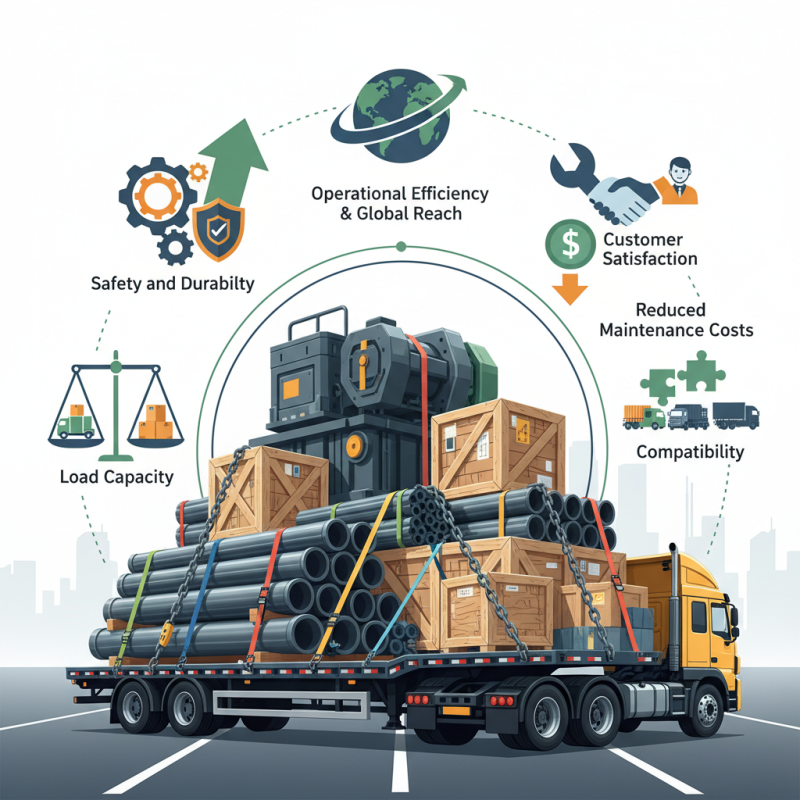
Choosing the right Flatbed Trailer Supplies is crucial for businesses involved in logistics and transportation. A flatbed trailer is an essential tool for efficiently transporting oversized, heavy, or awkwardly shaped goods. When selecting the right supplies, businesses must consider various factors such as load capacity, durability, and compatibility with their existing fleet. Each of these elements plays a significant role in ensuring the safe delivery of products and maintaining operational efficiency.
Moreover, investing in high-quality Flatbed Trailer Supplies not only enhances safety but also reduces maintenance costs over time. Poorly made or inadequately sized supplies can lead to accidents or damage to cargo, ultimately affecting a company's bottom line. By prioritizing the selection of appropriate flatbed trailer supplies, businesses can secure their assets, improve service reliability, and foster customer satisfaction. In a competitive market, making knowledgeable decisions about flatbed trailer supplies is a step towards ensuring sustainable success and growth.
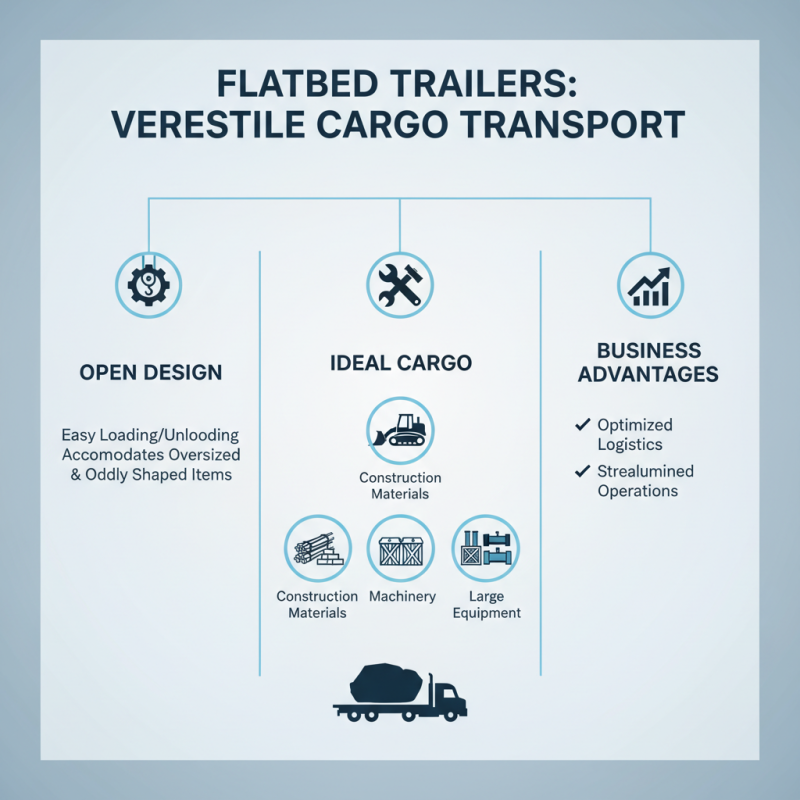
Flatbed trailers play a crucial role in the transportation industry, serving as a versatile solution for moving various types of cargo. Their open design allows for easy loading and unloading, making them ideal for transporting oversized or oddly shaped items that would not fit within the confines of a standard enclosed trailer. This flexibility is especially important for businesses dealing with construction materials, machinery, or large equipment, as it enables them to optimize their logistics and streamline operations.
Moreover, the importance of flatbed trailers extends beyond their physical design. They contribute significantly to the efficiency of supply chains by accommodating a diverse range of goods, from raw materials to finished products. The ability to transport heavy loads without compromising structural integrity ensures that businesses can rely on flatbed trailers for their most demanding shipping needs. As the economy grows and the demand for fast delivery increases, investing in high-quality flatbed trailer supplies becomes essential for companies looking to maintain a competitive edge and meet customer expectations effectively.
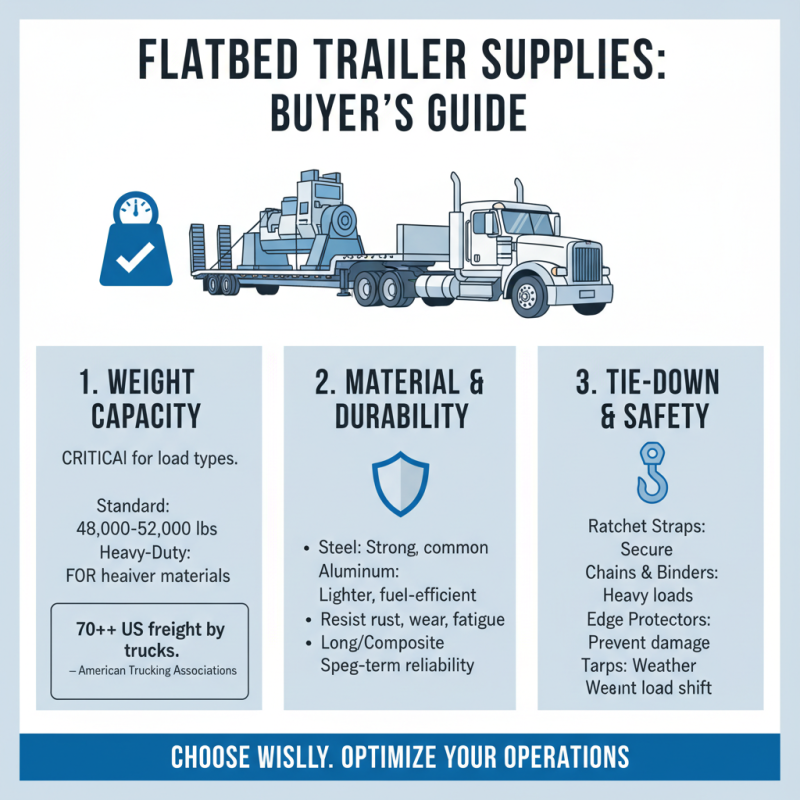
When it comes to selecting flatbed trailer supplies for your business, several key factors come into play to ensure you make an informed decision. First, the weight capacity of the trailer is critical, as it directly affects the types of loads you can transport. According to the American Trucking Associations, more than 70% of freight in the U.S. is transported by trucks, highlighting the importance of a robust and reliable trailer that can handle your business's specific demands. A standard flatbed trailer can typically support loads between 48,000 and 52,000 pounds, but for businesses that deal with heavier materials, investing in heavy-duty options becomes essential.
Additionally, the construction material of the flatbed trailer supply can impact durability and maintenance costs. For instance, trailers made of steel may offer greater strength but weigh more, which can affect fuel efficiency. On the other hand, aluminum trailers might be lighter and more fuel-efficient, but they could be more susceptible to damage over time. According to industry reports, maintaining a flatbed trailer can account for up to 12% of its total cost over its lifespan, underscoring the need for a durable and well-constructed option that aligns with your budget and operational needs. Balancing these considerations ensures that you invest in flatbed trailer supplies that will enhance your business's efficiency and productivity.
Flatbed trailers are versatile and essential for various industries, serving a multitude of purposes based on their design and configuration. Understanding the different types of flatbed trailers can significantly enhance operational efficiency and ensure that specific transportation needs are met. For instance, a standard flatbed trailer is ideal for general cargo, allowing for easy loading and unloading from all sides, making it suitable for transporting lumber, steel, and heavy machinery.
Another type is the drop deck flatbed trailer, which features a lowered deck to accommodate taller loads while maintaining a legal height for transport. This design is particularly beneficial for delivering commercial equipment such as construction machinery or oversized freight that would otherwise exceed standard height restrictions. Additionally, specialized flatbed trailers like the extendable flatbed provide further adaptability, allowing businesses to transport longer items, such as pipes or beams, effectively. Selecting the appropriate type of flatbed trailer according to the specific requirements of your cargo is crucial in maintaining productivity and minimizing transportation risks.
Selecting the appropriate flatbed trailer supplies is crucial for businesses that rely on transportation. One of the most significant factors to consider is the cost implications associated with these choices. Opting for high-quality materials and components, although potentially more expensive upfront, can lead to substantial savings in the long run. Durable trailers require less frequent repairs and replacements, minimizing unexpected downtime and maintenance costs. This reliability translates into improved operational efficiency, which is essential for maintaining competitive pricing and customer satisfaction.
Furthermore, businesses should evaluate how different trailer supplies can affect logistics expenses. For instance, lightweight materials may reduce fuel consumption during transport, while enhanced loading features can streamline operations, saving labor costs and time. The initial investment in better trailer supplies not only increases the lifespan of the equipment but also contributes to overall operational effectiveness. Ultimately, the right choice in flatbed trailer supplies ensures that a business maintains or improves its profit margins while successfully meeting the demands of a dynamic market.
| Trailer Type | Average Cost | Load Capacity (lbs) | Maintenance Cost/Year | Durability (Years) |
|---|---|---|---|---|
| Standard Flatbed | $15,000 | 48,000 | $500 | 10 |
| Extreme Duty Flatbed | $25,000 | 60,000 | $750 | 15 |
| Drop Deck Flatbed | $20,000 | 50,000 | $650 | 12 |
| Lowboy Trailer | $30,000 | 70,000 | $900 | 20 |
Choosing the right flatbed trailer supplies can significantly impact your business's efficiency and safety. According to industry reports, businesses that invest in high-quality trailer components experience an up to 30% reduction in downtime due to equipment failure. This is crucial, as inefficiency not only hampers productivity but also increases operational costs. Quality supplies contribute to smoother loading and unloading processes, enhancing turnaround times and overall service delivery.
Moreover, safety is a paramount concern in the transportation industry. Data shows that 50% of road accidents involving heavy vehicles are attributed to equipment failure. By selecting durable and reliable flatbed trailer supplies, companies can minimize the risk of accidents, ensuring safer operations for both drivers and other road users. Implementing regular maintenance and inspections can further bolster safety, but the foundation is always the quality of the supplies you choose.
Tips: When sourcing flatbed trailer supplies, consider investing in materials that meet or exceed industry standards. Always ask for documentation proving the quality compliance of the components. Additionally, maintain a regular maintenance schedule to prolong the lifespan of your equipment and maintain optimal safety standards. Prioritizing quality supplies not only supports your business's efficiency but also ensures a safer working environment.