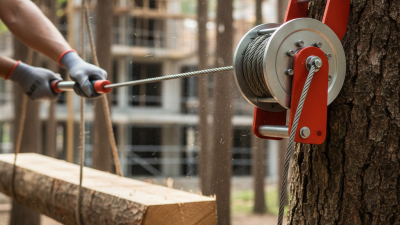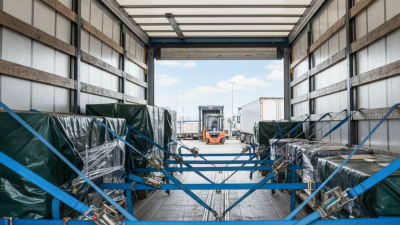
Choosing the right Stainless Steel Rigging Hardware is essential for the success of your projects. The quality of the hardware impacts safety and performance. It’s not just about aesthetics; functionality matters too.
Many factors influence your decision. The type of stainless steel, corrosion resistance, and load ratings are crucial. Understanding these elements helps ensure reliability over time. In the marine environment, for instance, you need hardware that withstands saltwater exposure.
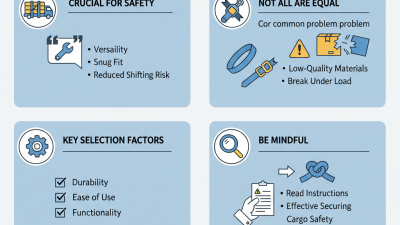
Remember, not all rigs are created equal. Some may look sturdy but can fail under pressure. Researching brands and reading reviews builds confidence in your choices. Missteps can be costly and dangerous. Invest time in selecting the best Stainless Steel Rigging Hardware to guarantee your project's success.
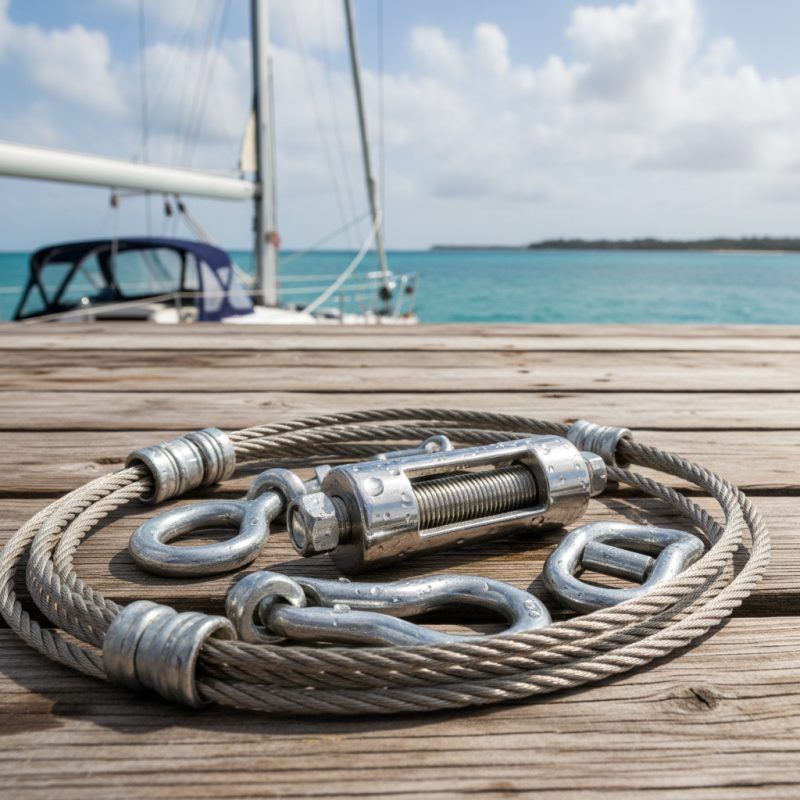
When selecting stainless steel rigging hardware, understanding the types available and their specific applications is crucial. Stainless steel fittings often come in various grades, such as 304 and 316, with 316 offering better corrosion resistance for marine environments. This makes it suitable for boats and other watercraft. On the other hand, 304 may suffice for general outdoor use where exposure to moisture is limited.
Another key component is the type of rigging needed. Shackle types include D-shackles, bow shackles, and snap shackles, each serving unique functions. D-shackles provide strength for static applications, while bow shackles allow for more versatility in load distribution. Additionally, the choice of rigging hardware should consider the load capacity and safety factors specific to your project. By reflecting on these elements, you can make informed decisions.
Different projects may require additional hardware, such as turnbuckles and eye bolts. These components help in adjusting tension and connecting various rigging elements. However, it's not uncommon for users to overlook the compatibility between parts. This oversight can lead to inefficiencies. Always ensure that each component is not just of high quality but also suitable for your specific needs.
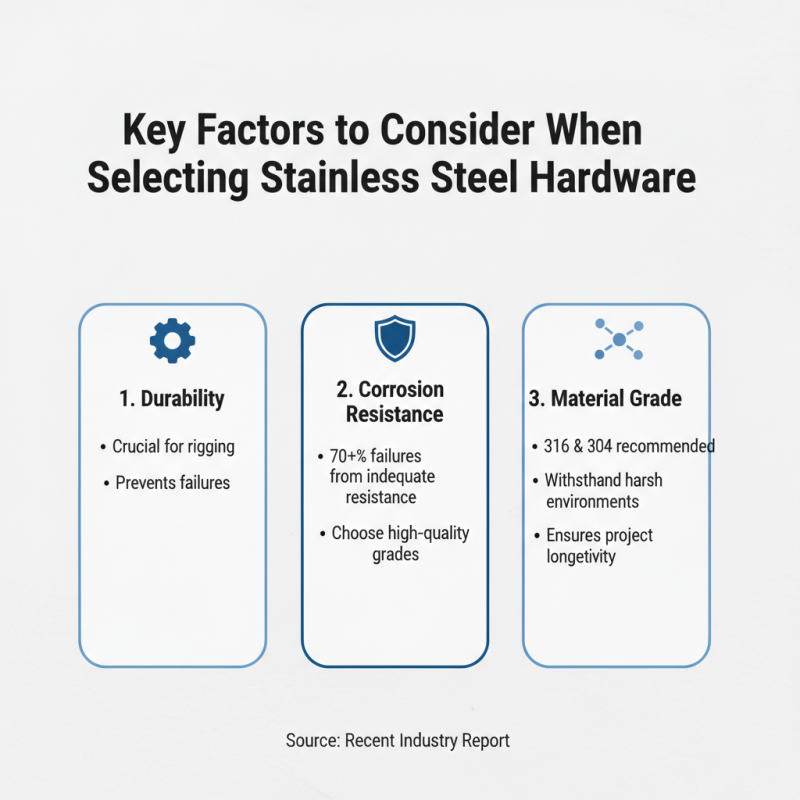
When selecting stainless steel rigging hardware, durability is key. According to a recent industry report, over 70% of rigging failures occur due to inadequate corrosion resistance. This highlights the significance of choosing hardware with high-quality grades of stainless steel, such as 316 or 304. These grades are specifically designed to withstand harsh environments and resist rust. A clear understanding of these materials can significantly impact your project's longevity.
Weight capacity is another critical factor. Each rigging component has specific load ratings that must match your project’s requirements. Failing to adhere to these ratings could lead to equipment failure or safety hazards. A study by the American Rigging Association shows that nearly 25% of accidents involve overloaded hardware. It's essential to evaluate all individual components within the rigging assembly to ensure safe operation.
The design and compatibility of the hardware can also play a vital role in its performance. Misalignments can lead to increased wear and tear. Consider the shackle pin types and the link design carefully. Different designs can influence how forces are distributed across the rigging system. Observing rigging best practices can greatly reduce unforeseen issues. Choosing the right hardware might seem straightforward, but it requires attention to detail and an understanding of your specific needs.
When selecting stainless steel rigging hardware, the material's corrosion resistance is vital. Different grades of stainless steel offer varying levels of protection. According to industry data, type 316 stainless steel is preferred in marine environments due to its high corrosion resistance, especially against saltwater. It contains molybdenum, which enhances its durability. In contrast, type 304 is commonly used for indoor applications but may corrode more easily in harsh conditions.
Evaluating the quality of stainless steel helps ensure reliability. Look for certifications like ASTM and ISO standards, which indicate adherence to specific manufacturing processes. A study revealed that improperly treated stainless steel can lose up to 50% of its strength over time. This raises concerns about safety and efficiency. Regular inspection of hardware is essential. Signs of corrosion or wear can indicate material degradation, leading to failures in critical applications.
Incorporating quality assessments into your project planning can prevent future issues. Understanding the lifespan and limitations of materials reduces risk. Consider the environments where your rigging hardware will be used. Failure to account for these factors may lead to costly mistakes or hazardous situations. Rigging hardware is not merely a choice but a commitment to safety and performance.
| Hardware Type | Material Grade | Corrosion Resistance | Typical Applications | Durability Rating |
|---|---|---|---|---|
| Shackles | AISI 316 | Excellent | Marine, Sailing | High |
| Turnbuckles | AISI 304 | Good | Rigging, Structural | Moderate |
| Eye Bolts | AISI 316 | Excellent | Industrial, Marine | High |
| Snap Hooks | AISI 304 | Good | Safety, Climbing | Moderate |
| Rigging Plates | AISI 316 | Excellent | Sailing, Heavy Load | High |
When selecting stainless steel rigging hardware, sizing and load capacity are crucial. Proper sizing ensures that each component can handle the intended load without risk of failure. According to industry standards, the working load limit (WLL) for stainless steel rigging components is often calculated as one-fifth of the breaking strength. This means that if a component can withstand 1,000 pounds, its WLL is 200 pounds. Understanding these metrics is essential for safe rigging solutions.
When assessing load capacity, consider factors such as the type of load and application environment. Different configurations may alter how the load is shared among components. For example, using multiple rigging points can distribute weight more evenly, improving overall safety. However, misuse or overloading can lead to catastrophic failures. Always double-check specifications before finalizing hardware choices.
Tips: Measure load requirements accurately. Allow for dynamic loads, especially in changing environments. Use safety factors that account for unexpected stresses. Regularly inspect your rigging hardware for wear and tear. A few moments spent assessing components can prevent disasters. Always keep learning about rigging best practices. Each project may present new challenges that require thoughtful decisions.
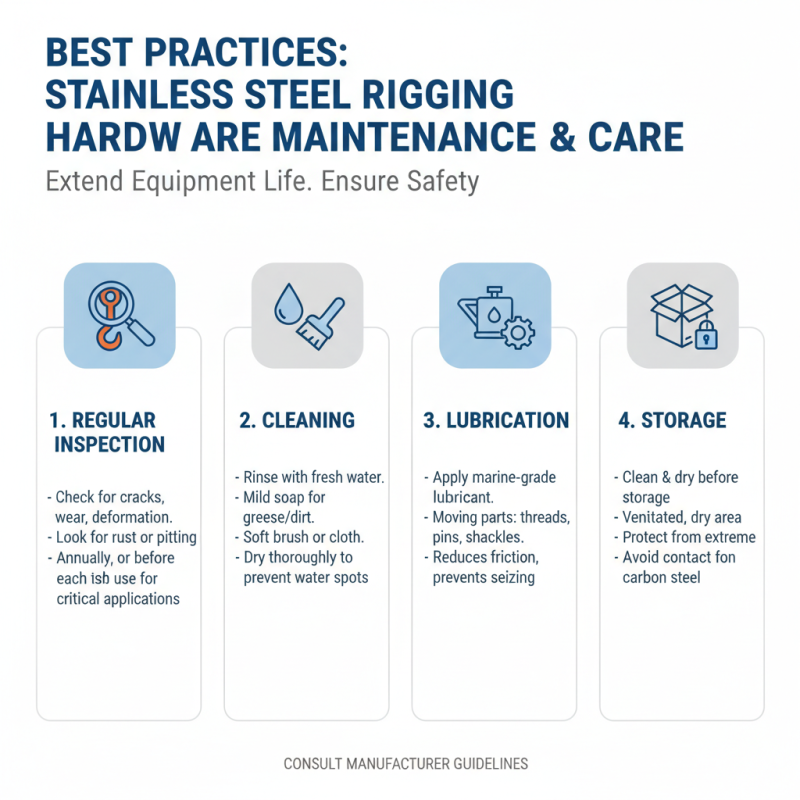
Stainless steel rigging hardware is vital for many projects. However, maintaining it properly is often overlooked. Regular care extends the life of this equipment.
Routine inspections are crucial. Look for signs of wear or corrosion. Be diligent in checking connections and fittings. If you find any rust, treat it immediately. Use a suitable cleaning solution to remove contaminants. A gentle scrub with a soft brush can help maintain the finish.
Always store your hardware in a dry place. Moisture can lead to premature corrosion. After use, clean your rigging hardware and dry it thoroughly. Use a soft cloth to wipe off any remaining moisture. Remember, neglect can lead to more significant issues later on. Prioritize maintenance to ensure safety and performance.
Tips: Apply a protective coating for added defense. Always wear gloves when handling to avoid oils from your skin. This simple practice can enhance longevity and performance.