• Facebook
  • Instagram
  • YouTube
  • Alibaba
Search

How to Choose the Best Over Centre Buckle for Your Needs?

Choosing the right Over Centre Buckle is essential for various applications. With the abundance of options available, it can feel overwhelming. These buckles offer secure fastening solutions for many industries, from automotive to outdoor gear. Each type provides unique features and advantages.

Understanding your specific needs is the starting point. Consider factors like load capacity, material, and ease of use. It is surprising how many overlook these details. Selecting the wrong buckle could lead to inefficiency or even safety issues.

This guide will help streamline your decision-making process. The aim is to empower you with knowledge. You deserve a product that meets your expectations and requirements. Remember, not every buckle is the best for your application. Take the time to reflect on your choices, ensuring they align with your practical needs.
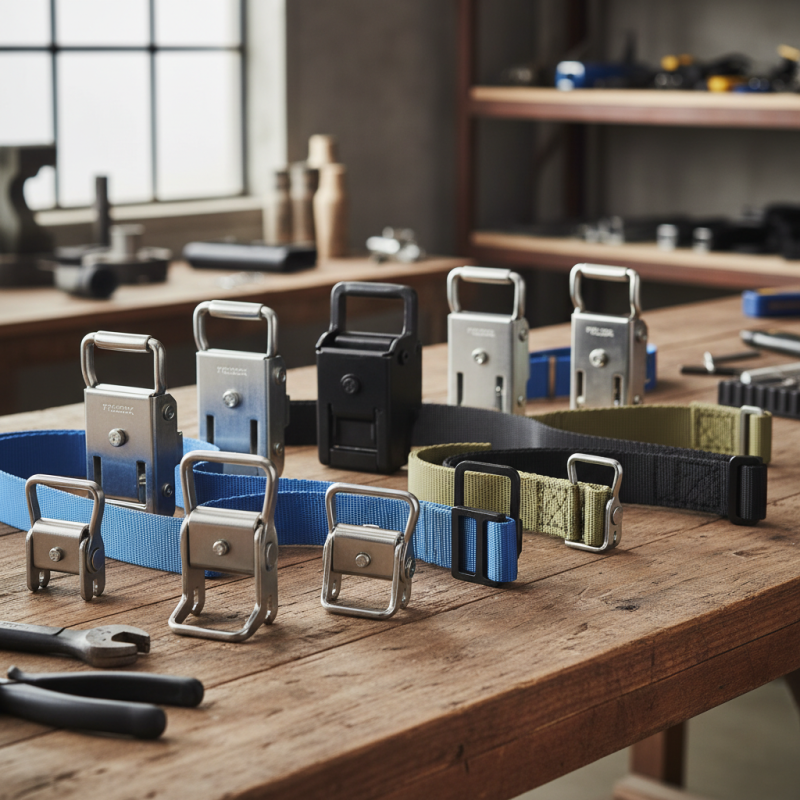
How to Choose the Best Over Centre Buckle for Your Needs?

Understanding Over Centre Buckles and Their Uses

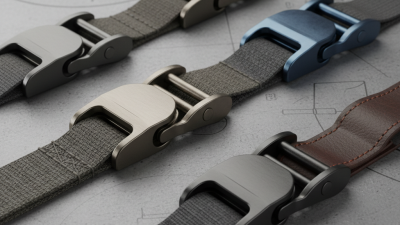
Over centre buckles play a significant role in various applications, from securing loads to enhancing safety. These buckles are designed to lock in a certain position, making them reliable for heavy-duty use. Understanding their structure helps users select the most appropriate buckle for their needs. The mechanism involves a central pivot that enables the buckle to clamp tightly when engaged. This design ensures stability, particularly in transportation and outdoor settings.

Users often encounter challenges when choosing the right over centre buckle. It’s crucial to consider factors like material, size, and load capacity. A lightweight plastic buckle may suffice for small items, while robust metal versions are better for heavier loads. However, users may overlook maintenance. Regular checks for wear and tear can prevent accidents. Additionally, the installation process should be straightforward and not require specialized tools.

While selecting a buckle, seek out detailed specifications. This will ensure it meets your requirements. However, personal preferences and specific uses may vary, leading to potential mismatches. Taking time to reflect on these aspects can save future frustrations. The goal is to find a balance between functionality and usability in every situation.
Factors to Consider When Choosing an Over Centre Buckle

When selecting the best over-centre buckle, consider the intended application. Different industries use various buckle types. Some require heavy-duty strength, while others prioritize lightweight designs. Understanding your specific needs is crucial.

Material is another important factor. Metal buckles offer durability but can add weight. Plastic options are lighter but may not withstand high tension. Evaluate the environment where the buckle will be used. Exposure to moisture or chemicals can affect performance.

Lastly, ease of use matters. Some buckles are more intuitive than others. Look for a design that minimizes the risk of accidental release. Balancing functionality and user-friendliness can improve overall satisfaction. Be mindful that even the best options might have limitations. Regular checks and maintenance ensure reliability over time.

How to Choose the Best Over Centre Buckle for Your Needs?

Different Materials Used in Over Centre Buckles

When choosing the right over centre buckle, understanding the materials used is crucial. Commonly, these buckles are crafted from steel, aluminum, or plastics. Steel buckles provide unmatched strength, making them ideal for heavy-duty applications. They resist wear and are often corrosion-resistant. This makes them suitable for outdoor and industrial environments where durability is key.

Aluminum buckles are lightweight and offer decent strength. They are often preferred in applications where weight savings are essential, such as in aviation or certain transportation sectors. According to a report by the Materials Research Society, aluminum buckles can be up to 30% lighter than steel counterparts while still performing well under moderate loads. However, they may not withstand extreme conditions as effectively.

Plastics are also widely used in over centre buckles. Innovations in polymer technology have led to the creation of high-strength plastic options. These materials can be both lightweight and cost-effective. However, they can be less reliable than metal under high-stress conditions. A user must assess their specific needs. Balancing weight, cost, and strength is essential. A well-informed decision can lead to better performance and safety in your applications.

Weight Capacity and Load Testing of Over Centre Buckles

Selecting the right over centre buckle requires understanding weight capacity and load testing. These elements ensure that the buckle can handle your specific needs safely. When you're dealing with heavy loads, the right buckle is essential for secure fastening.

Weight capacity refers to the maximum load a buckle can safely hold. It's important to check this specification before purchasing. Each application may have different requirements. Overloading a buckle can lead to failure and accidents. Always consult reliable sources for weight ratings.

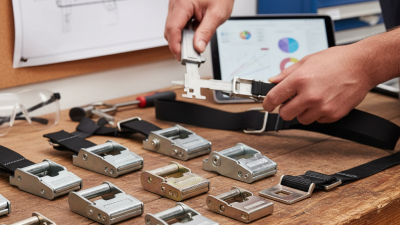
Load testing is vital for ensuring safety. Proper testing verifies that a buckle performs as expected under stress. Factors such as material quality and construction techniques play a significant role in durability. Testing should mimic real-life conditions to be effective.

Tips: Consider using a load cell to test your buckles. This device gives accurate readings on weight capacity. Regular inspections of your buckles can prevent failures. When in doubt about weight limits, choose a buckle with a higher capacity. Testing and maintaining your equipment can significantly enhance safety.

Installation and Maintenance Tips for Over Centre Buckles

How to Choose the Best Over Centre Buckle for Your Needs?

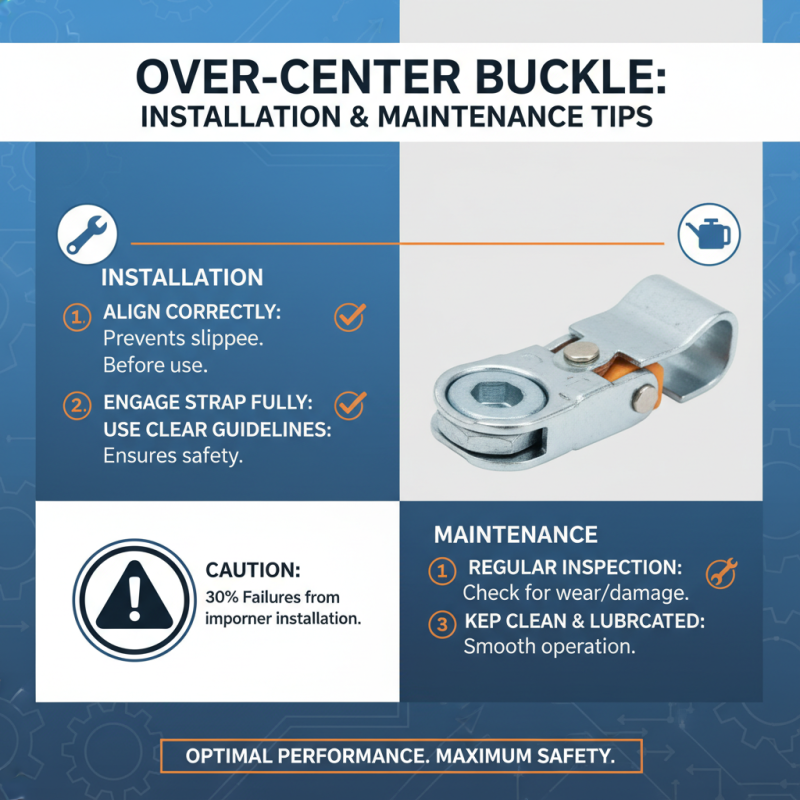
When it comes to over centre buckles, understanding proper installation and maintenance is crucial for optimal performance. Industry reports indicate that improper installation accounts for nearly 30% of equipment failures in securing loads. Ensure the buckle is correctly aligned to avoid slippage. Always check that the strap is fully engaged before use. A misaligned buckle can lead to significant safety hazards. Clear installation guidelines are essential for any operation involving over centre buckles.

Regular maintenance is also vital. Inspect the buckle for signs of wear or damage every few weeks. Studies show that about 40% of buckles fail due to corrosion or fatigue. A simple visual inspection can catch these issues early. Use a damp cloth to clean dirt from the buckle's surfaces. Avoid abrasive cleaners that can wear down the material. Keep an eye on cable ties and straps, as they can degrade more quickly. By staying proactive, you can extend the lifespan of your buckles and ensure safety in your applications.