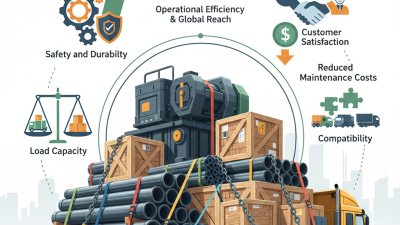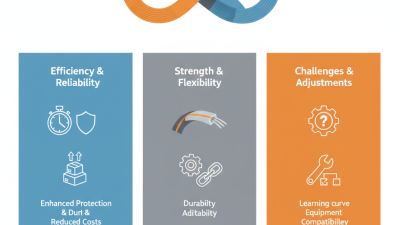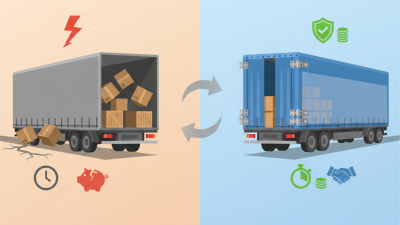
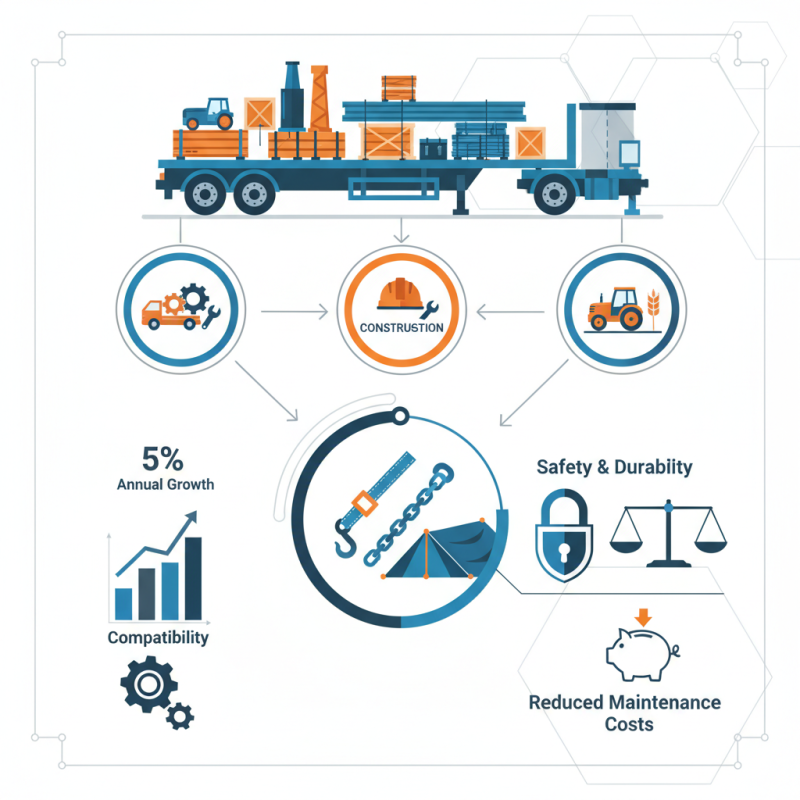
Choosing the right flatbed trailer supplies is crucial for efficiency and safety. The flatbed trailer market has experienced significant growth, with industry reports indicating a projected increase of 5% annually. This demand arises from sectors like logistics, construction, and agriculture. Each industry has specific requirements for material handling and transport.
Many buyers overlook essential features when selecting supplies. For instance, some underestimate the importance of load capacity and durability. A reliable flatbed trailer supply should withstand various conditions and heavy loads. Research shows that using quality materials significantly reduces maintenance costs over time.
It's also vital to consider compatibility with existing equipment. Mismatched supplies can lead to inefficiencies. While there are numerous options, not all can serve your needs effectively. Knowledge about your specific usage scenarios is essential for making informed choices. Investing time in research may save future headaches.
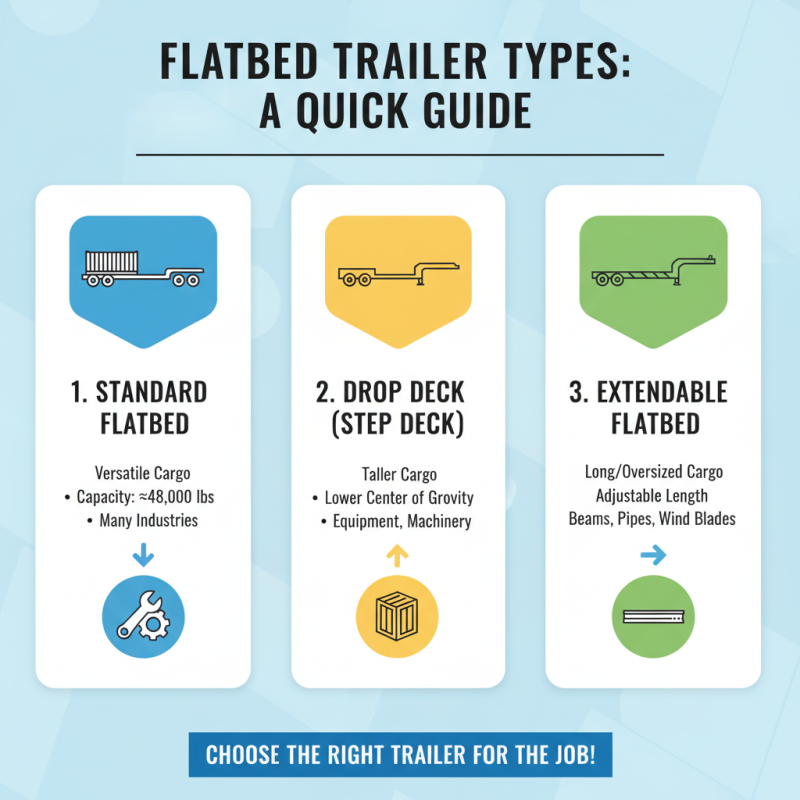
When selecting a flatbed trailer, understanding the various types is essential. Flatbed trailers come in many forms, including standard flatbeds, drop decks, and extendable trailers. Each serves a unique purpose. The standard flatbed can handle a diverse range of cargo, typically offering a weight capacity of around 48,000 pounds. This makes it versatile for many industries.
Drop deck trailers have a lower deck height, which facilitates transporting taller cargo. This type can safely carry loads exceeding 12 feet in height. According to the National Association of Trailer Manufacturers, demand for drop deck trailers increased by 15% in the last year. This growth indicates a shift in market needs; more businesses require specialized trailers for specific cargo.
Extendable trailers, crucial for oversized loads, can expand to accommodate longer freight. They can extend up to 60 feet, making them valuable for transporting machinery and large materials. However, buyers should consider the added weight and complexity of these trailers. Selecting the wrong type can lead to inefficiencies. It's vital to assess your operational needs thoroughly before making a purchase. Factors like loading ease and regulatory requirements also play a significant role in ensuring you choose the right flatbed trailer type.
Assessing your specific hauling needs is crucial before choosing flatbed trailer supplies. Understanding load capacity is essential. According to the North American Flatbed Trailer Market report, the average weight capacity ranges from 10,000 to 30,000 pounds. Knowing your maximum load helps select the right trailer type.
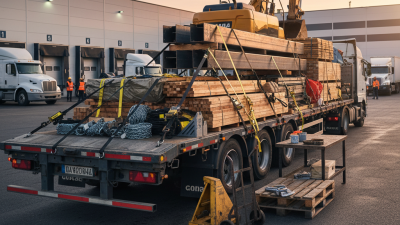
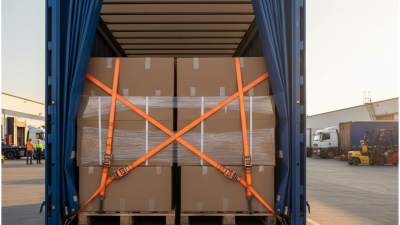
Consider the dimensions of the cargo. A proper fit prevents damage and ensures safe transportation. For example, a load measuring 24 feet may require a trailer of similar length. Reportedly, 40% of freight damage occurs due to inadequate securing mechanisms. Investing in high-quality tie-downs can mitigate this issue.
Weather conditions can impact your choice as well. If you haul in snowy or rainy areas, additional safety features are vital. Some studies suggest that trailers equipped with anti-slip surfaces can reduce accidents by 25%. Regularly reviewing your hauling requirements helps you adapt to changing needs. This reflection process improves your overall logistics strategy. Remember, your needs may evolve, and so should your trailer supplies.
When choosing flatbed trailers, materials and construction quality are vital. Steel and aluminum are popular choices. Steel is sturdy and resistant to wear but heavier. Aluminum offers lightweight benefits but may not support heavy loads as well. Understand the trade-offs. Heavy-duty construction might mean higher costs, yet it ensures safety.
Welding and design also matter. Poor welding can lead to structural issues, compromising safety. Look for excellent craftsmanship in the joints. Furthermore, consider the weight distribution. An unevenly constructed trailer can lead to serious handling problems. Pay attention to details like the frame, flooring, and finish.
Do not overlook the loading capacity. Exceeding the limit can damage the trailer. Look for clear specifications and user testimonials about performance. It's crucial to reflect on your specific needs. How often will you use it? What loads will you carry? These reflections can guide your choice greatly.
| Material | Strength Rating (lbs) | Weight (lbs) | Corrosion Resistance | Price ($) |
|---|---|---|---|---|
| Steel | 7000 | 1800 | Low | 2500 |
| Aluminum | 5000 | 1200 | High | 3500 |
| Composite | 6000 | 1500 | Medium | 3000 |
| Fiberglass | 4000 | 1100 | High | 2800 |
| Galvanized Steel | 7500 | 2000 | Very High | 3500 |
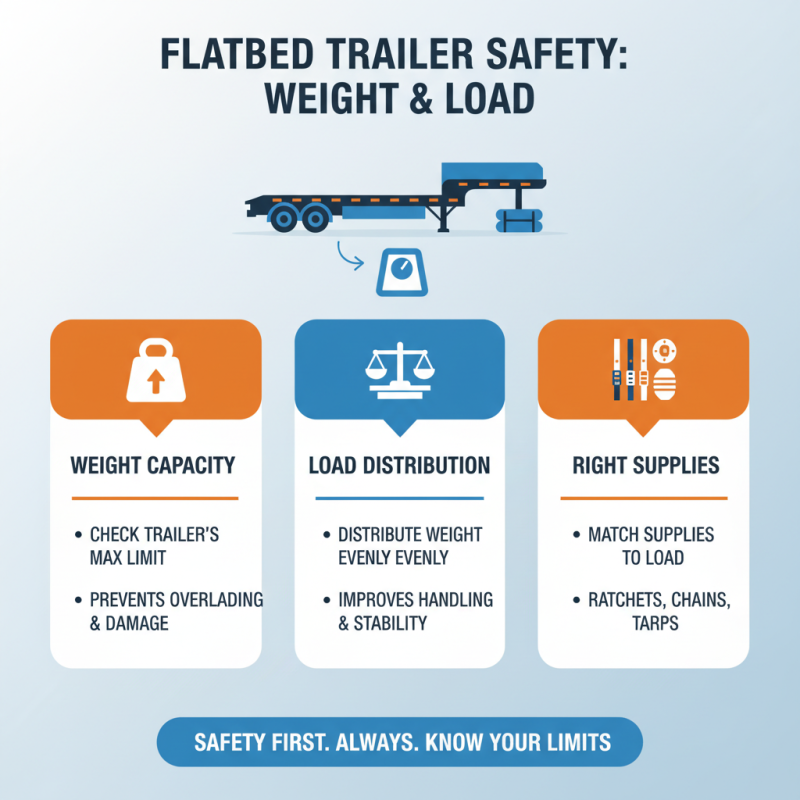
When choosing flatbed trailer supplies, keeping weight capacity and load distribution in mind is essential. Overloading a trailer can lead to safety hazards. It can cause structural damage and make handling difficult. Understanding the weight limit of your trailer helps in selecting the right supplies.
Tip: Always check the manufacturer's specifications. This information is vital for safe operation. If you exceed weight limits, you risk accidents. Learning how to balance the load is crucial for stability.
Load distribution affects how your trailer behaves on the road. Uneven weight can lead to swaying. This movement is dangerous and can affect braking. Use boards or dividers to keep the load steady and secure.
Tip: Regularly inspect your trailer setup. Take time to adjust the load before transport. Reflect on past experiences. They help inform better choices for future trips.
When selecting flatbed trailer supplies, budget options are paramount. A 2022 industry report by the National Trailer Dealers Association notes that nearly 45% of buyers prioritize cost-effectiveness. This tendency reflects the need for reliable equipment without overspending.
Opting for used materials can cut costs significantly. However, scrutiny is vital; worn items may lead to future expenses.
Quality over price remains crucial. Trailers built with lighter materials often come at a lower price point. The downside? They may lack durability. For heavy loads, investing in stronger options is worthwhile. According to a recent survey, 70% of professionals consider material integrity a key factor for long-term savings.
Accessory choices also impact the overall budget. Basic enhancements like tie-downs and tarps are inexpensive but essential. Premium options may promise more but can lead to diminishing returns. Many users overlook maintenance costs, which can add up over time. Ignoring regular upkeep may void savings and affect performance. Choosing the right trailer means balancing immediate costs with future needs.