• Facebook
  • Instagram
  • YouTube
  • Alibaba
Search

How to Choose a Wire Rope Pulling Hoist

Choosing a Wire Rope Pulling Hoist is not simply a matter of selecting the highest rated capacity. The decision affects workers, equipment, and the stability of the entire pulling system. The U.S. Bureau of Labor Statistics reported 5,283 fatal workplace injuries in 2023. Transportation and material-moving occupations accounted for 1,495 of those deaths. These figures do not isolate hoist accidents, but they show why controlled movement deserves serious attention.

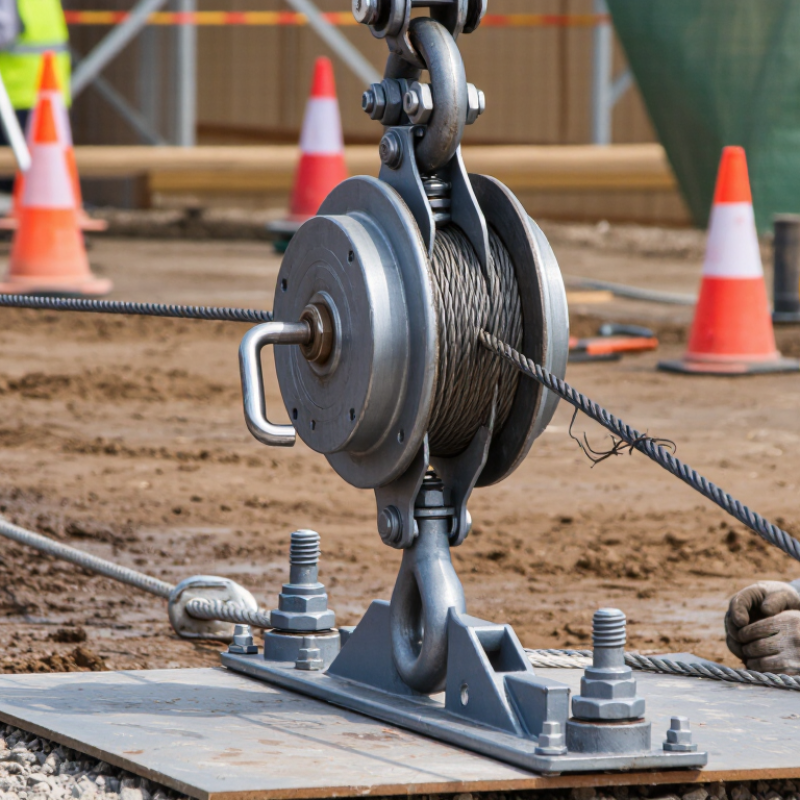
A suitable hoist should match the working load, pulling distance, rope diameter, anchor strength, and expected environment. ASME B30.21 guidance and manufacturer instructions provide useful reference points for inspection, operation, and rated capacity. The Wire Rope Technical Board’s David R. Duerr offers a valuable reminder: “Wire rope is a machine.” That sentence changes how the equipment should be viewed. The rope, drum, fittings, and handle work together. One damaged section can affect the entire system.

Look closely at the worksite. Mud may hide broken wires. A sharp edge may cut into the rope during one sudden pull. An overloaded anchor may shift before the hoist appears to fail. Industry guidance from OSHA and the International Organization for Standardization also emphasizes competent inspection and controlled operation. Still, standards cannot replace judgment. A checklist may be complete, yet the setup may remain poor. That is the uncomfortable part. This guide examines capacity, rope condition, anchoring, portability, maintenance, and operator control, helping buyers choose a Wire Rope Pulling Hoist that fits real working conditions rather than a catalogue assumption.
How to Choose a Wire Rope Pulling Hoist

Define the Job Requirements and Pulling Conditions

Before choosing a wire rope pulling hoist, define the actual job, not just the advertised capacity. Record the load mass, travel distance, slope, starting resistance, and required pulling speed. A flat, rolling load may need less force than a lighter load on a rough incline. Measure it. I have seen site estimates miss hidden friction from damaged wheels, mud, or tight corners. Calculate the steady pulling force, then allow for startup resistance and uneven movement. Do not treat pulling capacity as lifting capacity. The hoist, rope, anchor, and connectors must each suit the expected force. Manufacturer documentation should confirm the rated capacity and operating limits. If the calculation is uncertain, a qualified lifting professional should verify it before work begins.

Pulling conditions can change quickly, so inspect the entire route before selecting equipment. Check for sharp edges, restricted access, overhead hazards, water, grit, heat, and corrosive substances. Keep the rope aligned with the load. Side loading can create dangerous stress and reduce control. Confirm that the anchor point is strong, stable, and positioned in line with the pull. My first checklist looked complete, but it omitted repeated pulling cycles. That was a useful mistake. Frequent operation can heat components and accelerate rope wear. Consider the operator’s position, communication method, visibility, and emergency stopping process. Leave enough space for controlled movement. Stop if the rope kinks, strands separate, the anchor shifts, or the load moves unpredictably. Never improvise with damaged equipment.

Compare Hoist Types, Capacities, and Rope Specifications

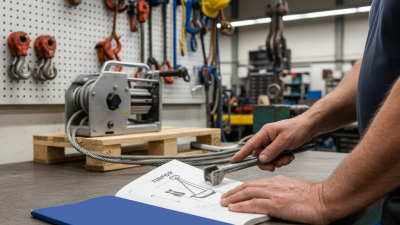
Choosing a wire rope pulling hoist starts with the job, not the catalog photograph. Manual lever hoists suit controlled pulling, tensioning, and positioning in confined areas. Hand winches may offer longer pulls, but they require a stable anchor and careful drum management. For frequent industrial work, a powered model can reduce fatigue, though it demands more inspection and operator training.

Compare rated capacity with the actual load, including friction, slope, shock loading, and pulling angle. The working load limit must remain above the expected force. A 1-ton rating does not guarantee safe performance in every direction. Check the rope diameter, length, construction, and end fitting. Galvanized rope can resist outdoor moisture, while compact or rotation-resistant rope may fit specialized applications. The rope must match the hoist, not merely look similar. I have seen users focus on capacity and overlook rope wear. That mistake can become expensive.

Tips: Inspect broken wires, crushed sections, corrosion, and flattened areas before each use. Keep the rope aligned with the load. Avoid side pulling. Leave enough rope on the drum or anchoring mechanism. Record inspections, but do not treat paperwork as proof of condition. If the load behavior feels unusual, stop and reassess the setup. Manufacturer instructions and applicable workplace requirements should guide final selection.

Check Safety Features, Controls, and Structural Quality

How to Choose a Wire Rope Pulling Hoist

A dependable wire rope pulling hoist should protect people before it protects productivity. Check for a mechanical brake that holds the load when power stops. An overload limiter can reduce damage from excessive tension. A guarded rope path helps prevent crushed fingers and uneven winding. Inspect the hook, latch, and anchor points closely. Small defects matter.

Controls should feel clear, deliberate, and easy to reach. A pendant control needs visible forward and reverse markings. A momentary, dead-man switch can stop movement when the operator releases it. Emergency stopping should not depend on a confusing menu or hidden button. Test the control response before lifting anything.

Delayed stopping is a warning.

Structural quality appears in the details.

Examine welds, side plates, drum alignment, fasteners, and rope grooves. Look for distortion, sharp edges, rust, or fresh paint covering damage. During a hands-on inspection, the frame may look strong while the rope guide sits slightly out of line. That small error can increase wear. I have learned not to trust appearance alone. Review the rated capacity, inspection records, maintenance instructions, and replacement-part guidance. A hoist is only as reliable as its weakest connection. Check the real setup, not just the catalog description.

Match the Hoist to the Worksite and Operating Environment

A wire rope pulling hoist should fit the worksite, not just the load chart. Inspect the ground, access route, anchorage, and available clearance before choosing equipment. Measure the pulling distance, line angle, and expected load resistance. A compact hand-operated hoist may suit a narrow maintenance area. A powered unit may be safer for repeated pulls across a large site. Leave working space around the handle or control station.

The operating environment also changes the right selection. Mud, dust, rain, and salt air can affect the rope, brake, and housing. In cold conditions, lubricants may become less responsive. Heat, chemicals, and confined spaces require additional material and ventilation checks. Use a rope size and rated capacity that match the manufacturer’s instructions, not a rough visual estimate. Check whether the anchorage can withstand the pulling force. The hoist is only as reliable as its weakest connection.

I once focused too heavily on rated capacity and overlooked operator access. The unit was strong enough, but the handle could not move freely beside a steel frame. That choice needed reconsideration. Before work begins, inspect the rope for broken wires, crushing, kinks, and corrosion. Confirm that the hook latch, brake, and locking parts operate correctly. Keep the load aligned with the pulling direction whenever possible. Side loading creates problems quickly. Document inspections and remove damaged equipment from service, even when the defect appears minor.

Verify Maintenance Needs, Compliance, and Total Cost

Choosing a wire rope pulling hoist requires more than checking its rated capacity. Maintenance needs, compliance, and total cost often determine whether the equipment remains dependable.

In field inspections, I look for smooth drum movement, secure hooks, readable warning labels, and undamaged wire rope. Broken strands, crushed sections, or unusual resistance deserve immediate attention.

Small warning signs matter.

Maintenance records should include inspections, lubrication, load testing, and repairs. A qualified technician should follow the service manual and document each finding.

Operators also need practical training, not just a signed attendance sheet. Verify that replacement parts are available and that servicing can be completed without long delays.

A hoist that cannot be maintained easily may create avoidable downtime.

Compliance is not just paperwork. Confirm the hoist’s rated capacity, test certificates, guarding, and inspection frequency against the rules applicable to your worksite.

Keep records accessible for internal reviews and external inspections. Requirements vary by location and application, so vague assurances are not enough.

Ask for clear documentation before purchase.

Total cost includes the purchase price, transport, setup, training, inspections, lubrication, rope replacement, and downtime. A low-priced hoist may become expensive after repeated repairs.

I have seen estimates ignore storage and emergency servicing. That estimate was too optimistic.

Compare realistic operating costs over the equipment’s expected service life. Leave room for unexpected repairs, because even a careful maintenance plan is never perfect.