What Are the Best Curtainsider Internal Straps?
Choosing the best Curtainsider Internal Straps is not simply a matter of comparing prices. Load weight, fabric strength, buckle design, adjustment range, and daily handling all affect performance. A strap that works well for boxed pallets may struggle with steel coils or uneven freight. The details matter.
Cargo-restraint specialist Alan Mercer explains, “The strongest strap still fails when it is fitted poorly or used beyond its intended load.” This practical warning should guide every comparison. Reliable straps need durable webbing, secure stitching, clear capacity markings, and hardware that remains manageable in cold, wet, or dusty conditions. Operators should also inspect abrasion points near side curtains and pallet edges.
No single strap suits every fleet. That is the honest answer. Some buyers may prefer heavy-duty webbing, while others value faster tensioning and lighter handling. Cost can mislead. A cheaper strap may create replacement problems when buckles bend or stitching loosens. An expensive product may also disappoint if its design does not match the trailer layout.
This guide examines Curtainsider Internal Straps through practical use, construction quality, restraint performance, and maintenance needs. It considers the small details that are easy to overlook, including strap storage, operator training, and visible wear. The comparison cannot predict every route or cargo type. Still, it can help fleet managers make a more informed choice and avoid relying on appearance alone. Expect useful answers, but also a few trade-offs.
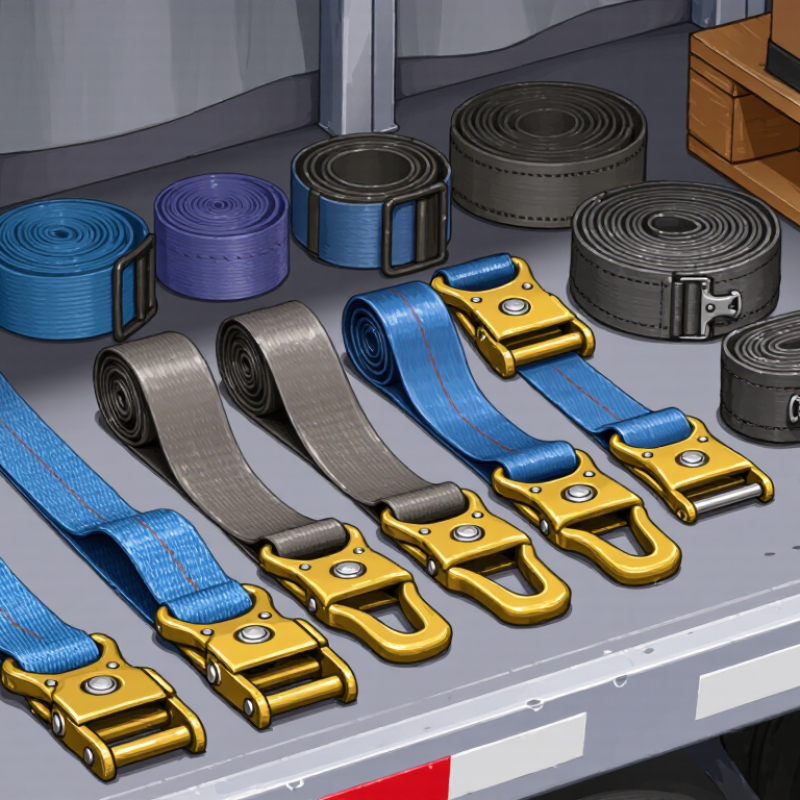
What Curtainsider Internal Straps Are and How They Work
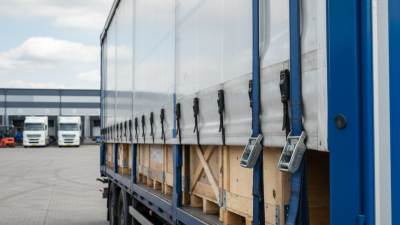
Curtainsider internal straps are webbing restraints fitted inside a curtain-sided trailer. They connect to suitable anchor points, often along the trailer’s internal rails, and pass across or around the load. Once tightened, they help limit movement during braking, cornering, and vibration. They are not the same as the outer curtain, which mainly protects cargo from weather and road spray. A strap can look secure while still being poorly positioned.
The exact setup depends on the trailer, anchor points, cargo shape, and strap rating. Flat, stable items may need a different arrangement from tall or uneven loads. Straps should sit firmly against the cargo without cutting into edges or damaging packaging. Check the webbing, stitching, fittings, and labels before use; fraying or distorted hardware is a warning. Even experienced operators can miss a loose point when loading quickly.
Tips:
Keep straps untwisted, use edge protection where needed, and tension them evenly. Check the load again after a short drive, especially if packaging may settle. Internal straps are useful, but they cannot fix an unstable stack or unsuitable anchor point. The details matter.
Common Types and Materials of Internal Straps
What Are the Best Curtainsider Internal Straps?
Common Types and Materials of Internal Straps
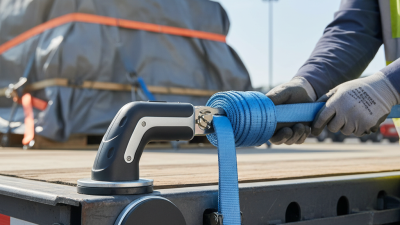
Curtainsider internal straps help hold palletised or loose cargo steady during transport. Ratchet straps are common because their mechanism allows controlled tightening and a firm hold. Cam-buckle straps are quicker to adjust, but usually suit lighter loads. Choose a type that matches the cargo, anchor points, and restraint plan—not just the strap that feels strongest.
Webbing is often made from polyester. It stretches relatively little and handles damp conditions well, which helps keep tension more consistent. Polypropylene webbing may suit lighter-duty use, though its capacity and durability vary. Check the strap’s label and rated capacity rather than judging by width or colour. Ratchets and hooks are commonly steel; inspect for rust, cracks, and bent parts. Small defects matter.
Fit matters too. A strap that is too short may sit at a poor angle, while excess webbing can snag or loosen. Look for cuts, fraying, damaged stitching, and worn labels before use. Replace questionable straps. A strap can look fine at a glance and still be tired; I would not treat appearance as proof of strength. Internal straps also work best as part of a suitable cargo-restraint setup, not as a substitute for one.
Key Factors for Choosing Curtainsider Internal Straps
Choosing the best curtainsider internal straps starts with the cargo, not the strap label. I assess load weight, package shape, edge pressure, and movement risk. A narrow webbing strap may suit boxed goods, while heavy pallets need wider webbing and stronger rated fittings. The best strap is not always the strongest. It must match the trailer’s anchor points and the stated working load limit.
Material quality matters during real loading. Polyester webbing resists stretch and usually handles moisture well. Look for clean stitching, protected edges, and hooks that seat fully without twisting. A strap should lie flat against the load. Dirt, oil, and sharp pallet corners can reduce performance. Edge protectors are simple, but often forgotten. They help prevent cutting during braking and vibration.
I also check usability. If workers avoid a difficult buckle, the restraint system has failed in practice. Choose a length that reaches the anchor without excess webbing dragging on the floor. Inspect straps before every trip for frays, burns, crushed stitching, or distorted hardware. Replace damaged parts, even when the damage looks minor. This point deserves honesty: visual checks cannot reveal every weakness. For unusual cargo or high-risk routes, confirm the restraint plan with a qualified specialist and follow applicable transport requirements. A short trial load can reveal problems before a long journey.
How to Use and Secure Internal Straps Correctly
What Are the Best Curtainsider Internal Straps?
How to Use and Secure Internal Straps Correctly
Curtainsider internal straps help stabilize palletized freight during transport. The best strap is not simply the strongest one. It must match the load, anchor points, and vehicle design. Choose durable webbing with clear capacity markings. Inspect every strap for cuts, frayed stitching, heat damage, or stretched sections before use. Small defects can worsen under vibration.
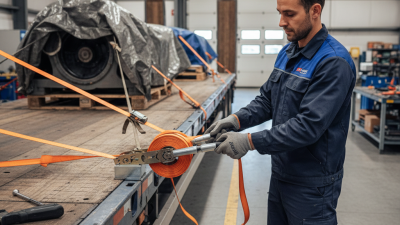
Position each strap across the load at a suitable height. Keep it flat against the cargo, without twists or sharp bends. Attach both ends to approved internal anchor points. Pull the strap tight, then use the tensioning device gradually. The load should feel secure, but excessive force may crush cartons or damage packaging. Add edge protection where straps contact corners.
I check the load from both sides.
Place heavier freight low and distribute weight evenly. Straps should support the load, not compensate for poor stacking. Leave no loose loops near doors, wheels, or moving equipment. After a short distance, stop in a safe location and check tension again. Vibration can settle pallets and create slack. I once trusted a strap that looked acceptable, but its stitching was weakening underneath the dirt. That mistake changed my inspection routine. Clean straps are easier to assess. Follow the vehicle manufacturer’s instructions and applicable cargo-securement requirements. When the load changes, review the restraint plan instead of relying on habit.
How to Inspect and Maintain Internal Straps for Safety
Internal straps are critical when checking curtainsider safety. The curtain itself is usually weather protection, not a dependable load restraint. Straps must hold freight against movement, especially during braking, cornering, and uneven road travel.
The UK Health and Safety Executive reports that workplace transport causes about 25% of fatal workplace injuries in Great Britain. That figure gives routine checks real importance. Inspect each strap before loading. Look for cuts, frayed edges, stretched webbing, heat damage, oil stains, and broken stitching. Check buckles, tensioners, anchor points, and end fittings. A clean strap can still be unsafe. Small damage deserves attention.
Tips: Keep straps dry, clean, and away from sharp pallet edges. Use edge protection where needed. Confirm the strap’s marked capacity suits the cargo and restraint method. Never rely on curtain tension alone unless the body is specifically rated for load restraint under EN 12642. The FMCSA Large Truck Crash Causation Study identified cargo-related problems as contributing factors in heavy-truck crashes, reinforcing the value of disciplined securing practices. Replace questionable equipment, even when damage seems minor. Record inspections, but do not treat paperwork as proof of condition. I would rather reject one uncertain strap than discover its weakness on a roundabout. Recheck tension after the first short drive, because freight can settle and loosen restraint.
What Are the Best Curtainsider Internal Straps?
The best internal straps are correctly rated, free from cuts, abrasion, chemical damage, heat glazing, stretched webbing, and damaged stitching. Inspect them before every journey and after any impact, overload, or sudden load movement.
The chart shows practical inspection triggers for curtainsider internal straps. “Immediate” means the strap should be checked before the vehicle is moved. Any strap with serious cuts, melted fibres, damaged stitching, a defective tensioner, or a damaged anchorage should be removed from service and replaced according to the applicable load-restraint requirements.